Schedule Your On-Site Fence Estimate Contact Form
Wenonah is a lake-centered borough where drainage, trees, and close residential spacing shape outdoor construction. Homes near Wenonah Lake and along Mantua Creek often sit on shaded lots with mature root systems and subtle grade changes. In this setting, placement matters. A fence cannot block natural water flow. A deck must sit flush and not encroach on neighboring property lines. Tri-State Fence & Deck starts Wenonah projects with careful planning. They focus on layout, drainage, and designs that consider neighbors.

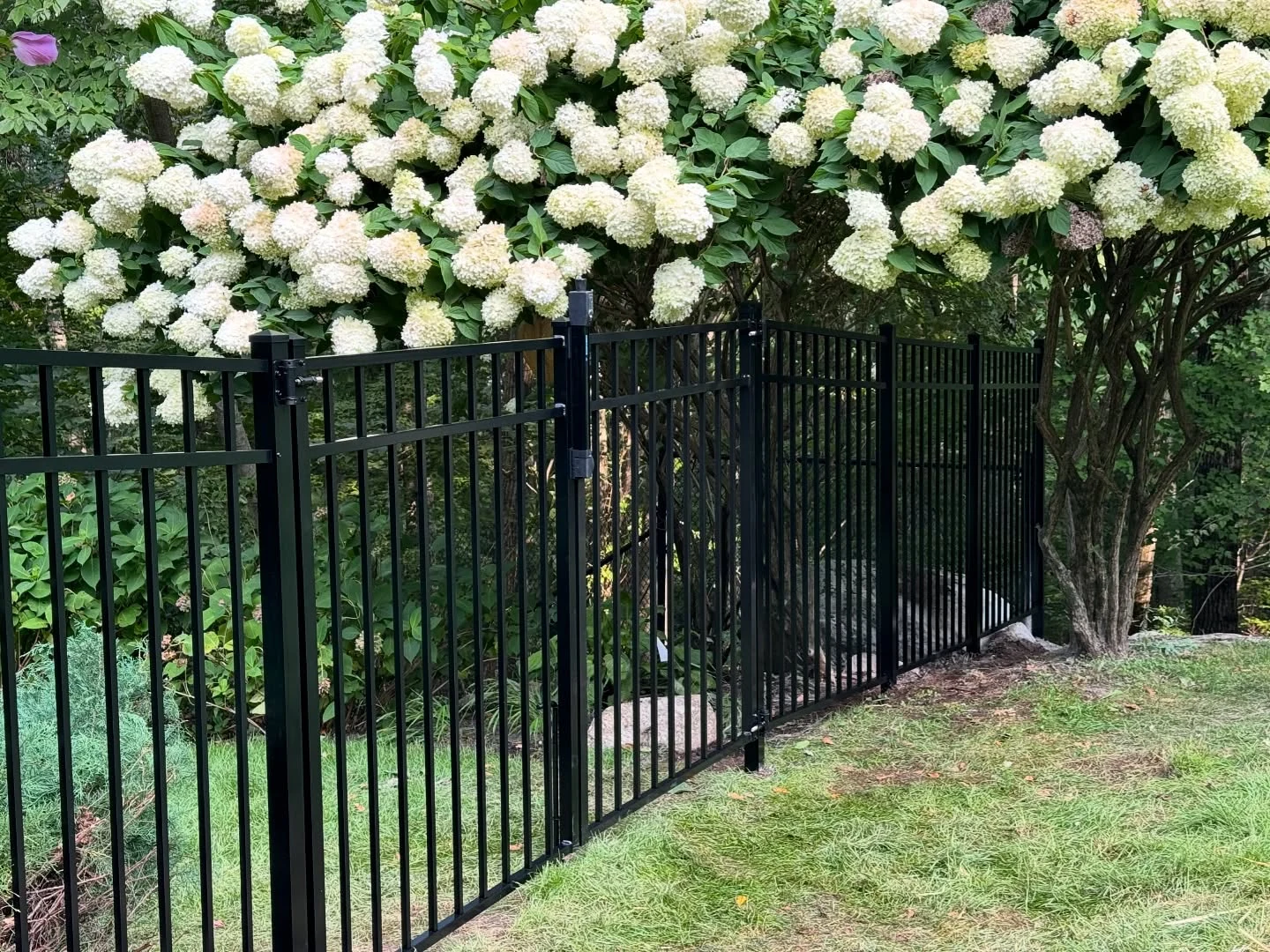
In Wenonah, outdoor structures must comply with drainage requirements, tree coverage, and close residential spacing. Homes near Wenonah Lake and along wooded streets often require careful placement to avoid blocking surface water or encroaching on neighboring property lines.
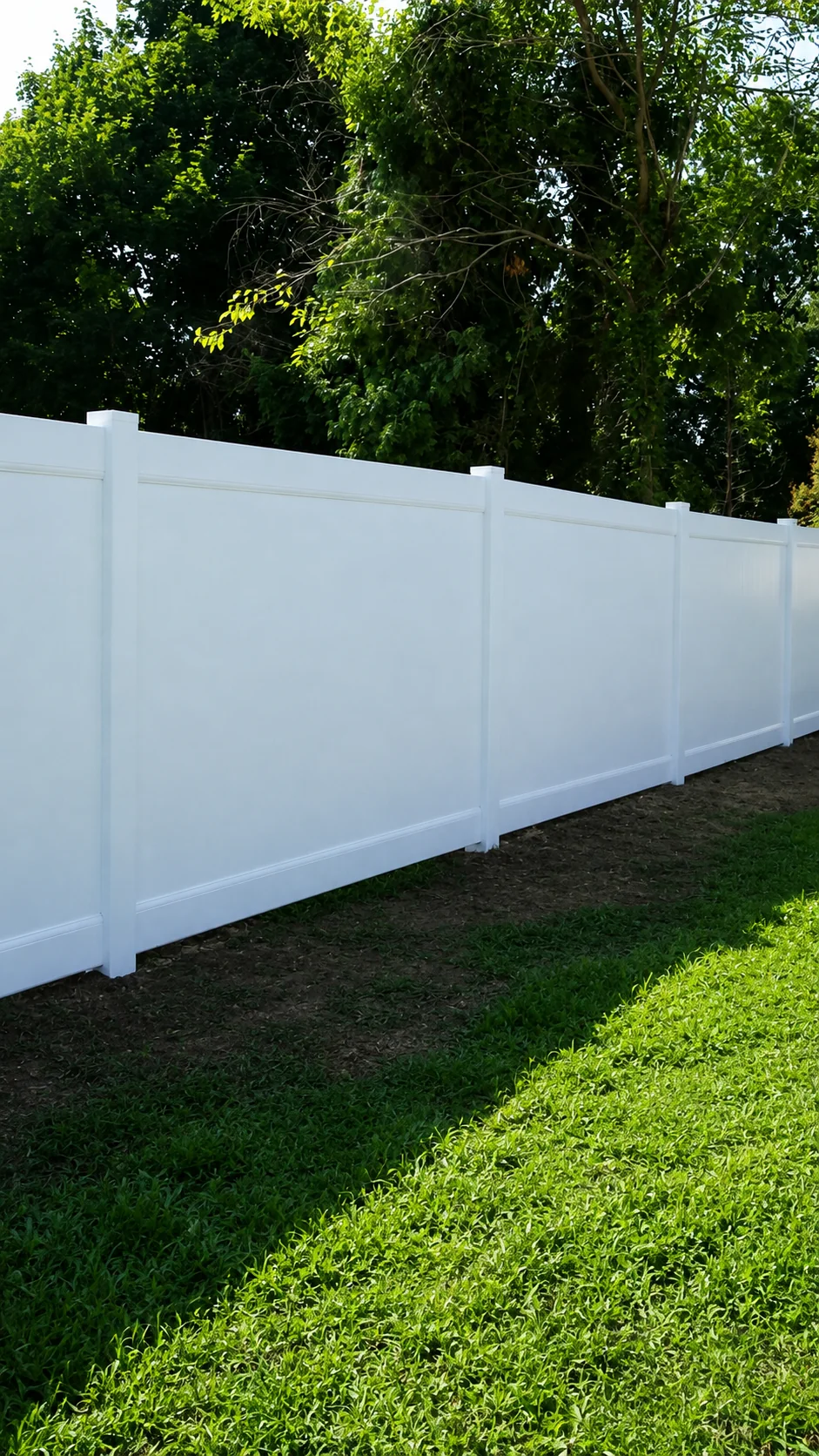
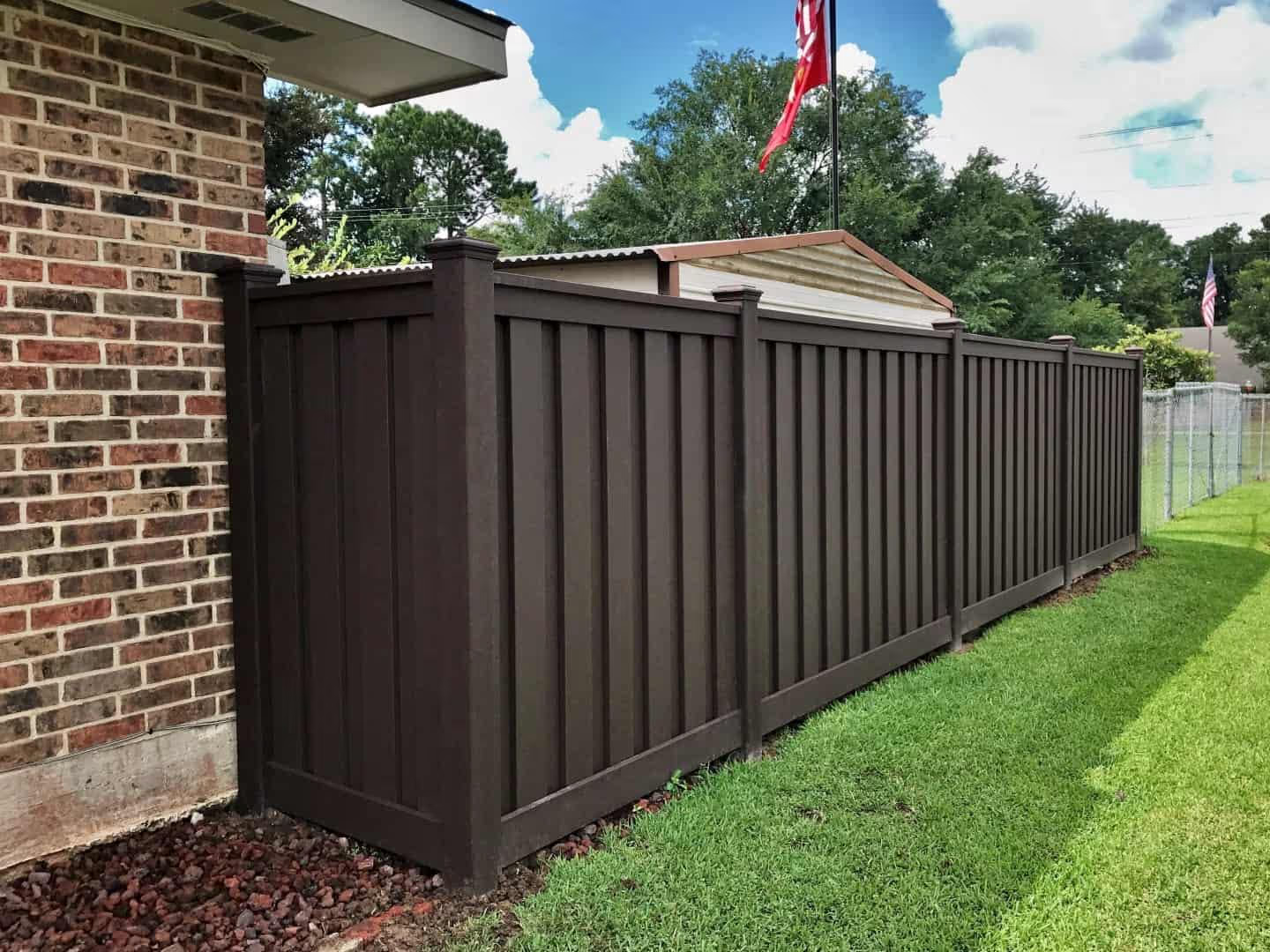
Transform your property with premium vinyl fencing, designed for strength and low maintenance, vinyl fences provide lasting style and dependable performance.
Used on rear and side yards where privacy is needed without restricting natural drainage. The layout must account for borough rules and existing lot lines.
Explore Vinyl Fences
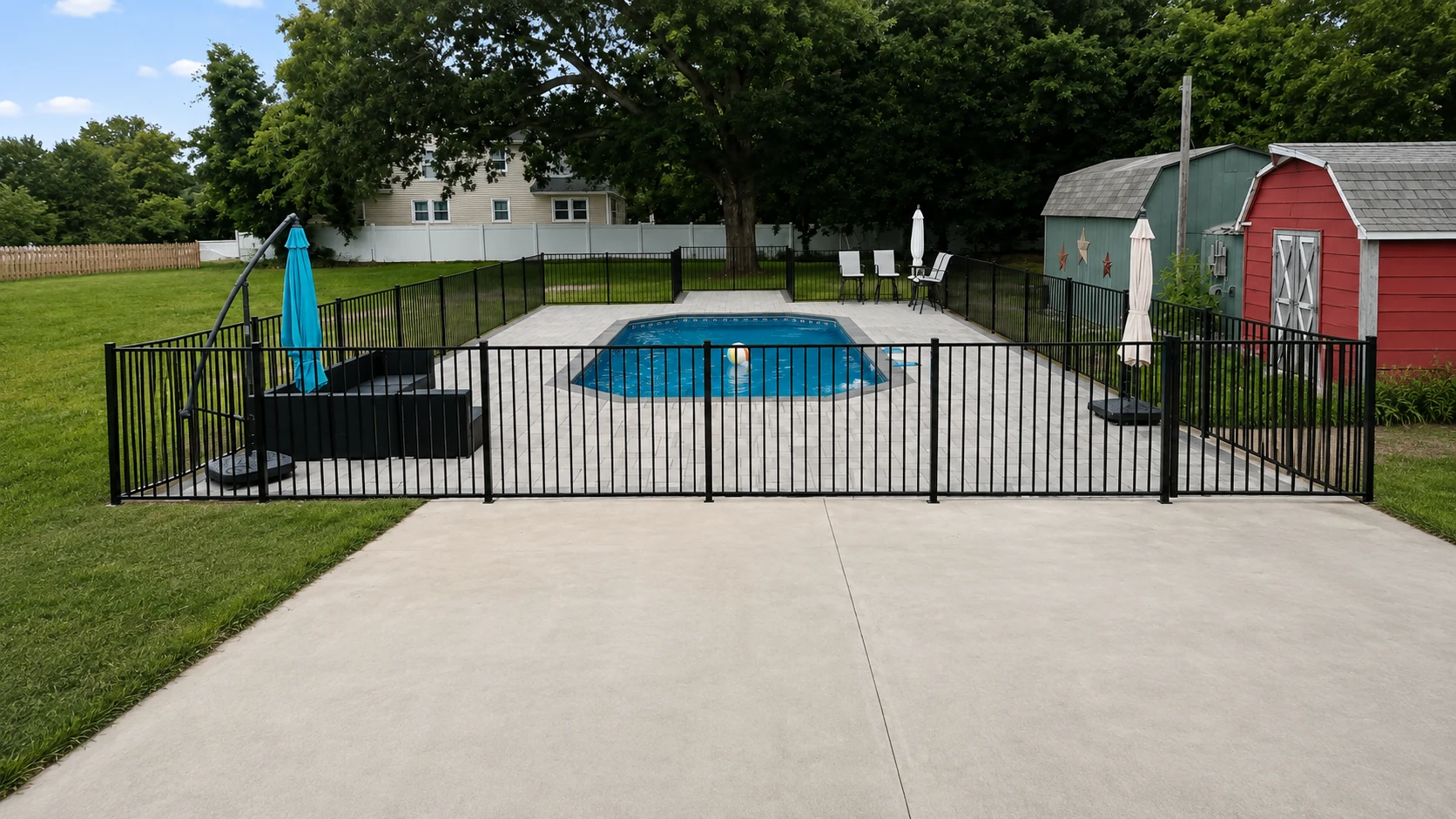
Enhance your property’s appeal and protection with a durable, rust-resistant aluminum fencing. Its elegant, open design works well in residential and commercial settings.
Often selected in areas where openness matters. Open-style panels support airflow and visibility while meeting local spacing and drainage expectations.
Explore Aluminum Fences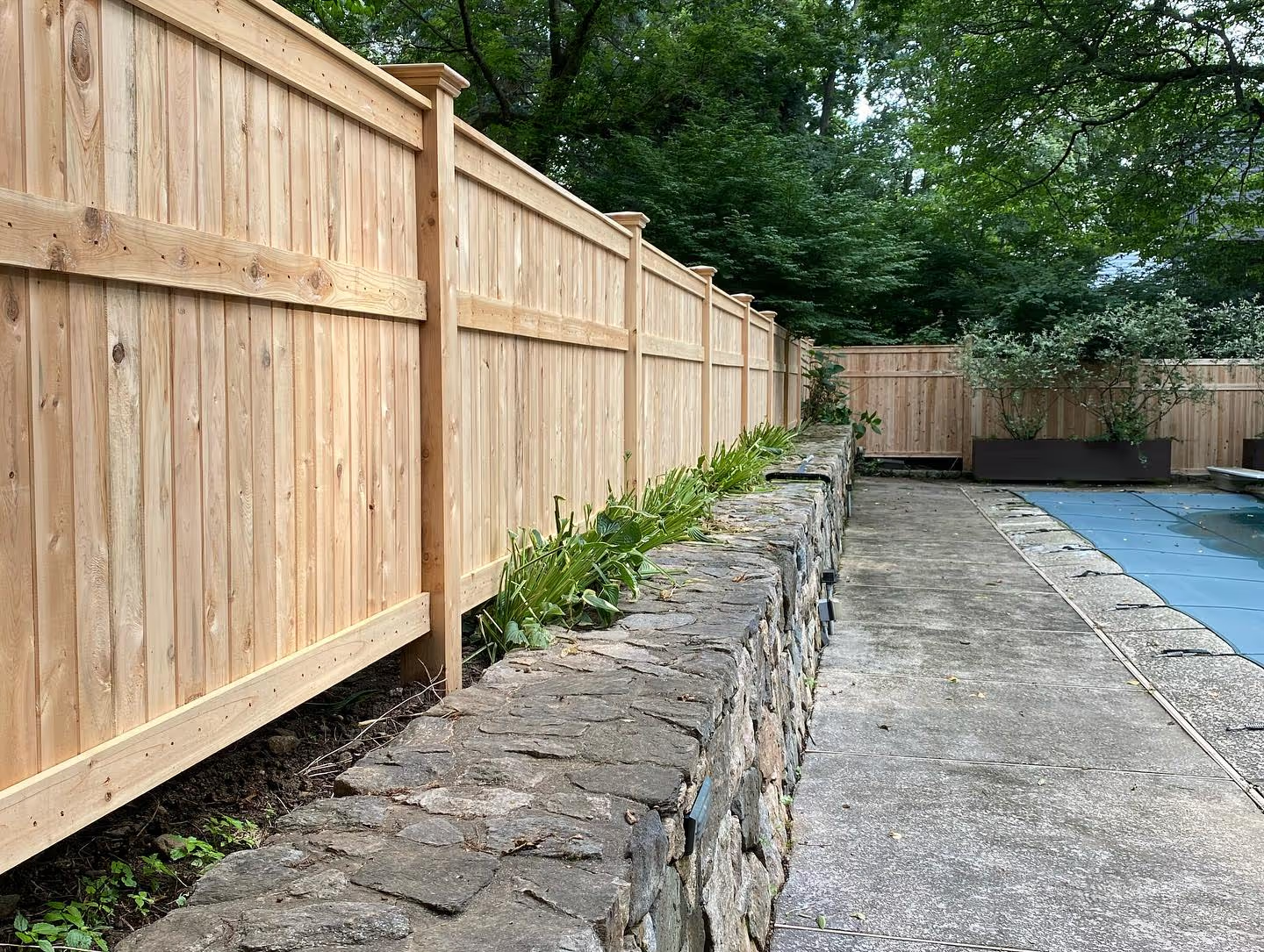
Enhance your property’s appeal and protection with a durable, rust-resistant aluminum fencing. Its elegant, open design works well in residential and commercial settings.
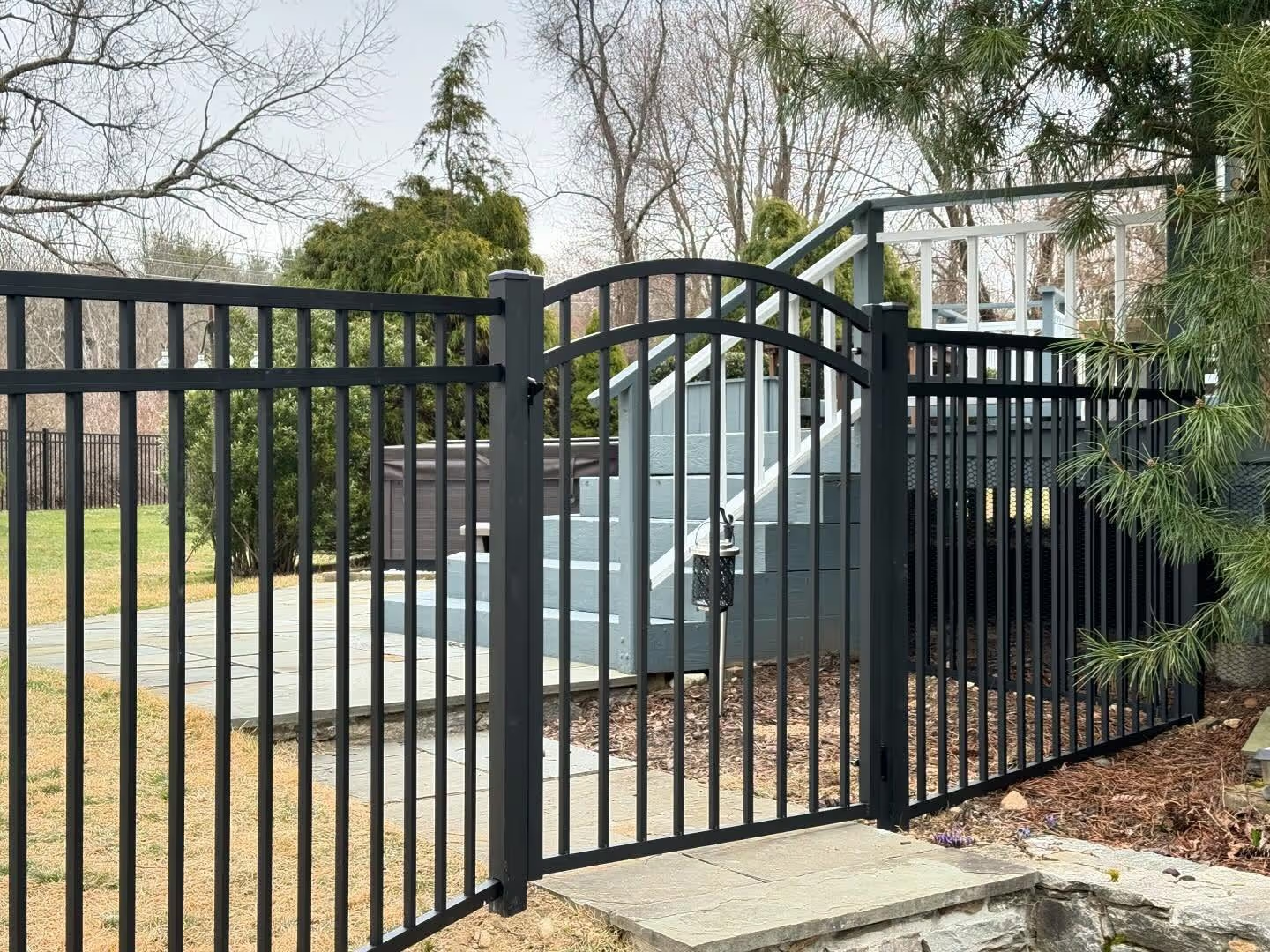
Enhance your property’s appeal and protection with a durable, rust-resistant aluminum fencing. Its elegant, open design works well in residential and commercial settings.

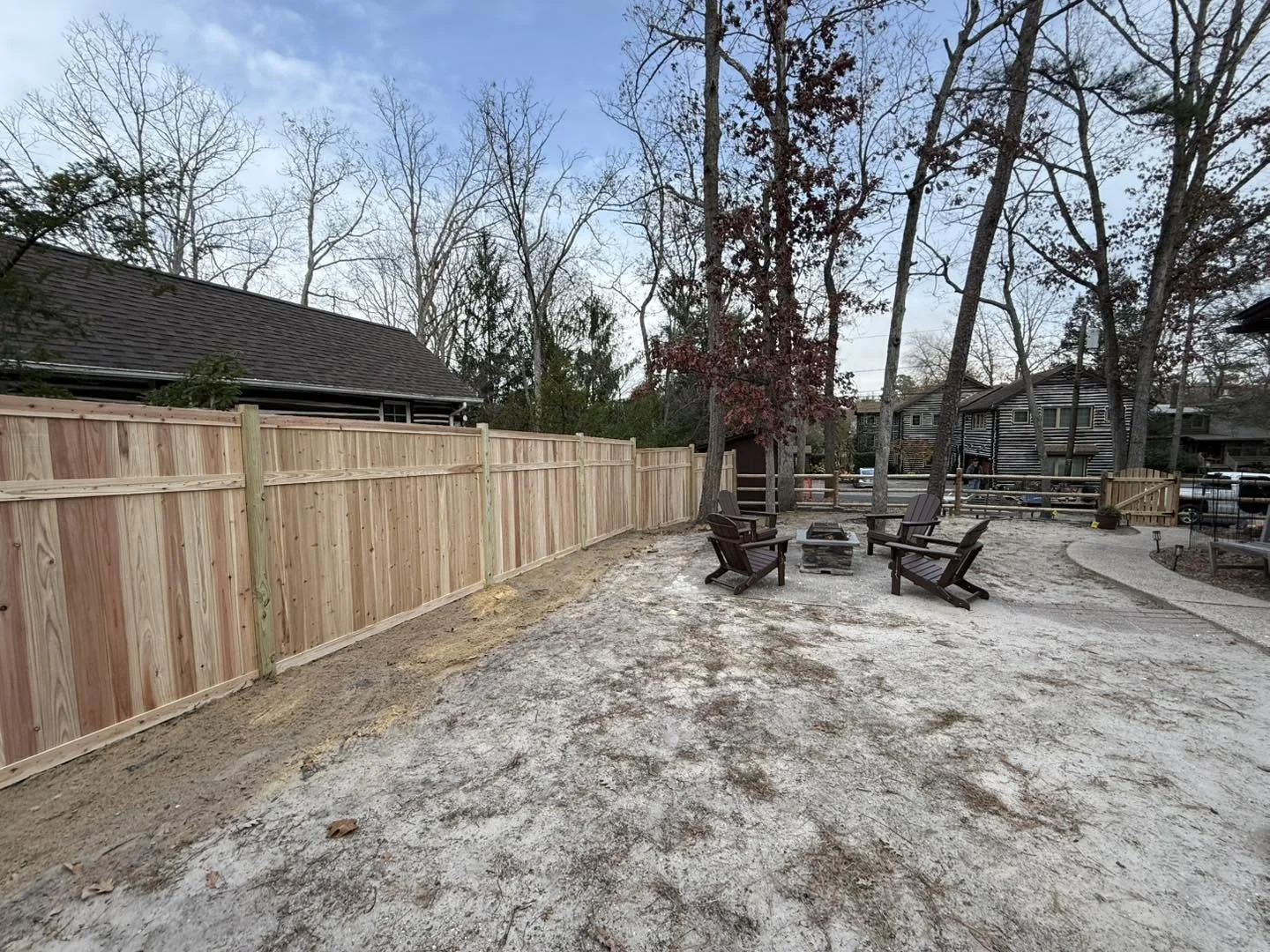
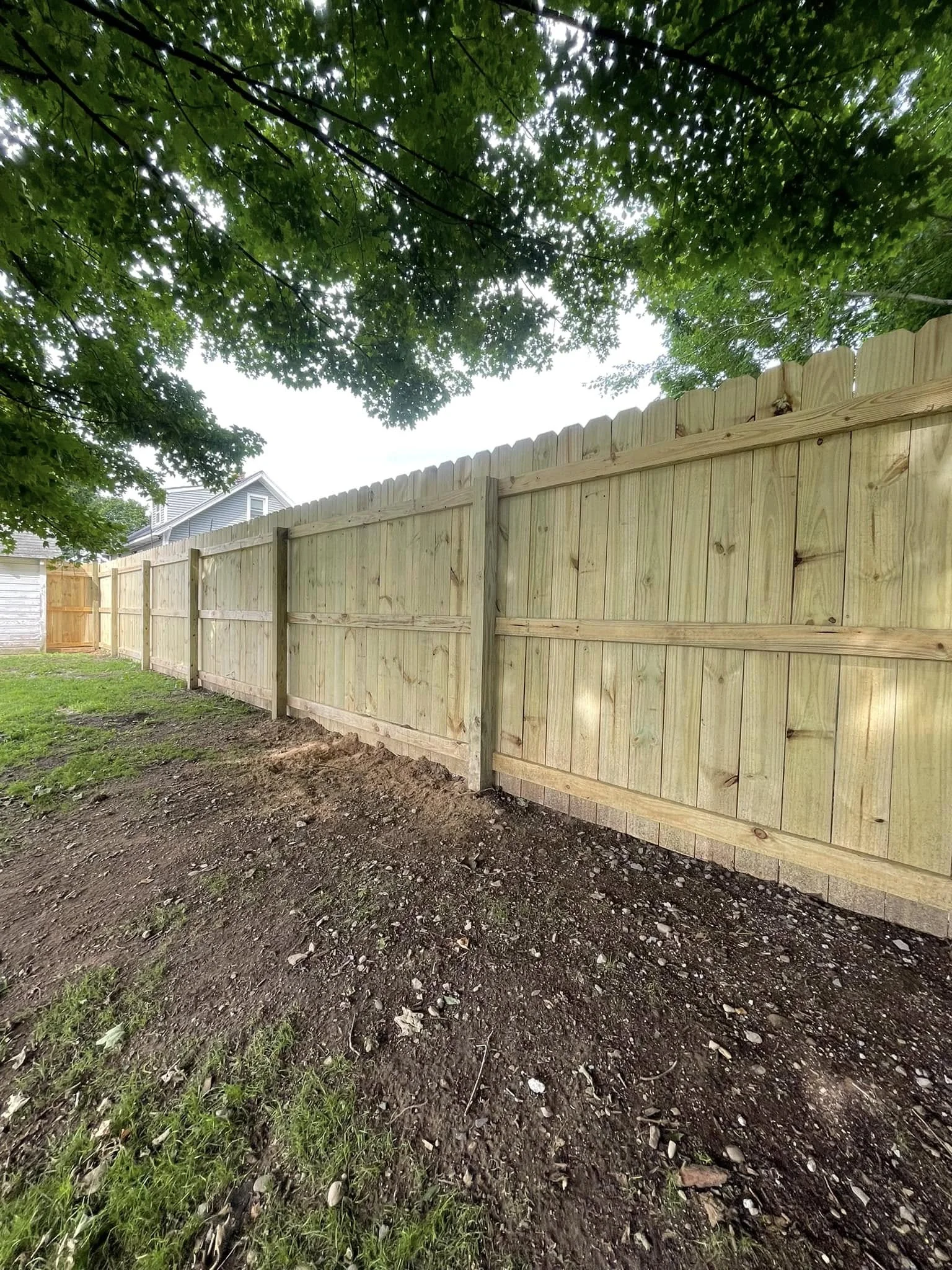
Prefer the natural warmth of wood? We specialize in custom wood fence installations, built from quality cedar or pine for long-term beauty and value.
Wood suits shaded, tree-lined parcels common throughout Wenonah. Careful post placement helps avoid root disruption and uneven ground.
Explore Wood Fences
For a practical, cost-effective option, chain link fences deliver reliable security and versatility for homes, schools, and businesses.

Ideal for large or agricultural properties, ranch-style fences—including split rail and board rail—combine strength, function, and a timeless rural look.

Add convenience and security with custom automatic gates. Sliding or swinging systems feature reliable access control and automation.
Enhance your property’s appeal and protection with a durable, rust-resistant aluminum fencing. Its elegant, open design works well in residential and commercial settings.
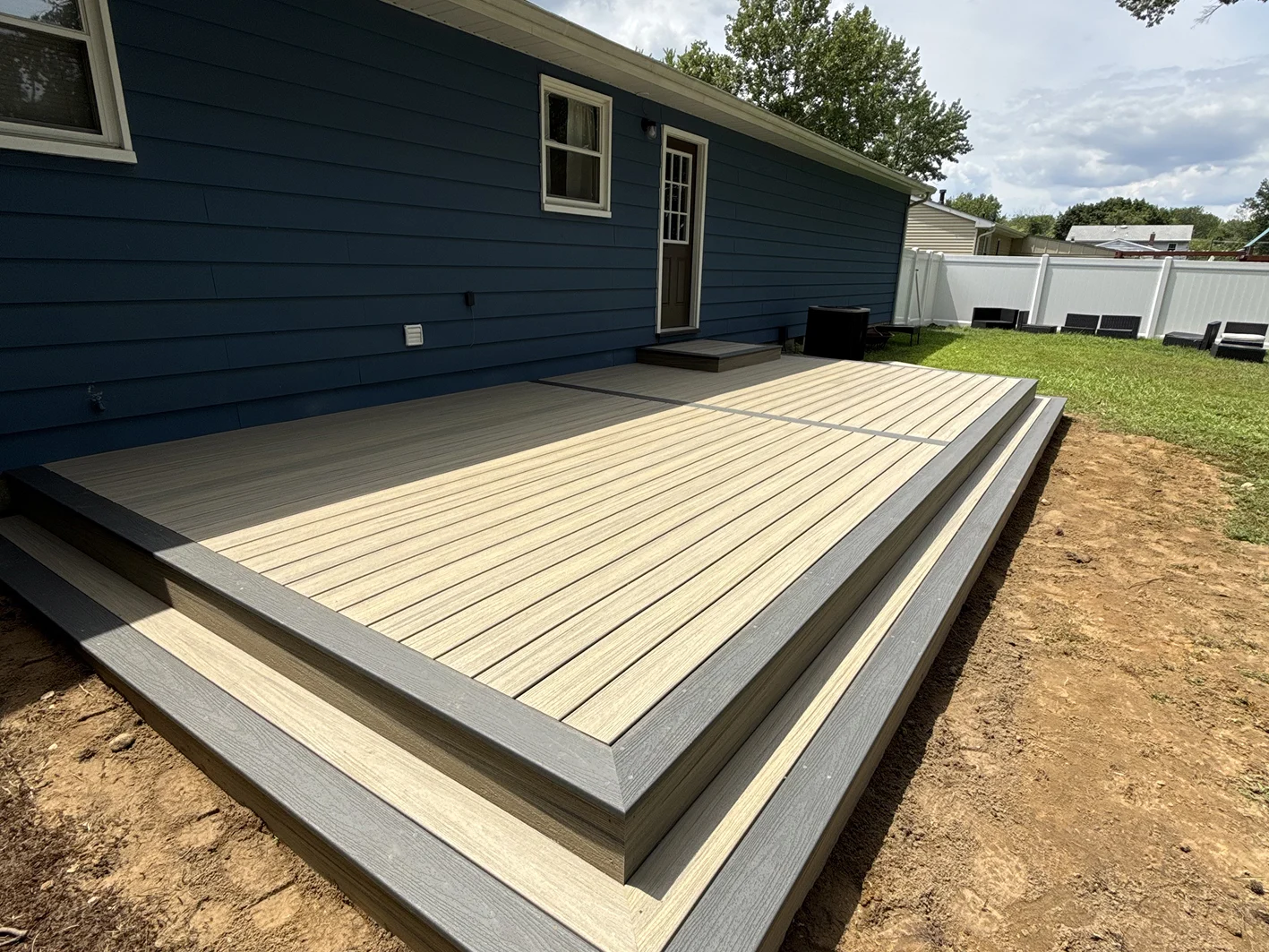
Deck projects must account for runoff patterns and tight lot spacing. Proper footing placement prevents interference with water movement across the yard.
Explore Deck Installation & Replacement.avif)
See examples of our recent projects

%202.png)
Built for Local Conditions
Fence performance changes by region—what works in Georgia doesn’t always last in South Jersey.Our designs are engineered around South Jersey’s coastal humidity, clay-heavy soil, and freeze-thaw cycles.
Local design considerations we plan for:
%2019.jpg)
Soil type and drainage grade
%2025.jpg)
Coastal humidity and salt-air corrosion
%2029.jpg)
HOA or township height limits
HOA or township height limits
%2028.jpg)
Pool enclosure safety regulations

Wenonah is a compact borough shaped by wooded lots, surface water movement, and close residential spacing. Our installation standards focus on protecting drainage patterns, respecting property boundaries, and reinforcing structures to perform long-term in this setting.
Local design considerations we plan for:
Drainage-Conscious Fence Layout
Property-Line Alignment Control
Open-Style Front-Yard Planning
Root-Aware Post Placement
Wind-Resistant Gate Reinforcement
Fence and deck permits for properties in Wenonah are processed through the Mantua Township Construction Office under a shared services agreement with the Borough of Wenonah. Most fence projects require zoning approval before installation begins.
Fence height and placement must follow borough zoning rules.
Deck construction requires zoning approval and a construction permit. This applies especially when the deck is attached to the home or raised above grade. All work must comply with the New Jersey Uniform Construction Code for structural safety and footing depth.
Swimming pools must be enclosed with code-compliant barriers. This includes minimum height standards and self-closing, self-latching gates.
Every Tri-State Fence & Deck project follows the standards required by South Jersey township and county codes—from post depth and frost line clearance to concrete set times and gate spacing.
Our crews follow a structured checklist developed over 20 years of regional experience to ensure your fence or deck passes inspection and stands the test of time.
What defines our craftsmanship:
Posts set to South Jersey frost depth (typically 30"–36" minimum, depending on township)
Concrete mixed and cured per ASTM fence-post standards.
Vinyl and aluminum rails reinforced with steel or aluminum inserts where required.
Deck framing built with weather-rated fasteners and NJ-approved joist spacing
Site cleanup and gate alignment were verified before the customer walkthrough.


Site and Drainage Review
We assess lot lines, grade, and natural water flow. Special attention is given to surface drainage and root systems, which are common throughout the borough.

Permit and Placement Confirmation
We confirm zoning requirements and coordinate permit processing through Mantua Township when required. Fence placement is reviewed to ensure compliance with property boundaries and visibility standards.
Installation and Final Check
Posts are set at the proper depth, panels are aligned, and gates are reinforced. A final inspection confirms stability, drainage clearance, and clean boundary alignment.
Are you looking for a partner to help you take your outdoor aspirations from dream to reality? Contact us today, and we will be in touch soon to help you get started with the initial details.
✓ Open Today | 7 AM–5 PM 📞 (484) 532-4655 — Same-day estimates available 📍 Serving: Elk Township, Clayton, Glassboro, Harrison Twp, South Harrison Twp, Upper Pittsgrove
Properties in Wenonah are often located near Wenonah Lake or along the watershed that connects to Mantua Creek. Surface water must continue to move naturally across these lots. Fences placed without drainage gaps can cause pooling or runoff issues.
Many homes are surrounded by mature trees. Root systems and shaded ground conditions can affect post stability. Some yards slope gently toward creeks or wooded areas.
Material selection and footing depth should reflect these conditions to support long-term performance.

%2013.png)
%2016.png)
