Fence and pool installations planned for coastal homes, rentals, and seasonal use.
%203.png)
%205.png)
%201.png)

Life here in Cape May County, New Jersey, runs on the tide and the season. In towns like Ocean City, Avalon, and Stone Harbor, homes are typically set close to the street, near the water, and often elevated above grade. Salt air wears on hardware over time. Wind shifts gates if posts are not set correctly.
Many properties also serve as summer rentals. That means pool barriers must function properly, latches must close reliably, and installations need to pass township review before peak season begins.
Tri-State Fence & Deck plans each project with those realities in mind—shore exposure, architectural expectations, and how the home is actually used throughout the year.

Projects across Cape May County vary by elevation, exposure, lot size, and architectural review. Select your town to see what’s commonly built and how location influences design.

Salt air, close lots, architectural review
Floodplain awareness, larger parcels, mixed density

Homes in Ocean City, Avalon, and Stone Harbor are often elevated, set back from the street, and near open water. Fences and gates must work with raised foundations, stairs, and narrow lot lines while still looking appropriate for the neighborhood.
Salt air and steady wind wear on exposed hardware over time. Clean lines, reliable latches, and stable post setting matter here as much as appearance. In areas such as Middle Township and Lower Township, drainage and flood-prone conditions can affect layout and footing depth.
Tri-State Fence & Deck plans every project with both performance and aesthetics in mind. This way, installations fit the property and last through the seasons.
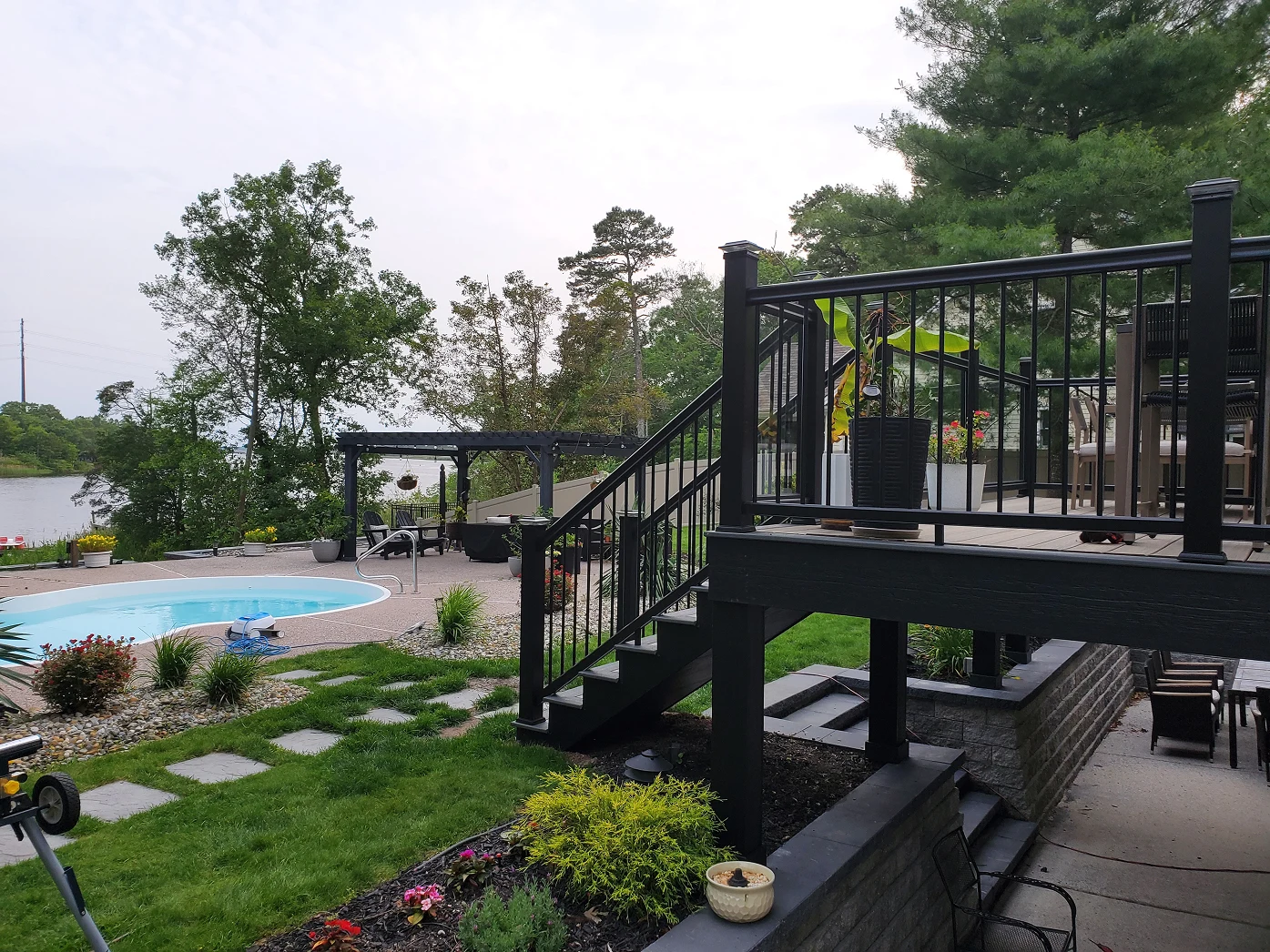

Local zoning and construction offices review fences, decks, pool barriers, pergolas, and gates. Most projects require zoning approvals for setbacks, height, and lot coverage, as well as a construction permit under the New Jersey Uniform Construction Code. Applications typically include a property survey and material specifications. Completed work is inspected to confirm compliance with the approved plans.
Practical Note: Always confirm requirements with your local township, city, or borough before starting. Coastal and historic areas often involve additional review. Proper permitting protects safety, compliance, and long-term property value.
Project Highlights
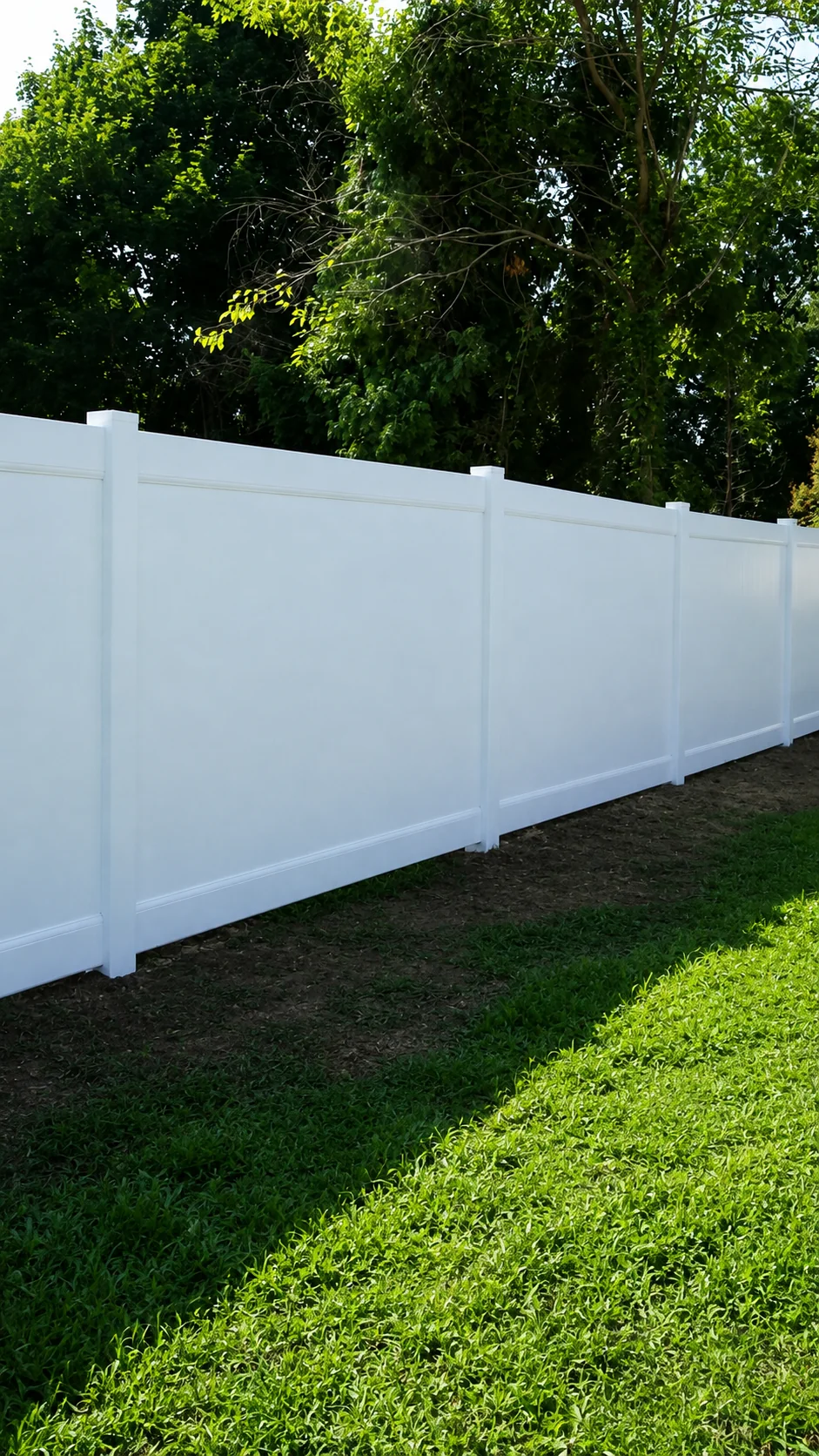


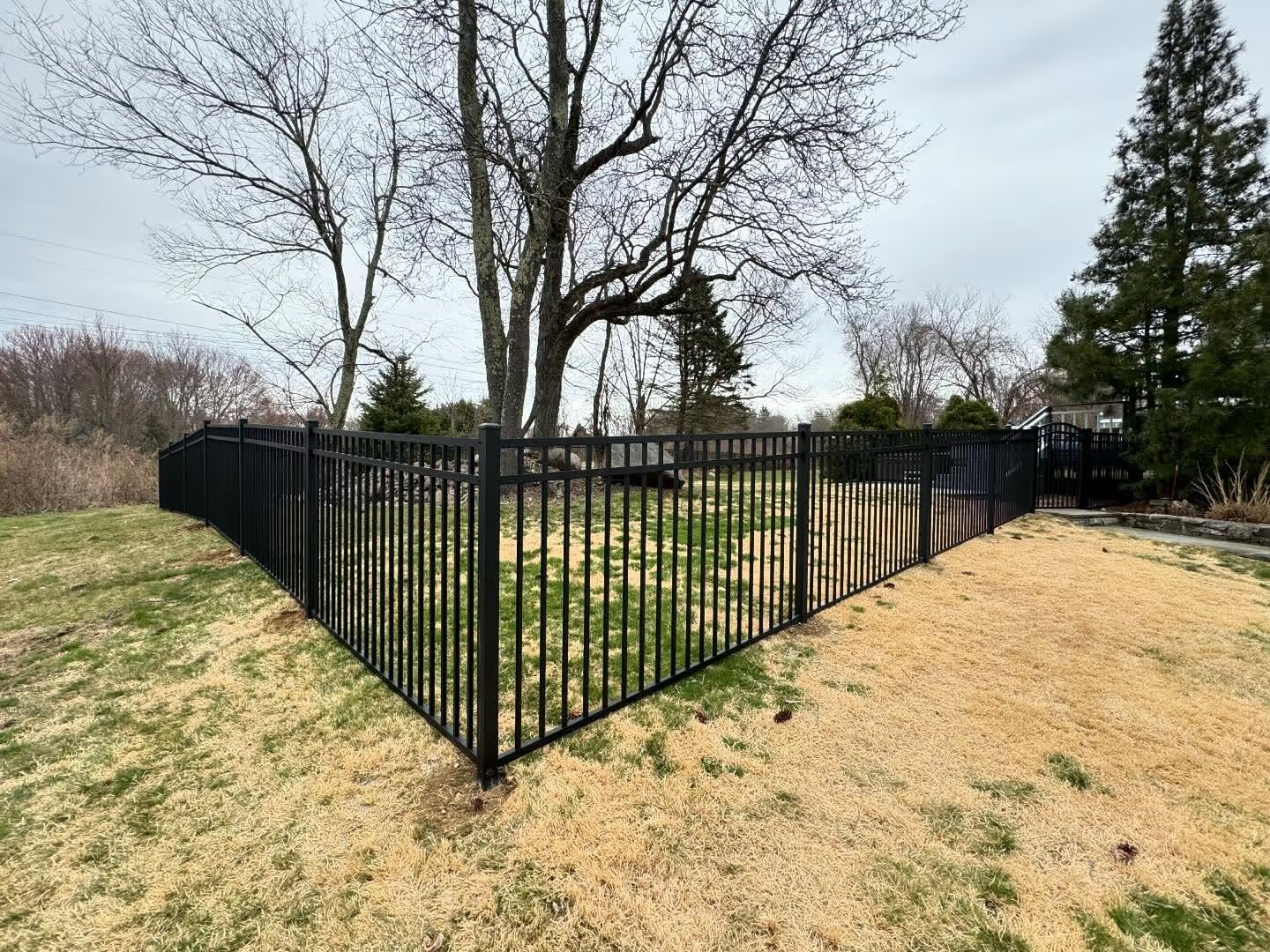
20+ Years Serving South Jersey Shore Communities
Projects reflect coastal exposure, elevated homes, and seasonal use across Cape May County.
Licensed, Insured, and Code-Compliant
Fully licensed in New Jersey (License #13VH13604500). Work follows local zoning and the New Jersey Uniform Construction Code.
Planned for Architectural and Flood Review
Projects in Cape May, Ocean City, and Avalon are coordinated around design and floodplain considerations.
3-Year Workmanship Warranty
Covers structural installation, posts, framing, and build quality in wind-exposed coastal environments.
One Team From Estimate to Inspection
Layout, documentation, and installation are coordinated to reduce delays during municipal review and final inspection.
In addition to projects across Cape May County, Tri-State Fence & Deck also works in parts of Atlantic County, Cumberland County, and southern Gloucester County when project scope and municipal requirements are a good fit.
Are you looking for a partner to help you turn your outdoor aspirations into reality? Contact us today, and we will be in touch soon to help you get started with the initial details.
