Built for wooded lots, sandy soil conditions, and local zoning requirements.
Medford Township, located in the Pine Barrens, features wooded lots and sandy soil, impacting outdoor structures. Many homes border tree lines or open spaces near Wharton State Forest, making drainage, wind movement, and soil stability crucial. Fence and deck projects start with a zoning review and a precise site layout. Sandy ground can shift if posts aren't properly set, and water flow must adhere to natural grade. Tri-State Fence & Deck considers soil conditions and township requirements during planning.

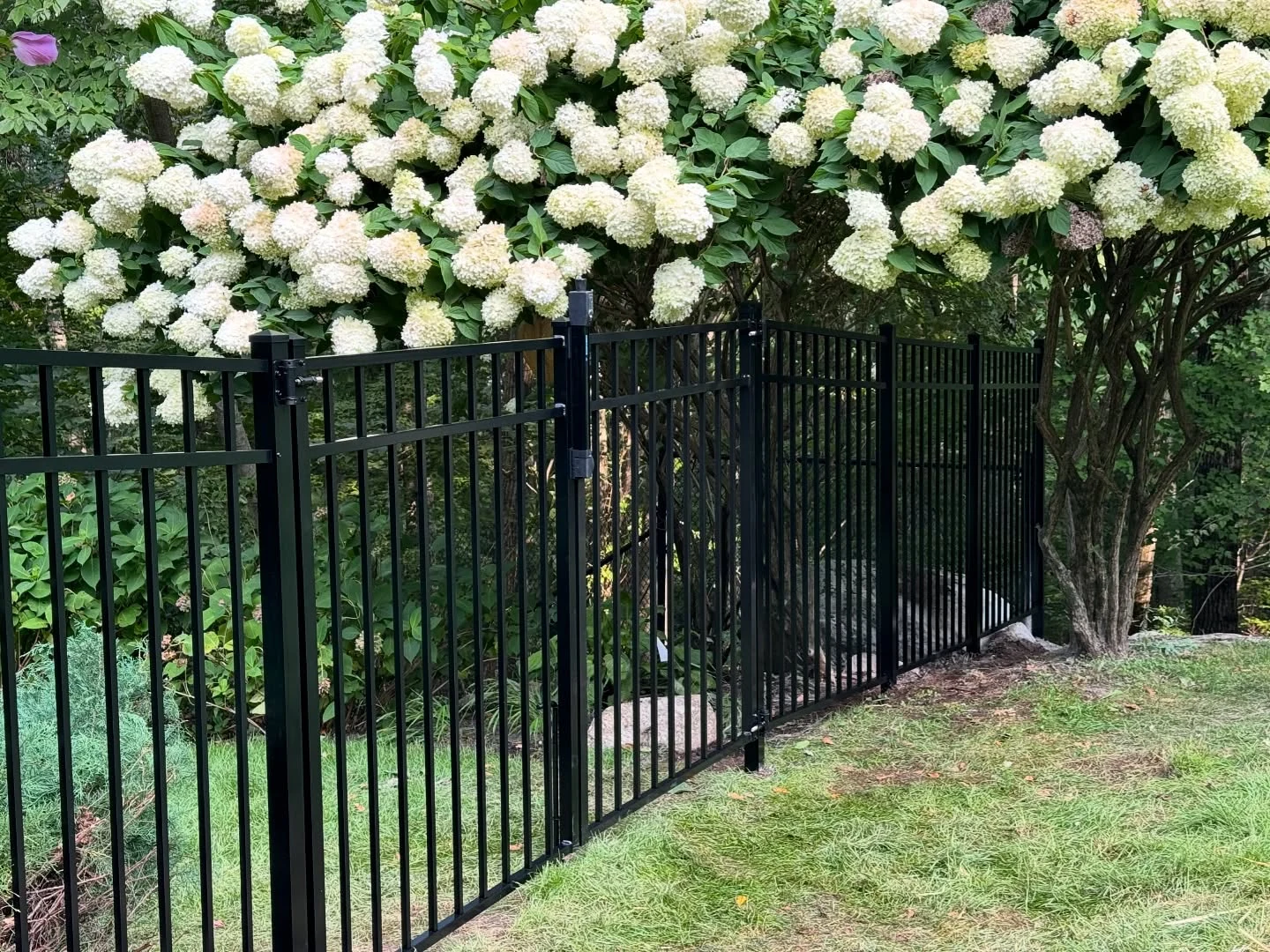
In wooded neighborhoods and along the edge of preserved land, projects focus on privacy, durability, and site stability. Many properties sit on sandy soil within the Pine Barrens, where drainage and wind exposure shape material choice. Homeowners prioritize long-term performance over appearance alone.
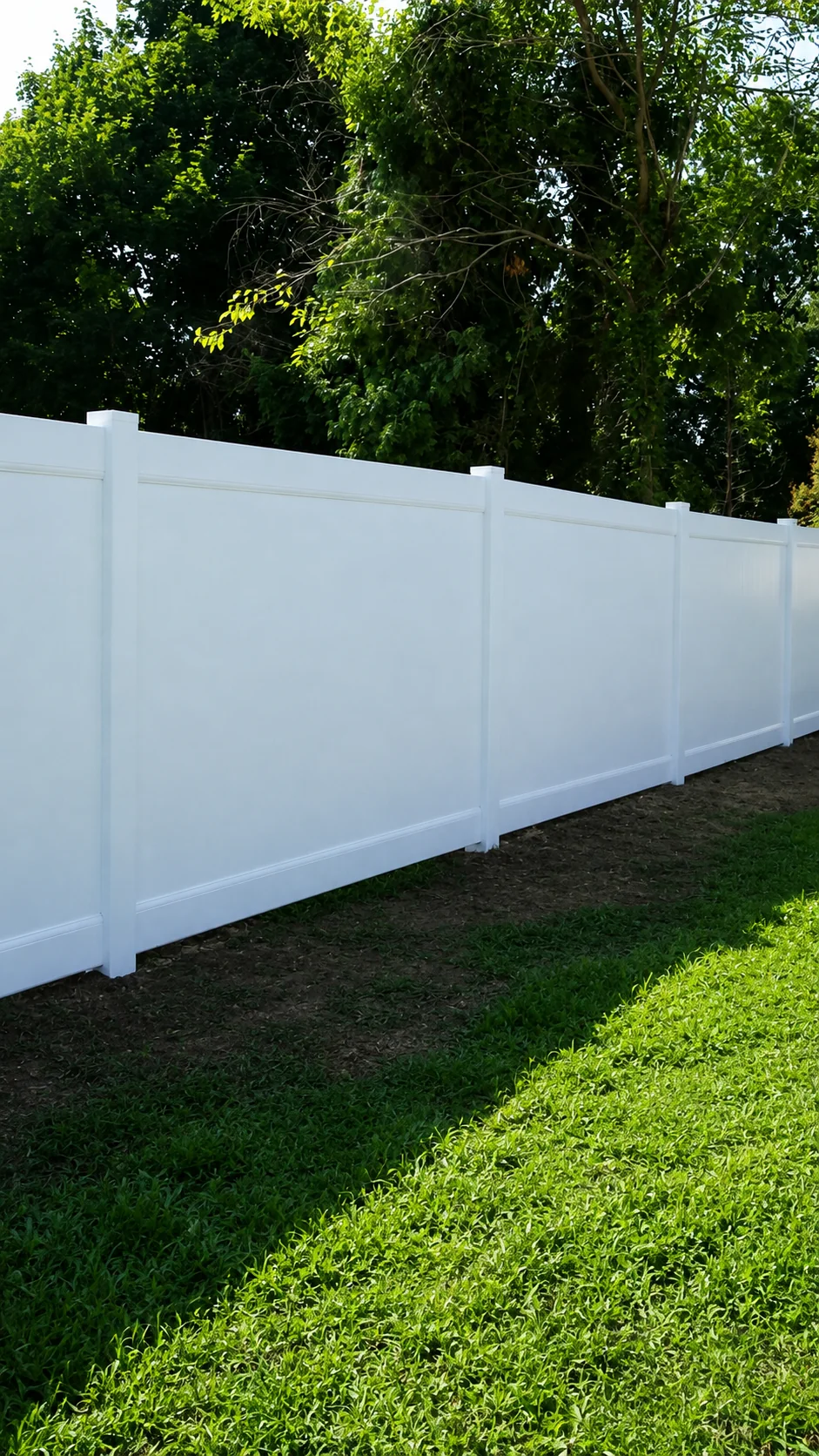
Transform your property with premium vinyl fencing, designed for strength and low maintenance, vinyl fences provide lasting style and dependable performance.
Vinyl is common on shaded lots, where moisture and organic debris can accelerate wood wear. It offers consistent privacy while reducing maintenance in damp, tree-lined yards.
Explore Vinyl Fences
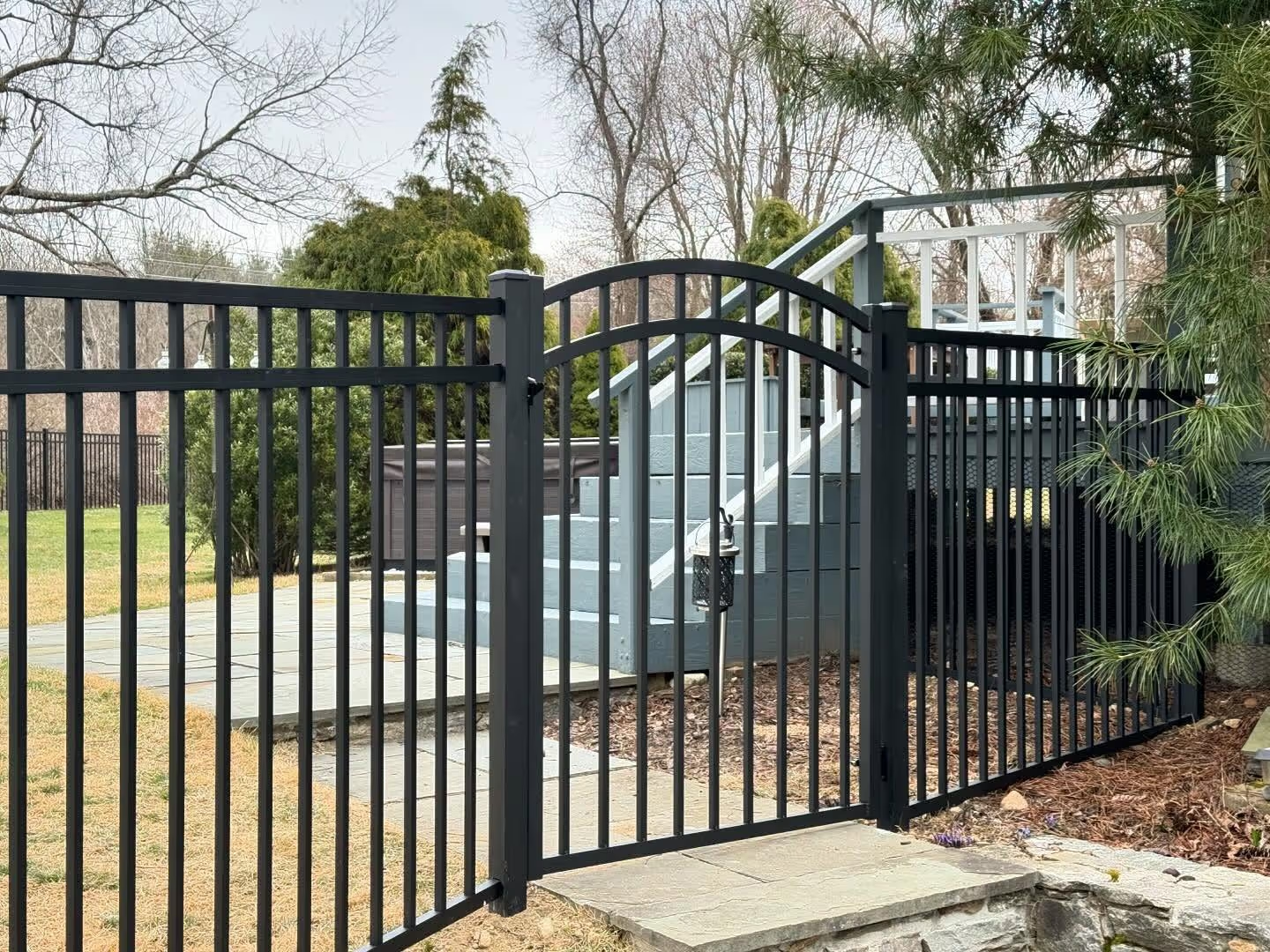
Enhance your property’s appeal and protection with a durable, rust-resistant aluminum fencing. Its elegant, open design works well in residential and commercial settings.
Used around pools and along visible frontages, aluminum provides durability without blocking natural views. It performs well in sandy soil when posts are properly anchored.
Explore Aluminum Fences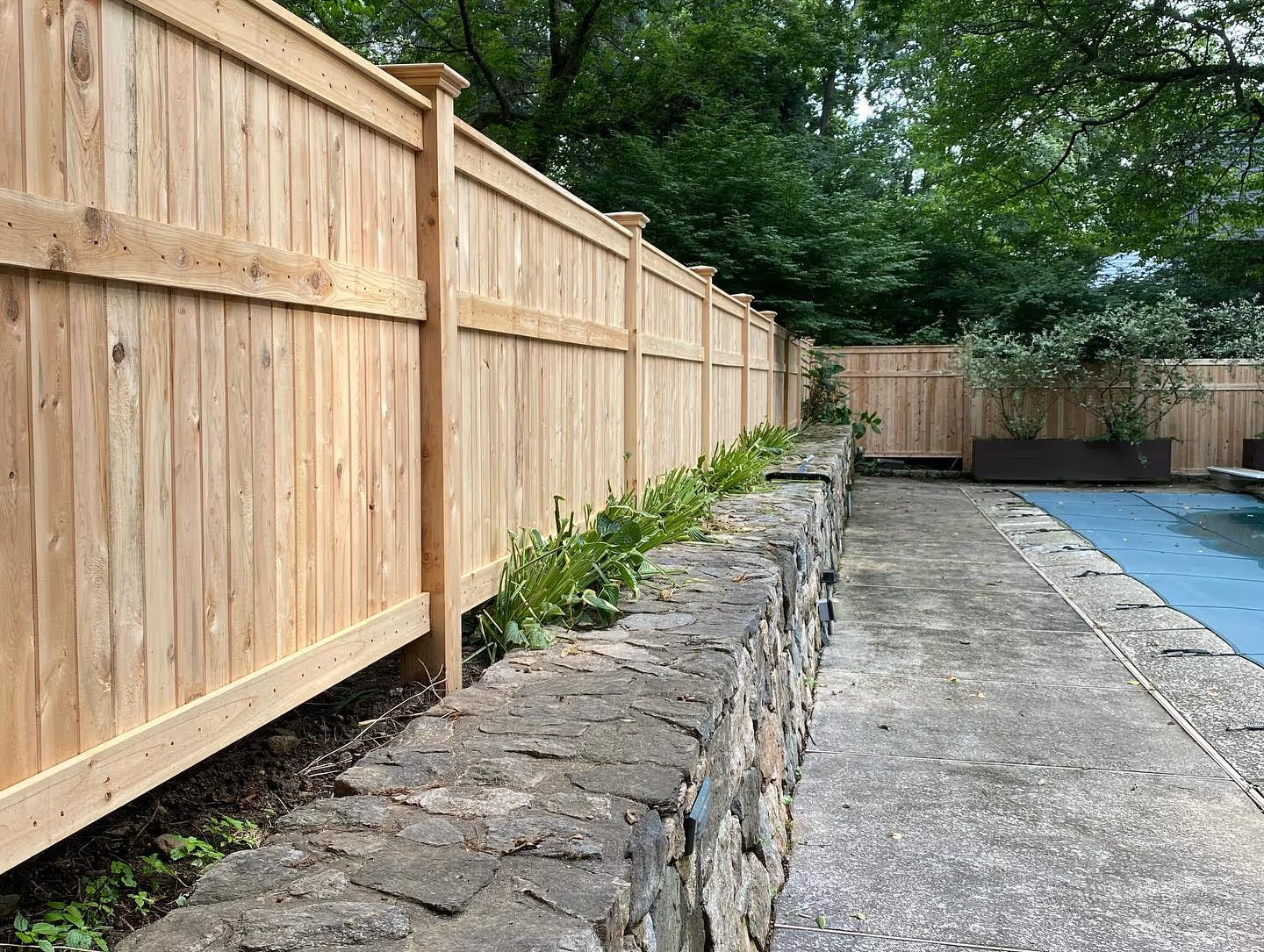
Enhance your property’s appeal and protection with a durable, rust-resistant aluminum fencing. Its elegant, open design works well in residential and commercial settings.
Enhance your property’s appeal and protection with a durable, rust-resistant aluminum fencing. Its elegant, open design works well in residential and commercial settings.

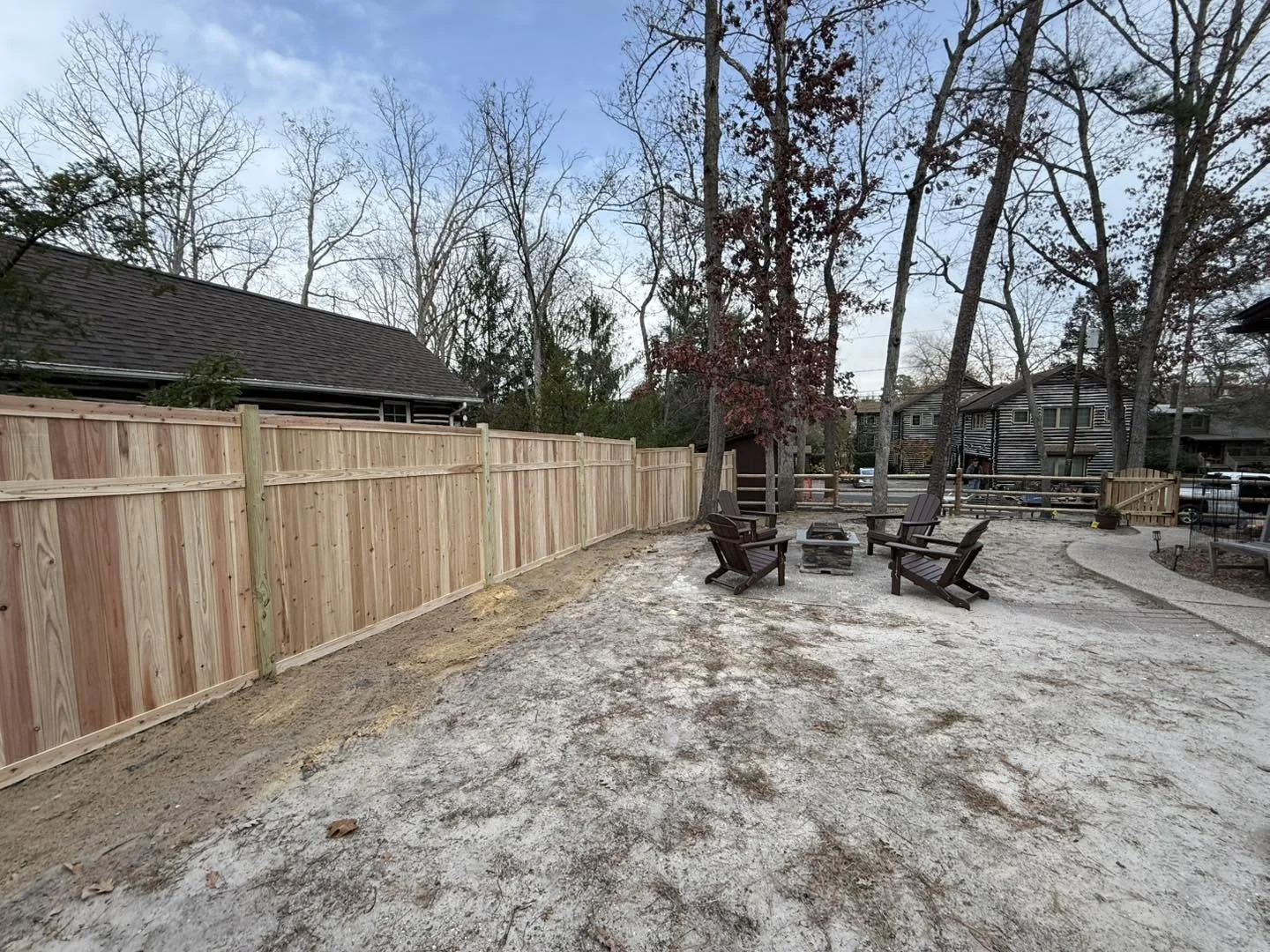
Prefer the natural warmth of wood? We specialize in custom wood fence installations, built from quality cedar or pine for long-term beauty and value.
Still chosen for natural aesthetics, especially on wooded parcels. Proper sealing and ground clearance are critical in areas with variable moisture levels.
Explore Wood Fences
For a practical, cost-effective option, chain link fences deliver reliable security and versatility for homes, schools, and businesses.

Ideal for large or agricultural properties, ranch-style fences—including split rail and board rail—combine strength, function, and a timeless rural look.

Add convenience and security with custom automatic gates. Sliding or swinging systems feature reliable access control and automation.
Enhance your property’s appeal and protection with a durable, rust-resistant aluminum fencing. Its elegant, open design works well in residential and commercial settings.
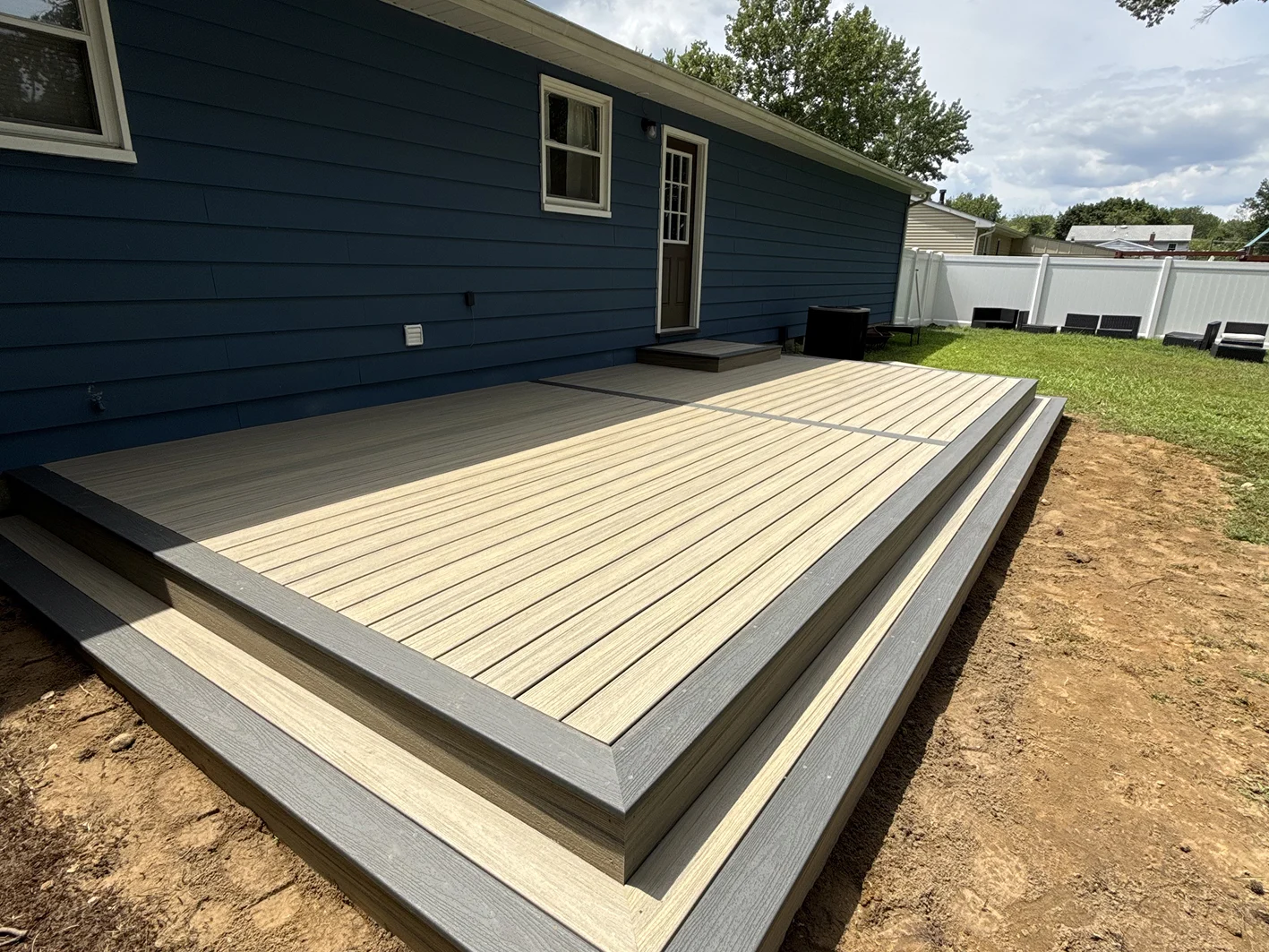
Decks extend living space into forested backyards. Post depth and stable footing are key, particularly near low-lying areas influenced by nearby water features such as Taunton Lake.
Explore Deck Installation & Replacement.avif)
See examples of our recent projects

%202.png)
Built for Local Conditions
Fence performance changes by region—what works in Georgia doesn’t always last in South Jersey.Our designs are engineered around South Jersey’s coastal humidity, clay-heavy soil, and freeze-thaw cycles.
Local design considerations we plan for:
%2019.jpg)
Soil type and drainage grade
%2025.jpg)
Coastal humidity and salt-air corrosion
%2026.jpg)
Wind load on long vinyl runs
%2029.jpg)
HOA or township height limits
%2028.jpg)
Pool enclosure safety regulations

In Medford Township, soil and tree coverage shape how structures perform. Sandy ground common in the Pine Barrens requires stable anchoring and careful depth control. Wooded parcels also create uneven grade and shifting surface conditions.
Local installation priorities include:
In Medford Township, a zoning permit is required before installing fences or walls. Applications are reviewed through the township’s zoning office, and a survey or plot plan is typically required to show exact placement.
For most standard residential fences, a construction permit is not required unless the fence exceeds typical height limits, serves as a retaining structure, or functions as part of a pool barrier. Requirements can vary by zoning district.
While limits should always be confirmed by the district:
Fences must remain outside required setbacks and avoid drainage or utility easements.
Medford Township lies within the Pine Barrens region, and certain properties fall under the oversight of the New Jersey Pinelands Commission. In designated Pinelands areas, additional review or filing requirements may apply depending on scope and location.
Zoning confirmation is especially important before clearing or expanding impervious coverage.
Pool fencing must comply with the NJ Uniform Construction Code, including:
Decks require construction permits and inspection. Powered gate systems may require electrical permits.
Projects move more smoothly when zoning review comes first, followed by any required construction permits, and then installation.

Every Tri-State Fence & Deck project follows the standards required by South Jersey township and county codes—from post depth and frost line clearance to concrete set times and gate spacing.
Our crews follow a structured checklist developed over 20 years of regional experience to ensure your fence or deck passes inspection and stands the test of time.
What defines our craftsmanship:
Posts set to South Jersey frost depth (typically 30"–36" minimum, depending on township)
Concrete mixed and cured per ASTM fence-post standards.
Vinyl and aluminum rails reinforced with steel or aluminum inserts where required.
Deck framing built with weather-rated fasteners and NJ-approved joist spacing
Site cleanup and gate alignment were verified before the customer walkthrough.


Site & Soil Review
Confirm lot lines, setbacks, and easements. Assess sandy Pine Barrens soil and grade before final layout.

Zoning & Pinelands Alignment
Submit zoning permit. Coordinate with the New Jersey Pinelands Commission if applicable. Secure required construction permits.
Installation & Final Inspection
Set posts to proper depth, align panels, reinforce for wooded exposure, and complete final stability check before closeout.
Are you looking for a partner to help you take your outdoor aspirations from dream to reality? Contact us today, and we will be in touch soon to help you get started with the initial details.
✓ Open Today | 7 AM–5 PM 📞 (484) 532-4655 — Same-day estimates available 📍 Serving: Elk Township, Clayton, Glassboro, Harrison Twp, South Harrison Twp, Upper Pittsgrove
Many properties sit on fast-draining sandy soil that can shift if not properly compacted. Wooded lots often include root systems, uneven grade, and shaded areas that retain surface moisture longer after rain.
Homes near areas like Wharton State Forest may also face steady wind movement through tree corridors. Some neighborhoods include drainage swales or natural runoff paths that guide the placement of fences and decks.
Reviewing soil stability, grade, tree lines, and water flow before digging helps prevent shifting, leaning, and long-term movement.

%2013.png)
%2016.png)
