Local crews. HOA-aware planning. Fences built for Delaware’s coastal and county rules.

Tri-State Fence & Deck works throughout Delaware, where fence projects often look simple at first glance. The state is small, yards feel manageable, and many neighborhoods appear similar on the surface. But once planning begins, the details start to matter quickly.
In places like Newark, Middletown, and coastal communities farther south, the same questions come up again and again. Who has approval authority? Does the HOA control design? How do sandy soil, moisture, or wind affect the build?
Most fence issues we see in Delaware don’t come from materials or workmanship. They come from early assumptions. Taking time to understand county rules, HOA requirements, and coastal conditions upfront helps projects move forward without surprises.
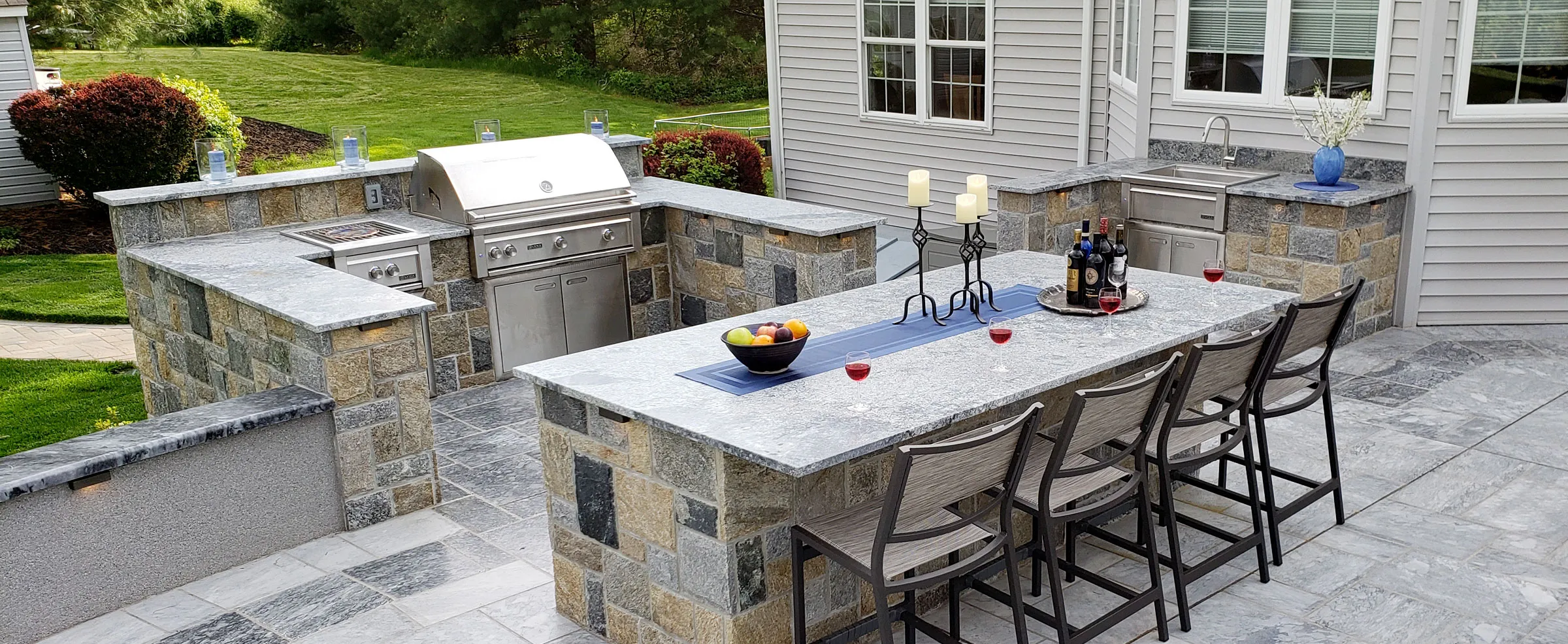
Delaware may be small, but fence rules and conditions change by county. Our work follows those lines closely.
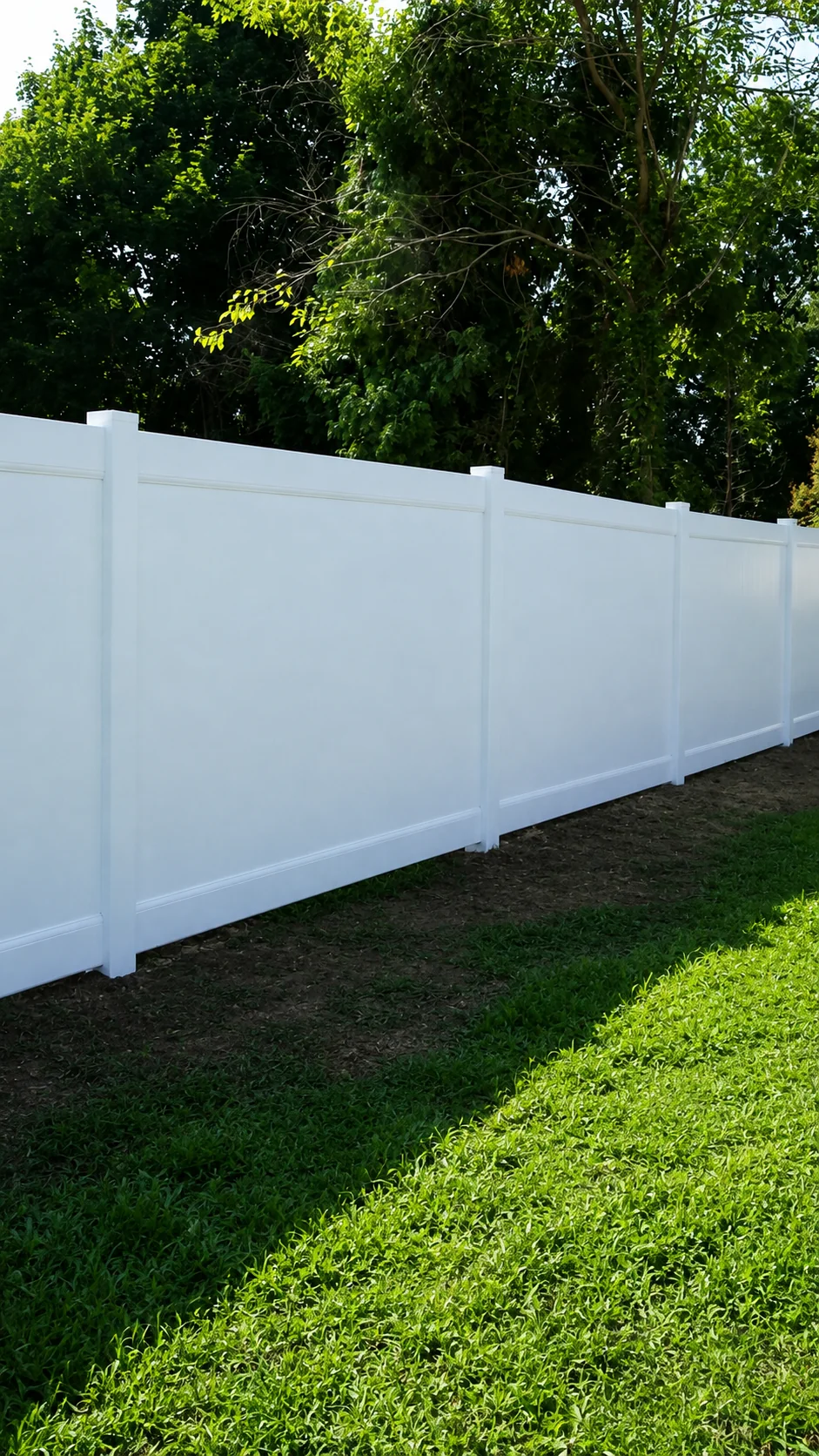
Most of our New Castle County projects are in established neighborhoods and denser developments near Newark, Hockessin, and Middletown. Front-yard visibility rules and inspections are common. We regularly install vinyl privacy fencing, aluminum fencing, and walk gates. These options are designed to fit corner lots correctly and meet setback requirements
Sussex County work is shaped by HOAs and coastal exposure. In communities near Rehoboth Beach, Lewes, and Millville, sandy soil, wind, and salt air influence every build. Vinyl fencing, aluminum fencing, pool enclosures, and wind-rated gates are common here.
Kent County projects often involve larger parcels and fewer HOA restrictions. In the Dover area and surrounding towns, we install privacy and chain-link fencing, as well as functional access gates, with drainage plans and open property lines.
Working in Delaware means planning for moisture and wind first. In areas around Rehoboth Beach, Lewes, and inland communities near Middletown, sandy soil and high water tables affect how posts are set. This also influences how well fences hold up over time.
Wind exposure is another constant, especially in Sussex County. Panels and gates require spacing and hardware that account for sustained coastal gusts, not just the design load shown on paper. Corrosion-resistant fasteners and material selection matter here more than fence height alone.
In Delaware, durability comes from planning around water and wind, not from overbuilding.


The services we install most often in Delaware are those that are approved and perform well over the long term.
These services reflect how fencing actually gets built, approved, and maintained in Delaware.
Project Highlights
Check out some of our recent
vinyl fence
projects, or click here to see all past
vinyl fence
projects.


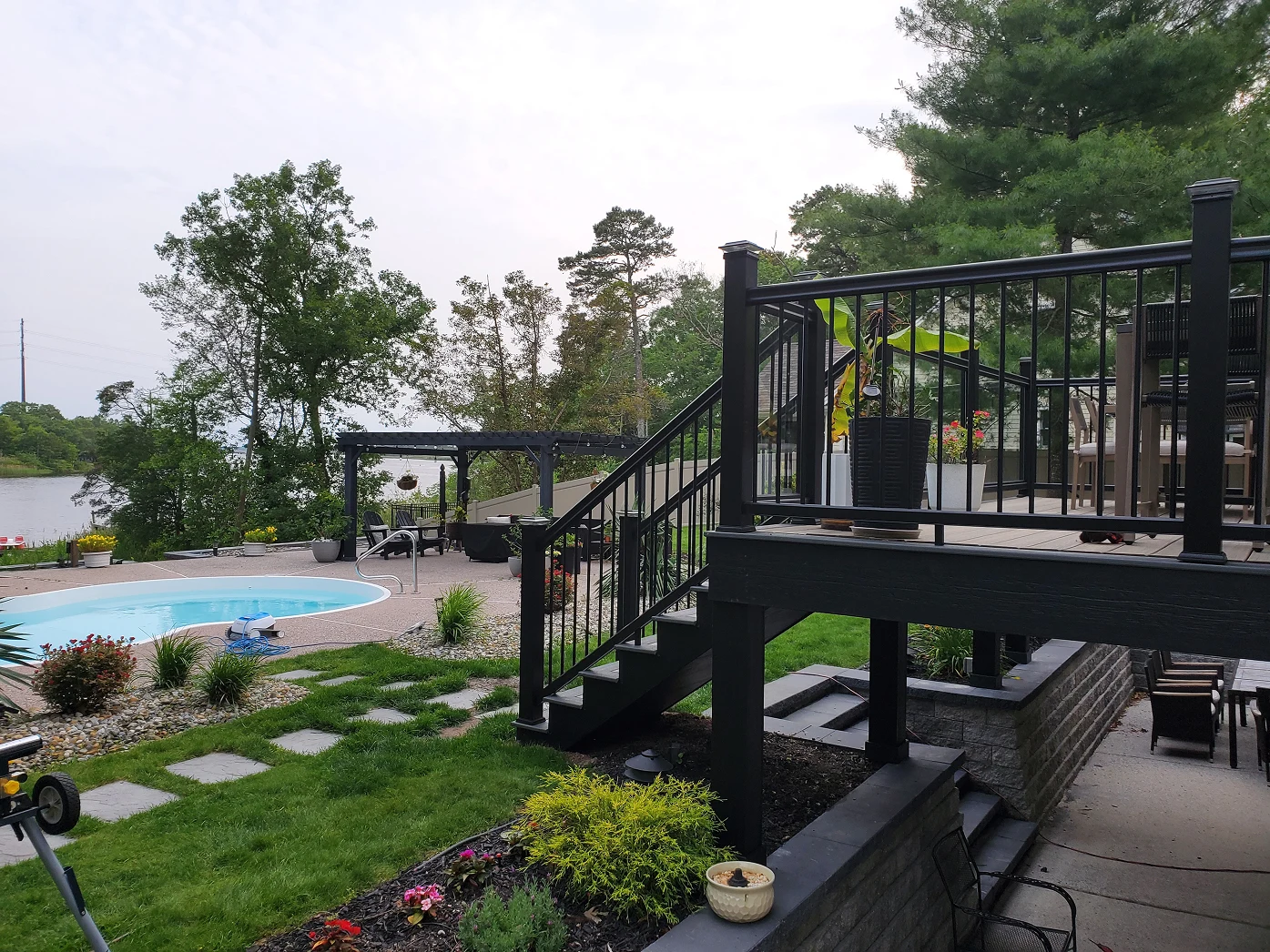
In Delaware, fence approvals are typically handled through county or municipal permitting and zoning processes. Residential fence permit requirements depend on the county or town—check local rules before you build. County or municipal zoning rules often control fence height and placement, and corner lots may also be subject to visibility restrictions.
In New Castle County, permits and inspections are handled through the county’s Permits & Inspections process. Zoning reviews typically consider fence height and placement; corner lots may have additional visibility requirements.
In some Sussex County communities, HOA approval may be required under the community’s covenants before you proceed. HOA rules may restrict height, materials, colors, and gate design through recorded covenants
Pool fencing is enforced more strictly statewide. Pool barriers are subject to inspection, and local applications commonly require self‑closing, self‑latching gates (consistent with ISPSC-style requirements).
Excavation is governed separately. All fence post digging requires a locate request through Delaware Miss Utility. Marks must remain visible and protected throughout work. Ignoring locates—or working after a ticket becomes invalid—can create delays, damage risk, and liability.
The critical step is determining who you answer to first—HOA, town, or county—before you purchase materials or set posts.
Most of our Delaware work is concentrated in New Castle, Sussex, and Kent Counties. Occasionally, we take on projects just outside those areas when the scope and conditions make sense.
In Delaware, availability is rarely about mileage alone. HOA requirements, coastal exposure, access, and inspection logistics matter more than distance. If a property falls outside our usual footprint, we review the location and site details first to confirm feasibility and any travel considerations.
Are you looking for a partner to help you turn your outdoor aspirations into reality? Contact us today, and we will be in touch soon to help you get started with the initial details.
