Vinyl, wood, aluminum, and gate installations planned for growing neighborhoods and township rules.
%203.png)
%205.png)
%201.png)
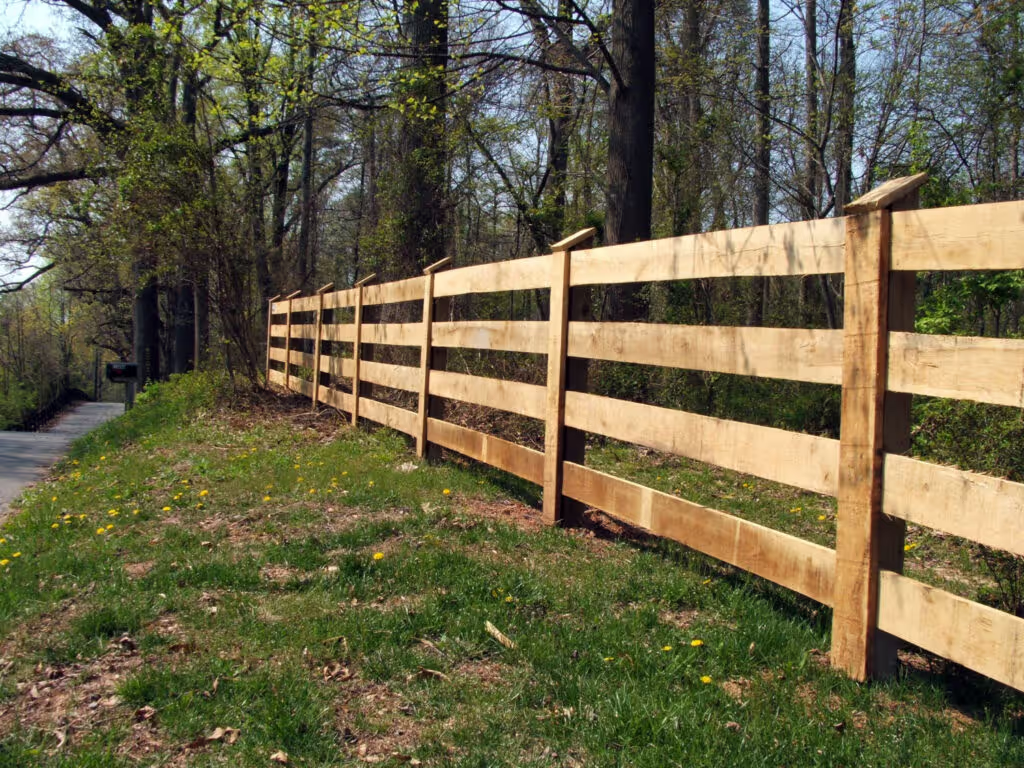
Gloucester County, NJ, includes growing suburbs, older boroughs, and river towns. In places like Washington Township, Monroe Township, and Woolwich, projects often follow planned designs and backyard living trends. Areas near Glassboro and Deptford see more replacement work on established lots. Creeks, corner lots, and township reviews can affect layout and timing. Tri-State Fence & Deck regularly works across Gloucester County, planning each project around the lot, the neighborhood, and local expectations from day one.

Projects across the county vary by growth, lot layout, and local geography. Select your town to see what’s commonly built there.

Backyard living, newer neighborhoods
Replacement work, mixed layouts
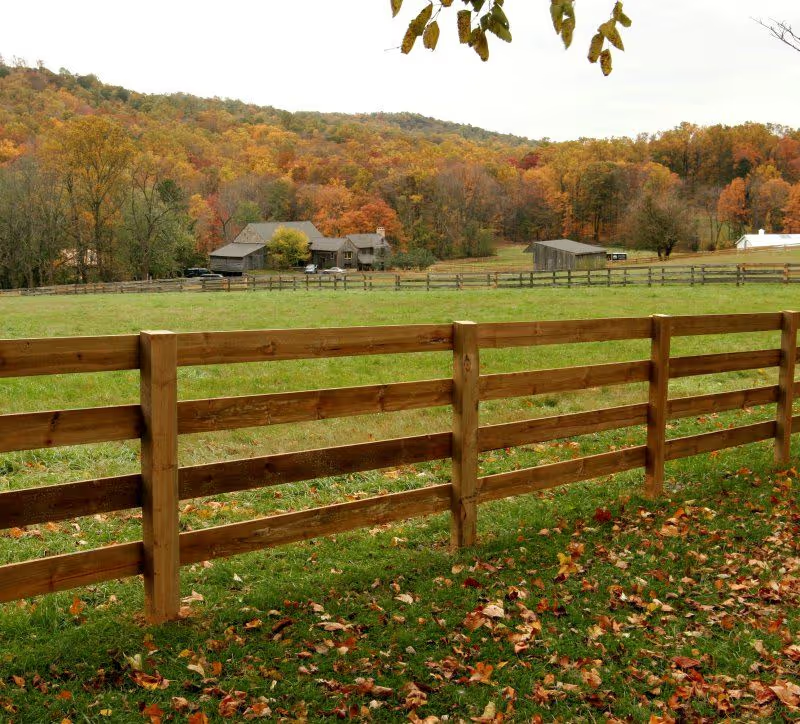

Tighter lots, drainage awareness
Larger lots, access planning


Compact neighborhoods
Tri-State Fence & Deck plans around these local conditions so fences and decks fit the yard, drain well, and feel right long after installation.
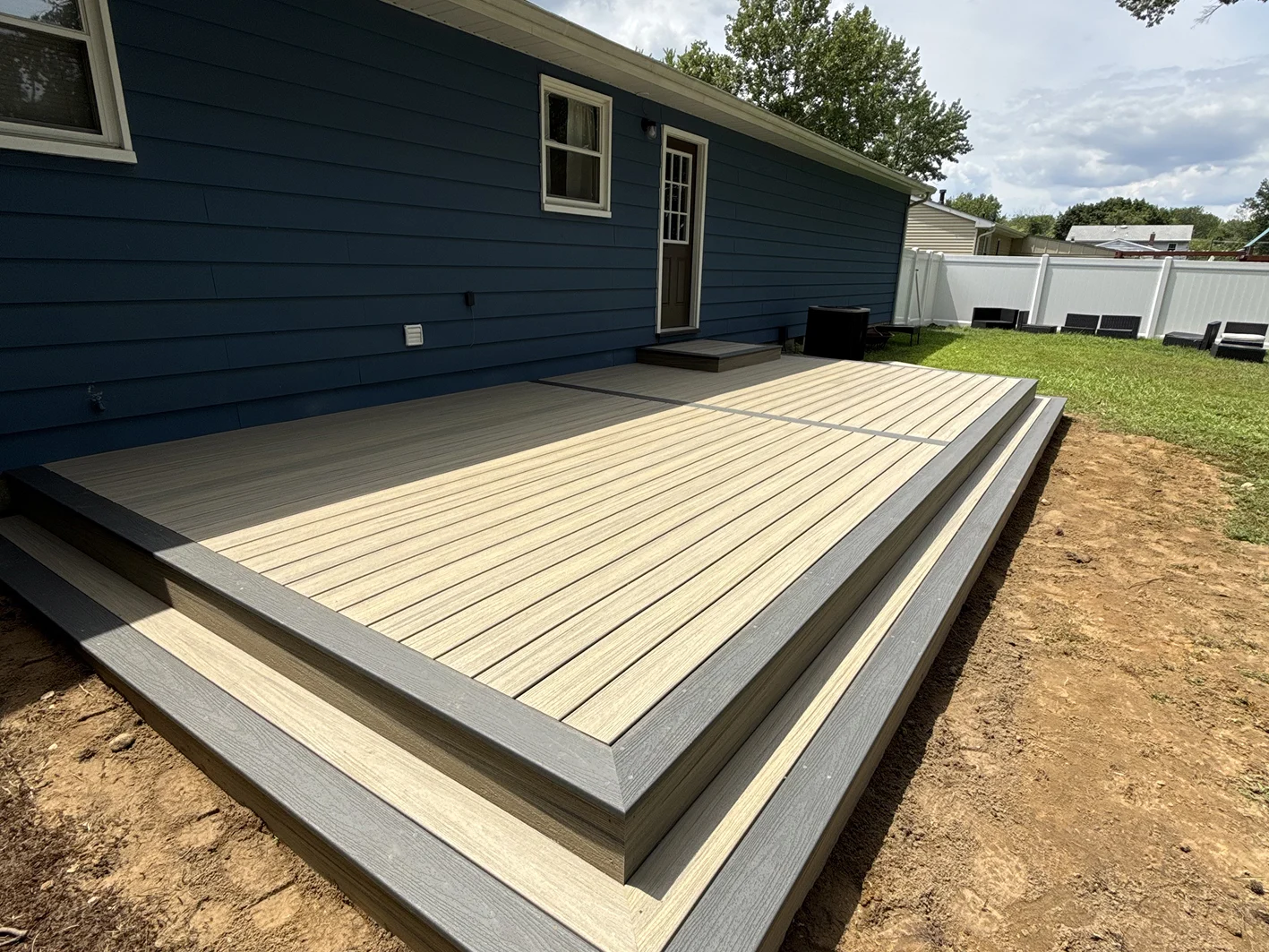
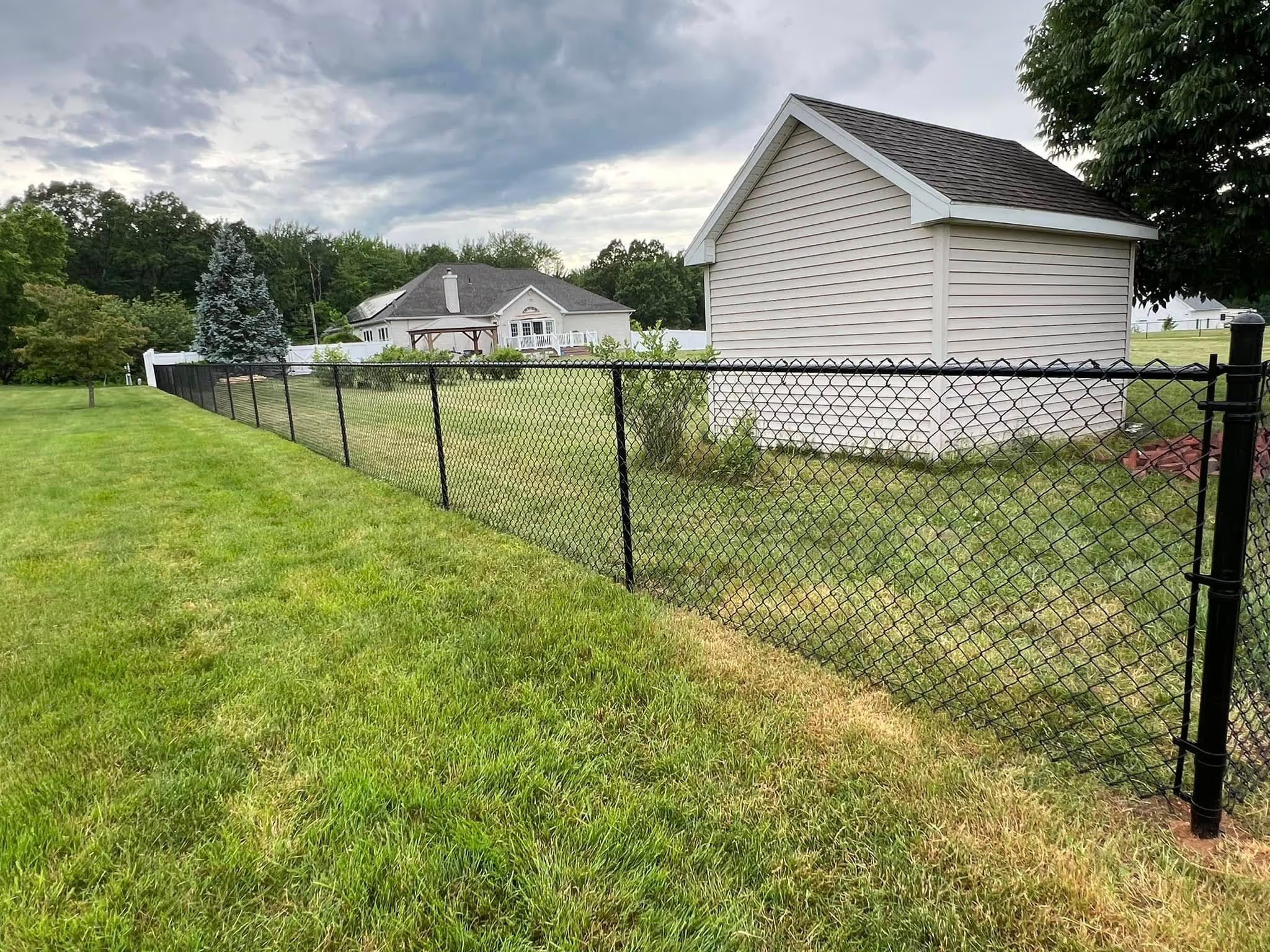
Permits are handled by each township. Fence and deck permits are issued at the municipal level, not by the county. Townships like Washington Township, Deptford Township, and Monroe Township review projects based on location, height, and use.
Fence height rules follow common limits, with local review. Rear and side yards often permit fences up to 6 feet tall. Front yards are commonly limited to 4 feet. Corner lots may undergo additional review to maintain clear sightlines along the street.
Deck projects require construction permits. Decks are reviewed under New Jersey’s Uniform Construction Code. Inspections often include footings, framing, and final approval, especially for attached or raised decks.
HOA involvement varies by neighborhood. Some planned communities review materials, colors, and layout before township submission. Older boroughs and established neighborhoods often rely solely on zoning review.
Utility marking is required before digging. All post holes and footings must be cleared through New Jersey One Call (811) before work begins.
Tri-State Fence & Deck plans projects around township review steps so approvals and inspections stay on track.
Project Highlights


Experience that matches Gloucester’s mix of old and new
From new developments in Washington Township to established streets in Deptford and Woodbury, projects are planned to fit the neighborhood rather than impose a template.
Licensed, insured, and township-ready
Fully licensed and insured in New Jersey. Work is planned with township review in mind, so layouts, heights, and placements don’t get flagged at the last minute.
Quality that holds up in busy backyards
A 3-year workmanship warranty covers posts, framing, and installation—important for fences and decks used daily by families, pets, and guests.
Clear planning from estimate to install
One team handles layout, coordination, and installation. That consistency matters in a county where rules and expectations change by town.
Projects near county borders often share similar neighborhood layouts, drainage patterns, and township review processes. In addition to serving Gloucester County, Tri-State Fence & Deck also supports projects in Camden, Salem, and Burlington Counties when the scope and local requirements are a good fit.
Are you looking for a partner to help you turn your outdoor aspirations into reality? Contact us today, and we will be in touch soon to help you get started with the initial details.
