Vinyl, wood, aluminum, and gate installations planned for growing neighborhoods and township rules.
%203.png)
%205.png)
%201.png)

Atlantic County in New Jersey includes barrier island towns, growing mainland suburbs, and interior Pinelands communities. In places like Atlantic City and Margate City, wind and salt air influence material choice and hardware strength. Inland towns such as Egg Harbor Township and Galloway Township see strong demand for pool barriers and backyard privacy fencing. Township rules, HOA standards, and seasonal timing also affect planning. Tri-State Fence & Deck works throughout Atlantic County, planning projects around exposure, approval paths, and how each property is used.

Projects across Atlantic County vary by coastal exposure, subdivision layout, and land conditions. Select your town to see what’s commonly built and how location affects design.
Salt air, wind exposure, and visibility
Pools, privacy, subdivisions


Mixed density, waterfront edges
Sandy soil, longer runs

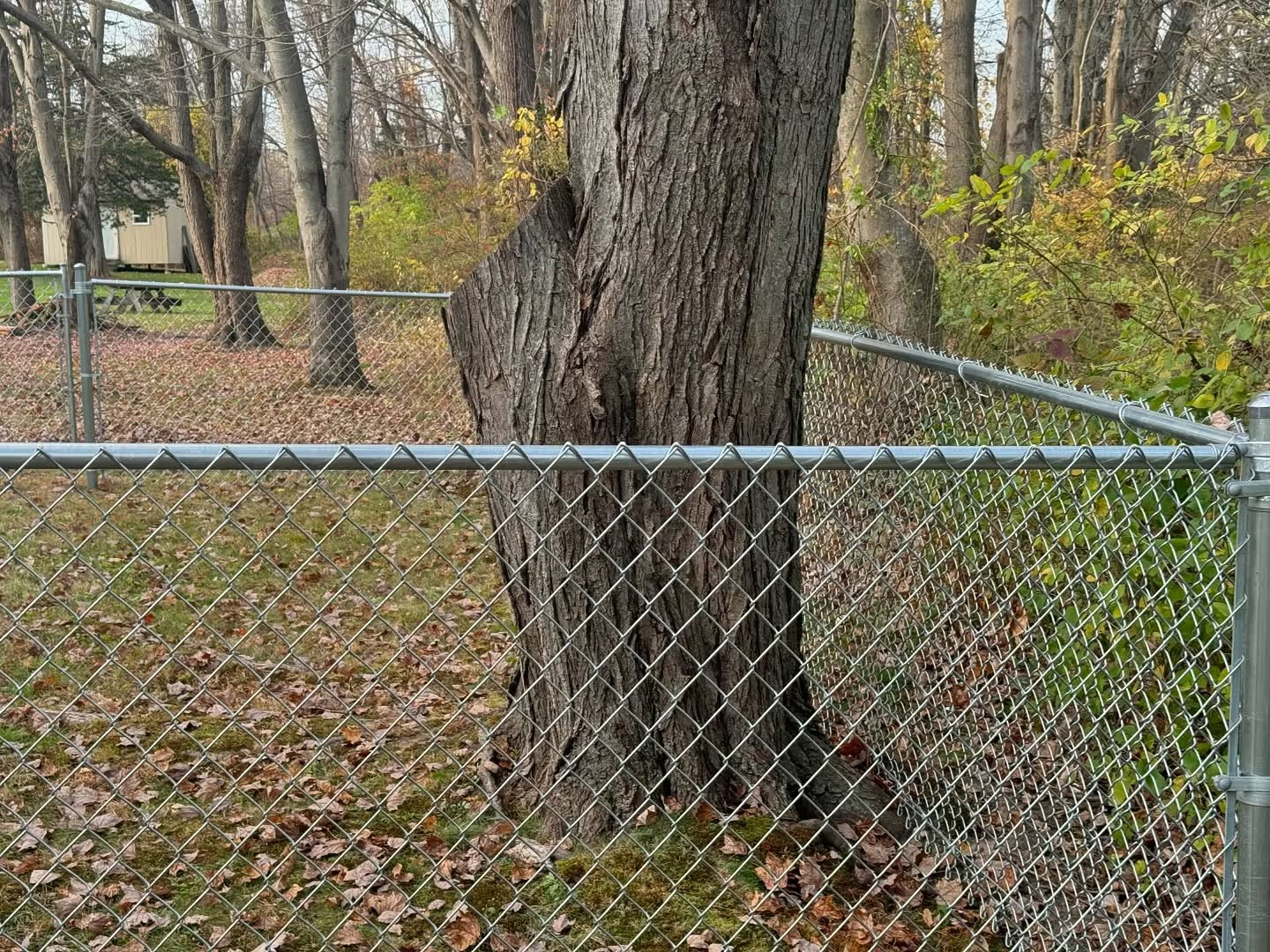
Along the coast, salt air and steady wind are part of daily life. In Atlantic City and Brigantine, metal parts corrode faster, and gates experience greater stress. Hardware choice and post depth matter here.On the mainland, towns like Egg Harbor Township and Hamilton Township sit on sandy soil that drains quickly but shifts if posts are shallow.Interior areas near the New Jersey Pinelands often have softer ground and longer property lines, which require steady alignment across wider spans.Tri-State Fence & Deck builds with these conditions in mind so materials, fasteners, and layout suit the location from the start.
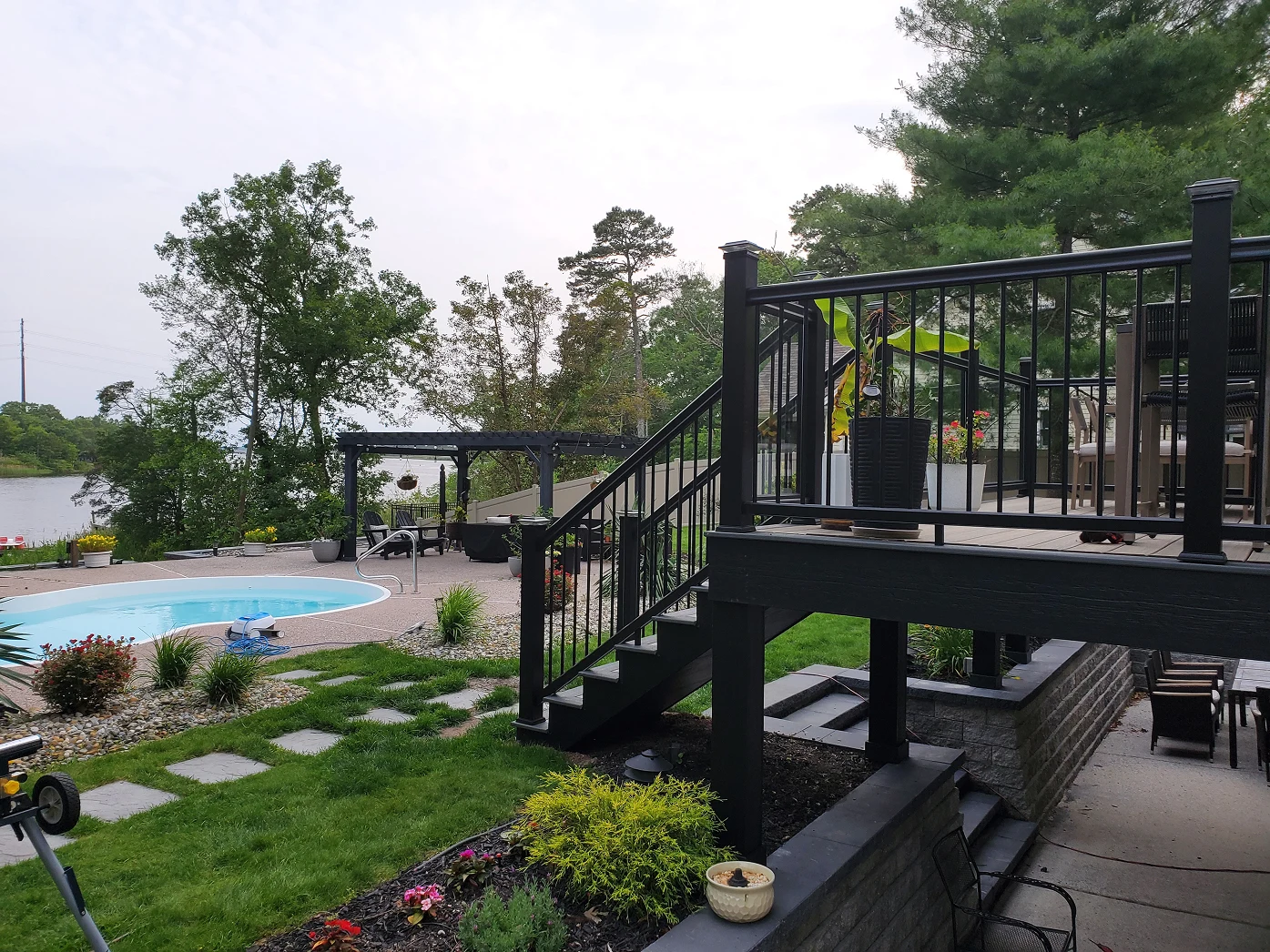
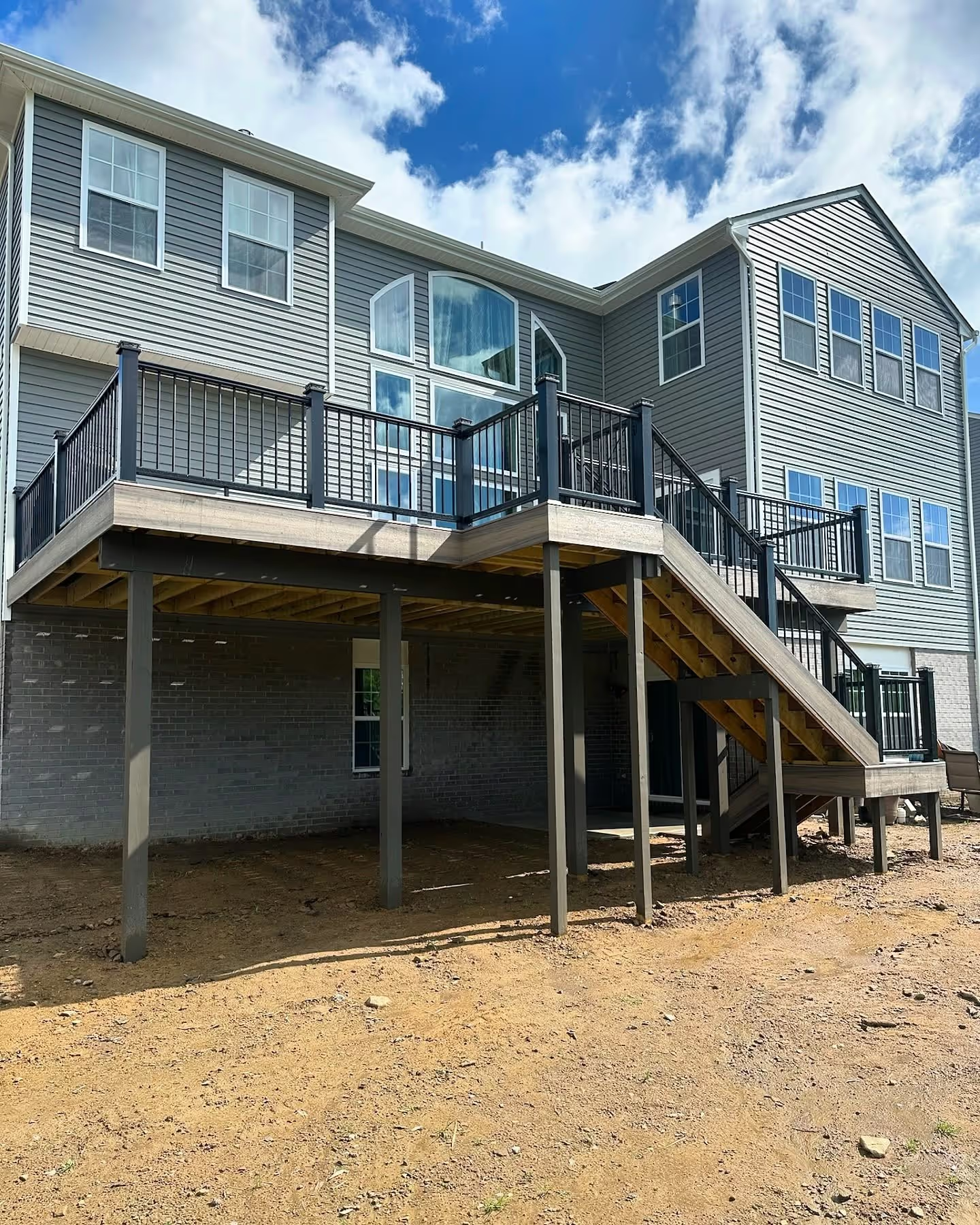
Atlantic County does not issue fence or deck permits. Each city or township reviews its own applications. Municipal offices in Egg Harbor Township, Galloway Township, Hamilton Township, and Atlantic City oversee zoning and construction review.
Tri-State Fence & Deck coordinates documentation and inspections to ensure projects comply with local requirements from the start.
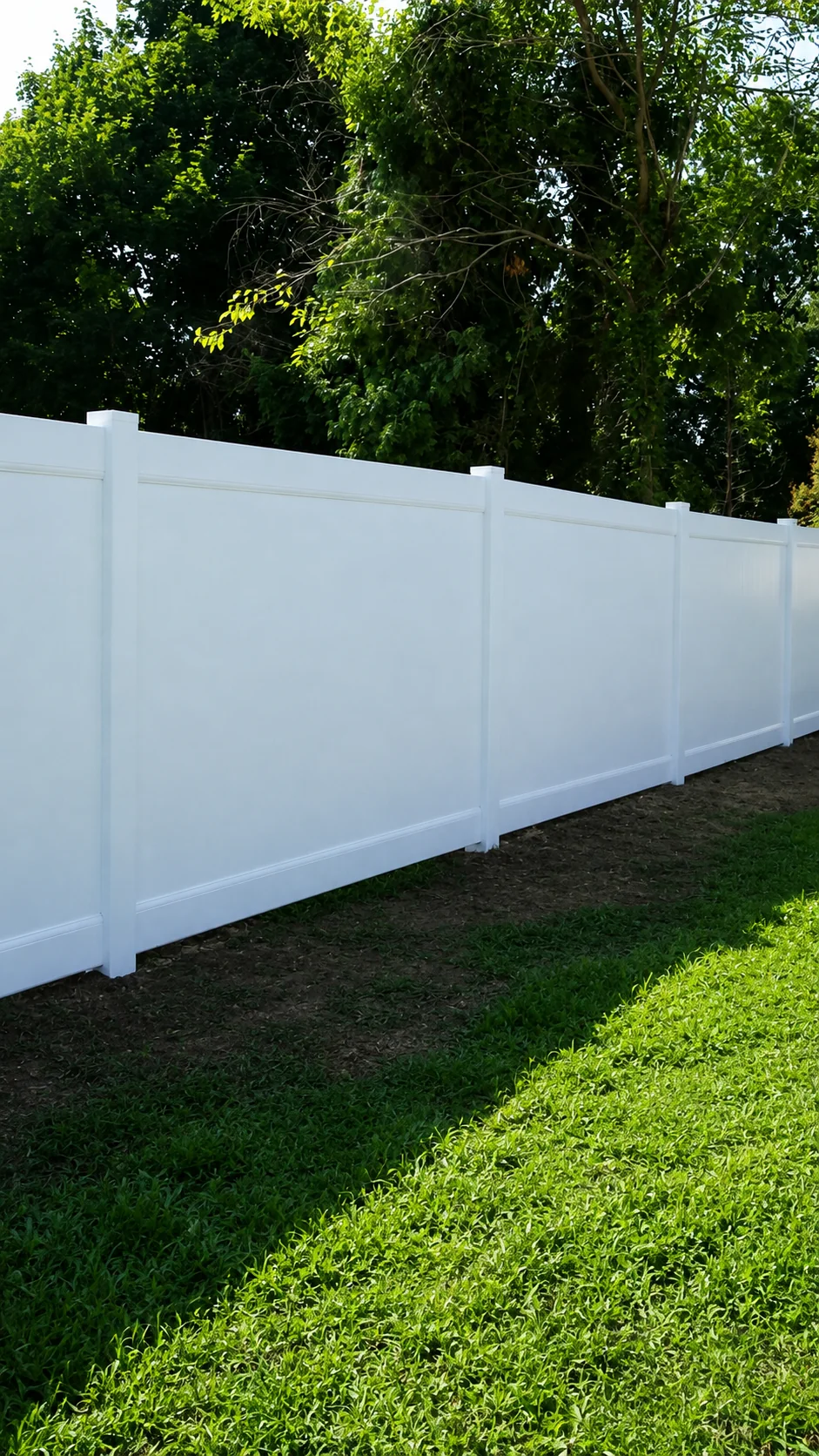
Project Highlights


.avif)
20+ years serving South Jersey communities
With more than two decades of experience across coastal and mainland towns, projects are planned with Atlantic County’s weather, soil, and review process in mind.
Licensed, insured, and NJ code-compliant
Fully licensed in New Jersey (License #13VH13604500) and insured. Projects are coordinated to meet municipal zoning review and the New Jersey Uniform Construction Code.
3-year workmanship warranty
Installation quality is backed by a 3-year warranty covering posts, framing, and structural components—important in wind-exposed and pool-focused properties.
Coordinated permit and inspection planning
From zoning submission to final inspection, projects are scheduled to align with municipal review timelines, ensuring installations proceed without avoidable delays.
Towns near county borders often share similar soil, neighborhood layouts, and permit steps. In addition to projects across Atlantic County, Tri-State Fence & Deck also works in nearby Cape May County, Cumberland County, and parts of Gloucester County when local rules and project scope are a good fit.
Are you looking for a partner to help you turn your outdoor aspirations into reality? Contact us today, and we will be in touch soon to help you get started with the initial details.
