Thoughtful planning. Terrain-aware builds. Fences designed for real Pennsylvania properties.
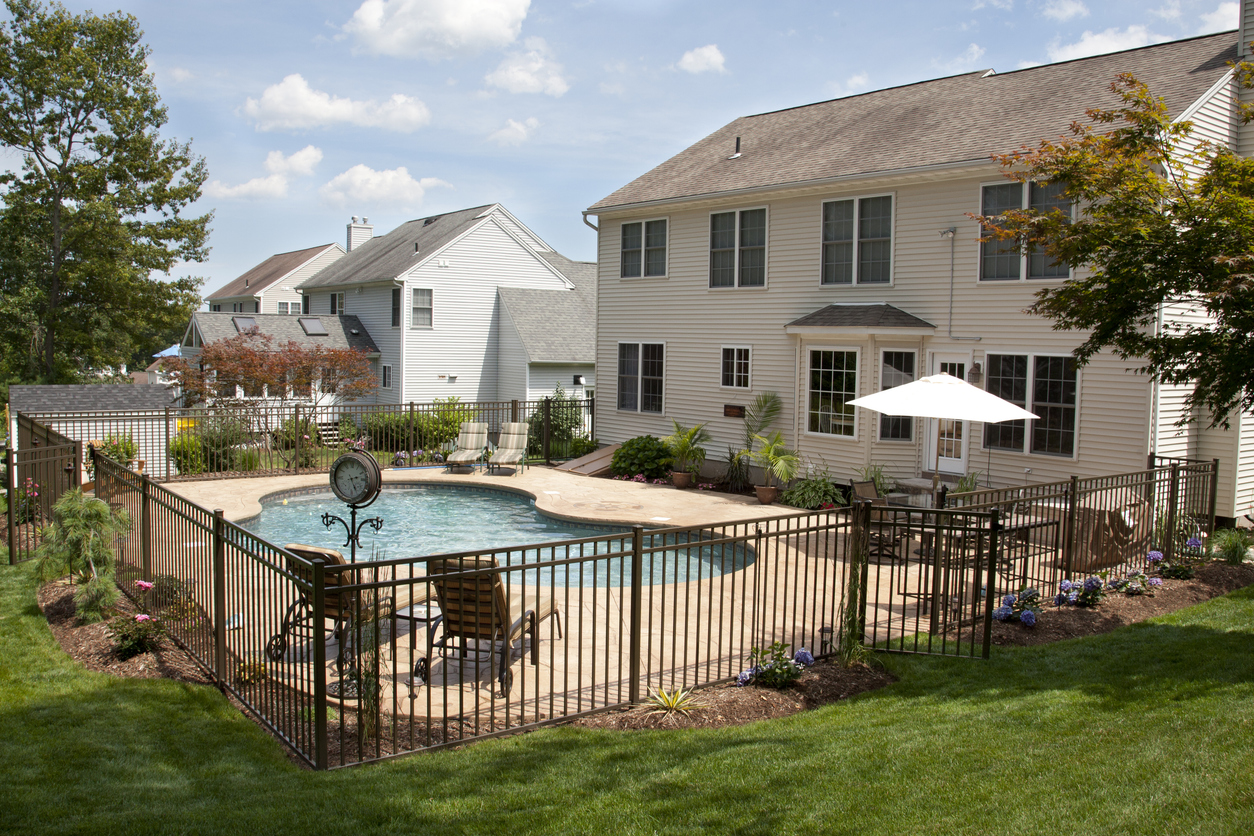
Tri-State Fence & Deck operates across Pennsylvania, focusing on properties where ground conditions, township rules, and HOA requirements vary from one neighborhood to the next.
When we walk a property in Pennsylvania, the first step is always the same: we look at the ground, the layout, and how the space is actually used. That usually tells us more than any checklist.
Across Southeastern Pennsylvania, property values can vary significantly from block to block. Some yards sit on a slope. Others hit rock a few inches down. Some neighborhoods are governed by township rules, others by HOA guidelines. Those details shape how a fence is built long before materials are chosen.
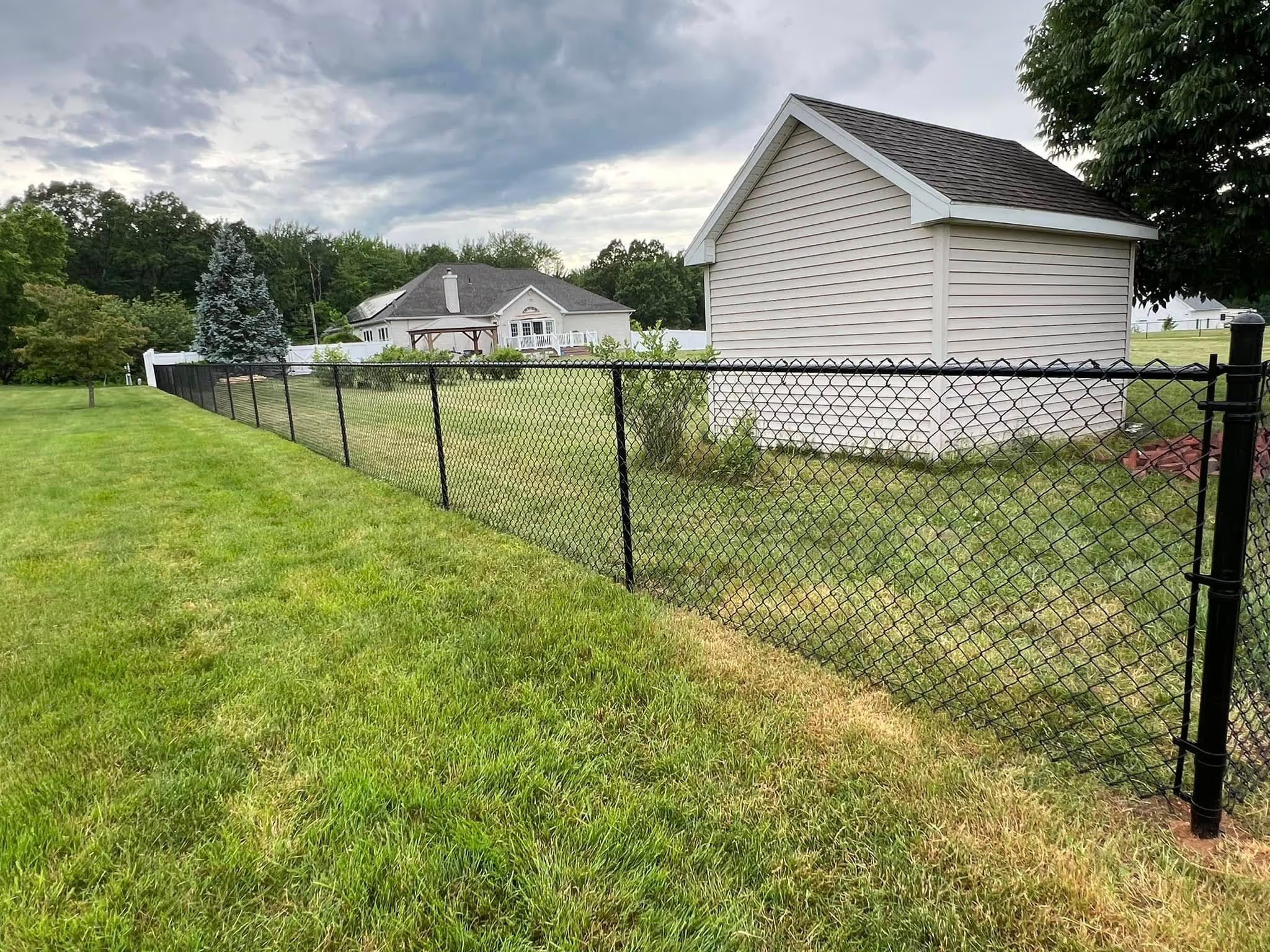
These Pennsylvania counties sit directly across the river or within a short travel distance of South Jersey. They make up our core Pennsylvania service footprint. Property layouts, township rules, and ground conditions can change quickly from one area to the next.
Much of our Delaware County work takes place in older neighborhoods and established suburbs near the I-476 and Route 1 corridors. Projects here often involve privacy fencing and aluminum front-yard fences. Layouts are designed to meet township rules and HOA guidelines when required.
Montgomery County properties range from dense borough streets to larger suburban developments. We often work on sloped yards and mixed soil conditions. Common projects include privacy fencing, access gates, and perimeter fencing planned around grade changes and township review.
Chester County sites often feature uneven terrain and rocky subsurface conditions, especially outside town centers. Our work here includes stepped fencing, post drilling, and longer fence runs. Grade and drainage usually shape the layout more than lot lines.
In Bucks County, we regularly work on residential properties near river towns and newer developments farther inland. Projects often include privacy fencing, pet-friendly chain-link fencing, and gate access. Layouts are planned in accordance with township rules and HOA guidelines, as required.
Fence projects in Philadelphia County are often tied to rowhomes, corner properties, and mixed-use sites. These installs require tight layouts and clear boundary planning. Coordination is needed where fencing affects public frontage or visibility.
In Pennsylvania, fence stability starts below grade. Much of Southeastern Pennsylvania has mixed subsurface conditions, with soil transitioning to shale or dense rock within inches. That directly affects post depth, footing method, and long-term alignment.
Slope adds another layer. On uneven ground, following the grade can place an uneven load on posts and rails. Stepped sections or adjusted spacing often perform better and reduce movement over time.
Rock is common in parts of Chester County and Montgomery County. When augers stop short, drilling is required. Planning for that up front avoids shallow posts, gate sag, and early failure.
In Pennsylvania, the ground dictates the build, not a standard spacing chart.
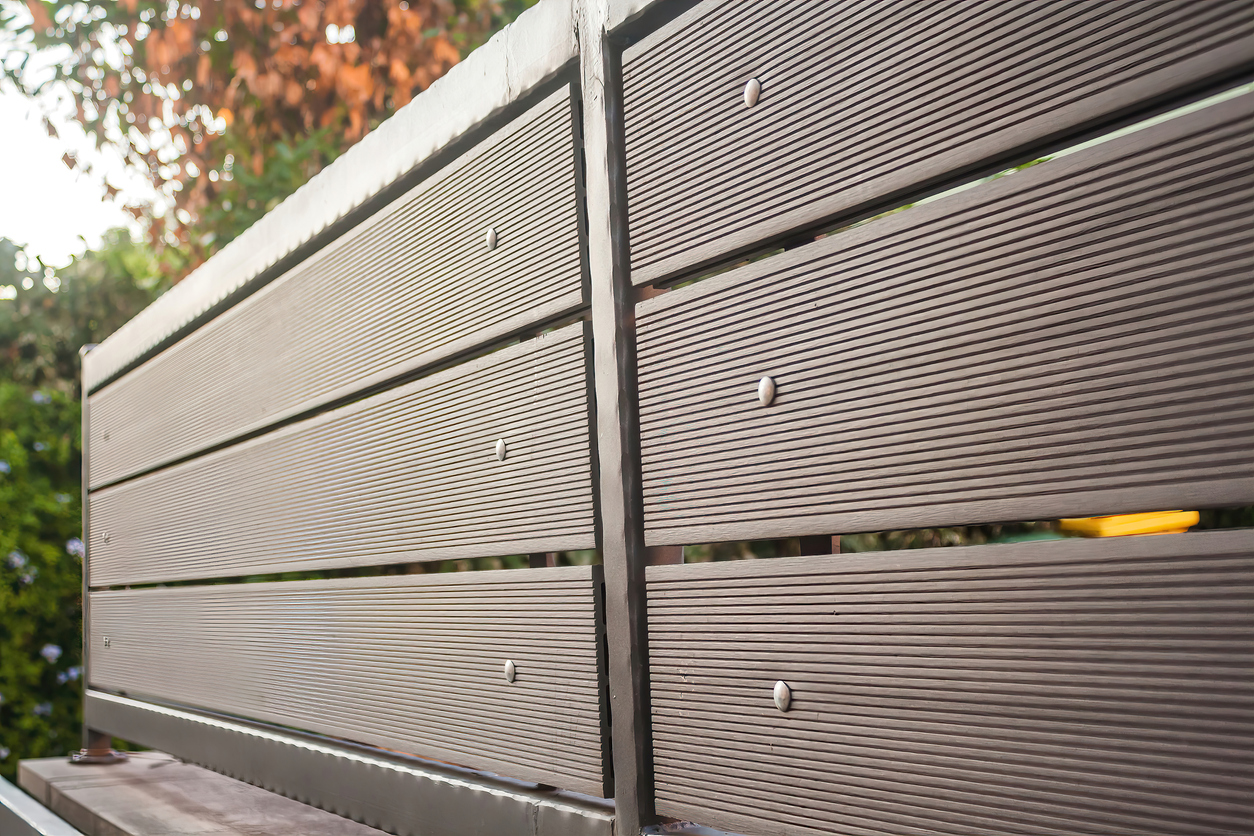
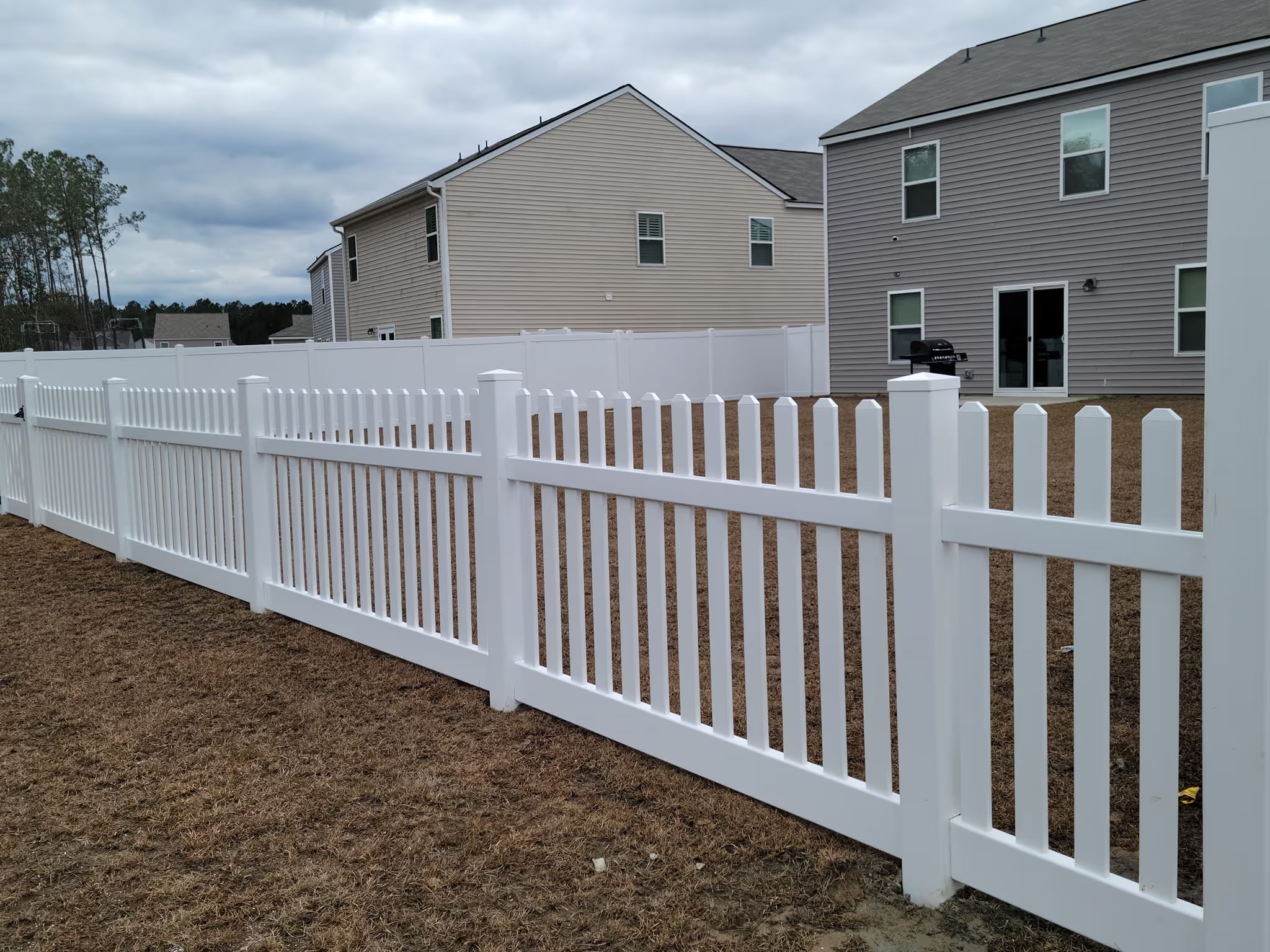
Most work we install across Pennsylvania is shaped by the land and the local rules. In Southeastern Pennsylvania, that usually means sloped yards, mixed soil, and HOA standards that influence layout early.
Project Highlights
Check out some of our recent
vinyl fence
projects, or click here to see all past
vinyl fence
projects.
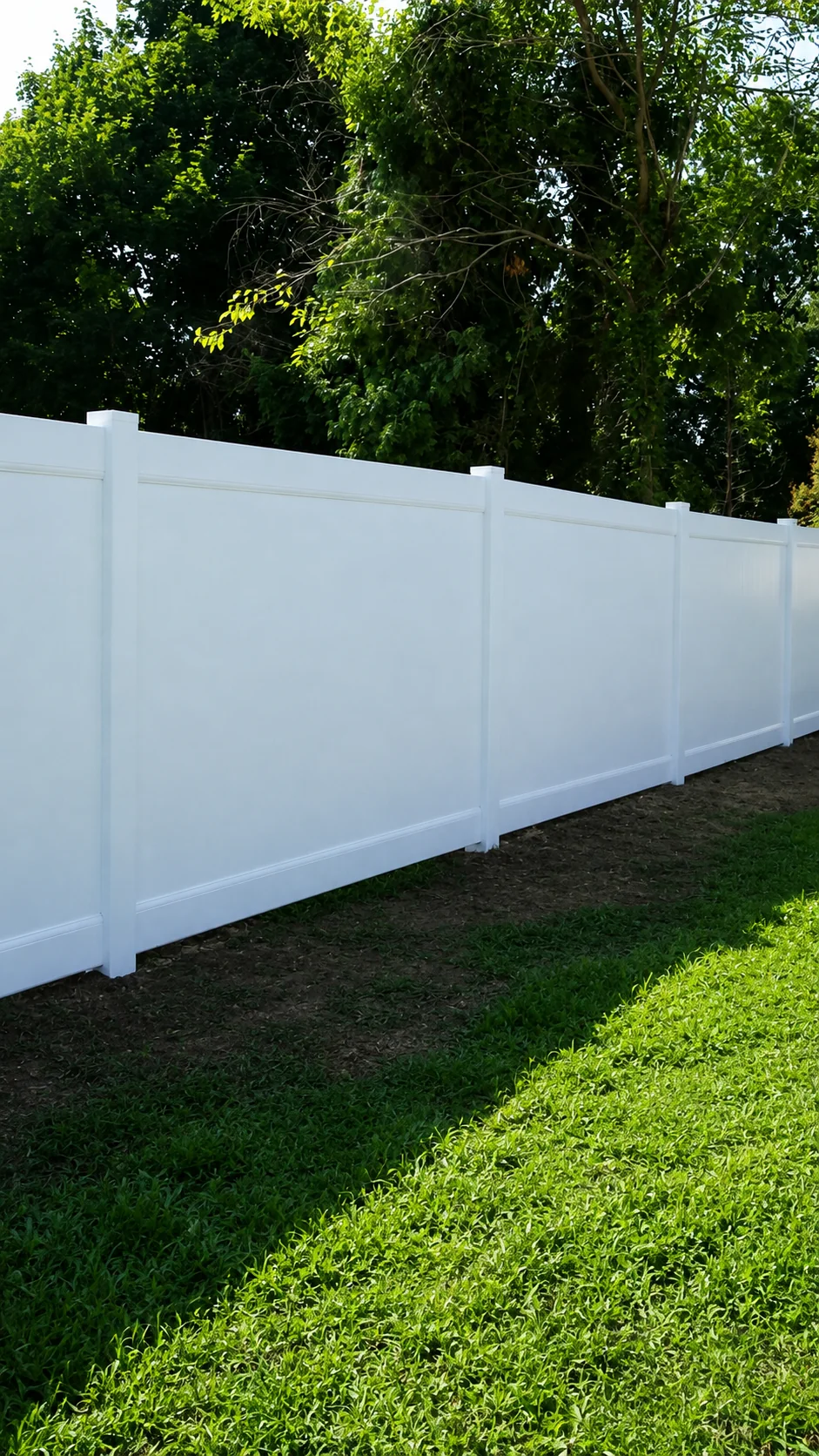


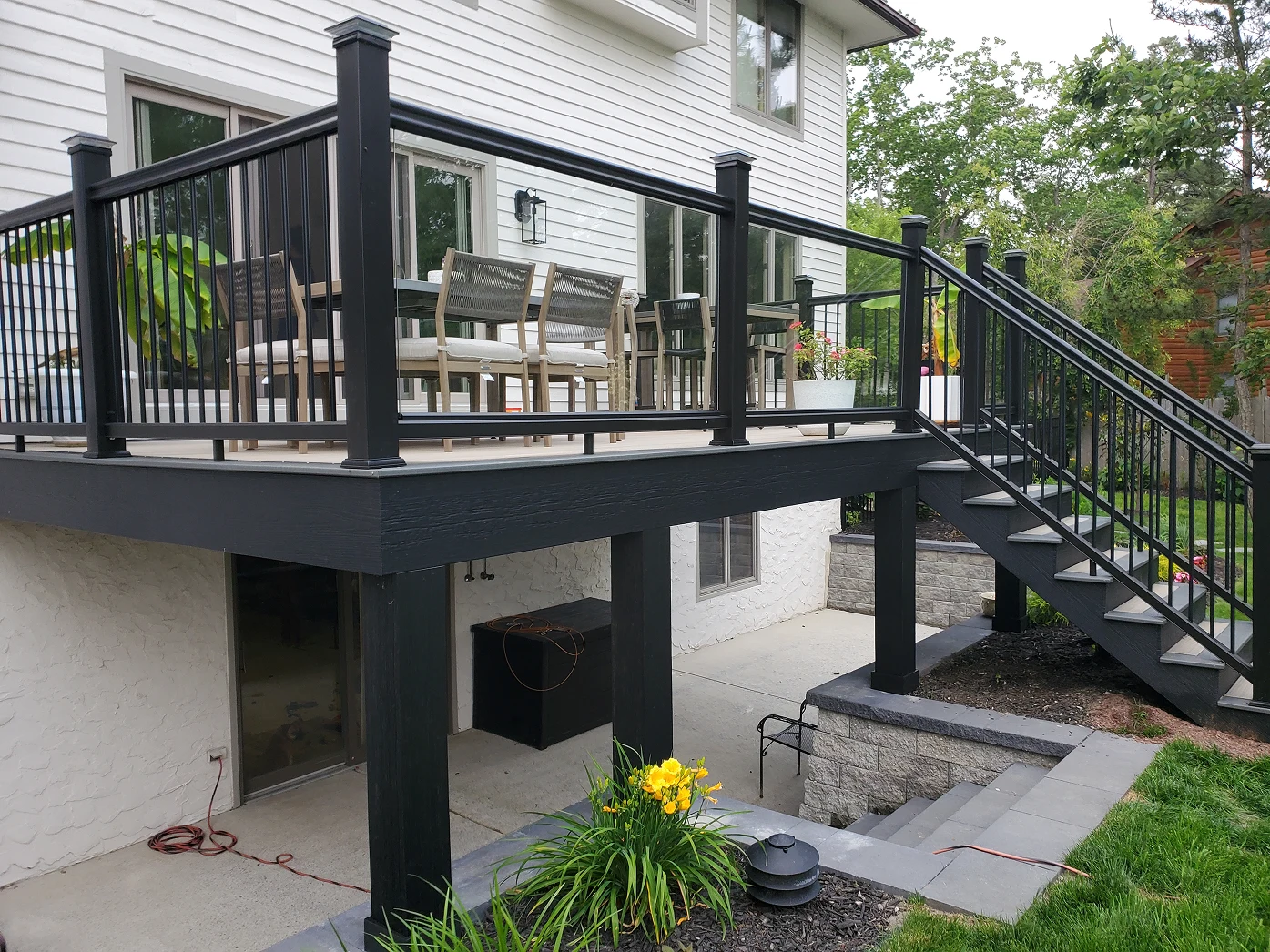
In Pennsylvania, fence approval usually comes from two different lanes. The first is local zoning, enforced by the township/borough/city. The second is the statewide Uniform Construction Code (UCC), administered by the Pennsylvania Department of Labor & Industry, which governs building code permits and inspections. Many fences under 6 feet are exempt from a UCC building permit, but they can still require a zoning permit.
Pennsylvania municipalities set their own fence rules through local zoning authorities. This means that fence regulations can vary significantly between neighboring towns, even within Southeastern Pennsylvania. Zoning offices typically focus on height, placement, sightline triangles on corners, and front-yard limits.
HOAs are a third layer, and they’re private. Depending on the community’s recorded covenants, an HOA may restrict material, color, style, and placement even when zoning allows the fence.” In practice, that means “town-approved” and “HOA-approved” are two separate green lights.
Finally, excavation has its own statewide authority. Before digging fence posts, submit a locate request through PA One Call (811). Pennsylvania’s One Call law is enforced by the PA PUC, which includes a formal process for reporting alleged violations. Skipping this step can stop a project.
Some Pennsylvania projects fall just beyond our primary service area. In those cases, availability depends less on distance and more on the site itself. Terrain, access, project size, and scheduling all play a role.
For properties outside our main Southeastern Pennsylvania area, we can check the location and scope. This helps us determine whether the project fits our schedule or requires changes to travel plans.
Are you looking for a partner to help you turn your outdoor aspirations into reality? Contact us today, and we will be in touch soon to help you get started with the initial details.
