Zoning-first fence and deck builds for village lots and open farmland properties.
Chesterfield Township blends preserved farmland with planned village growth. In Crosswicks and Old York Village, fence and deck projects must comply with zoning rules. They also meet clear design expectations. Lots are often wider and more exposed than dense suburbs, which means longer fence runs and greater wind pressure.
Tri-State Fence & Deck plans each build with boundary clarity, zoning alignment, and structural depth, so the finished work fits both the land and the township’s review process.

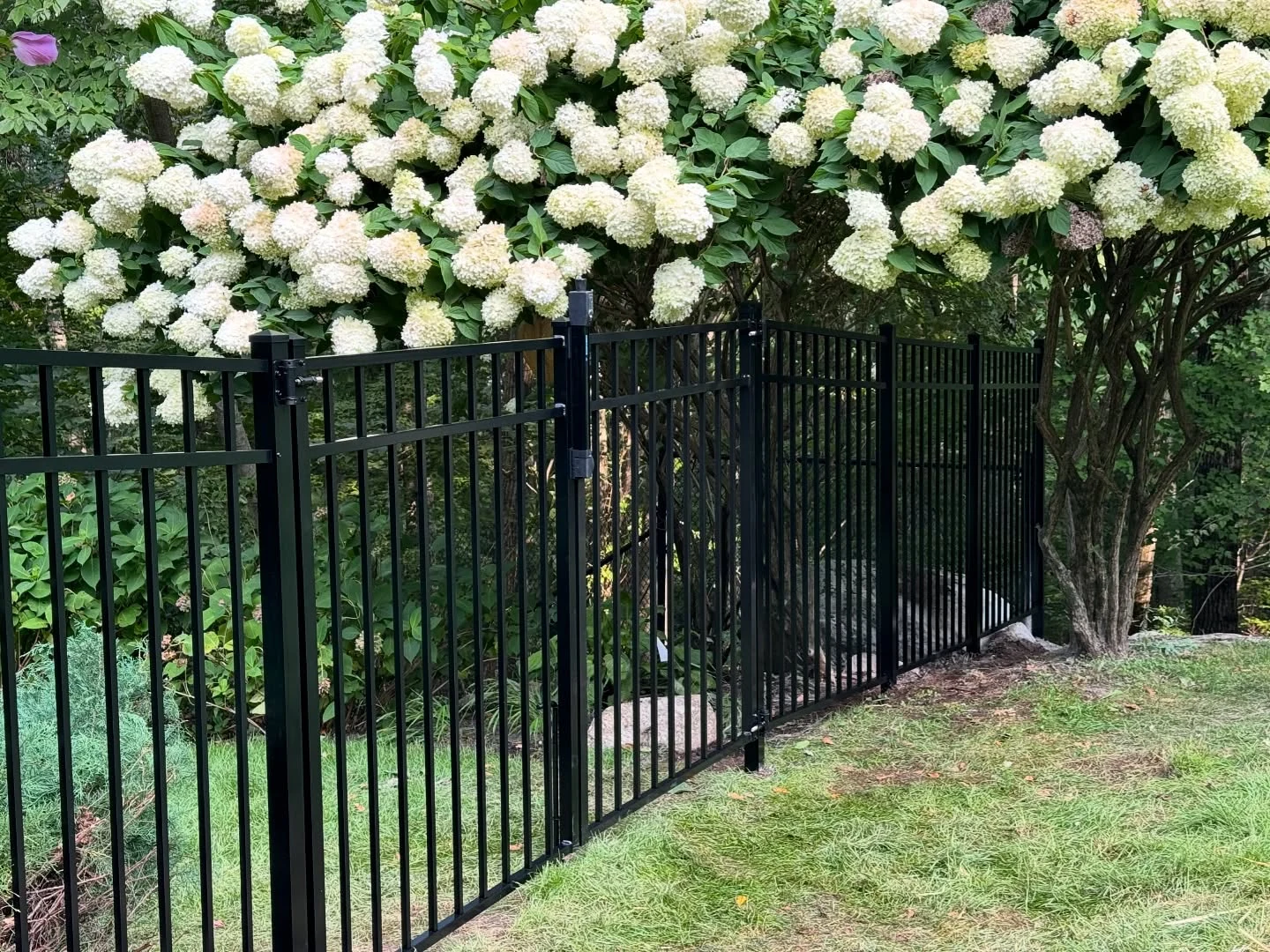
In Chesterfield Township, projects vary by setting. Village lots require clean frontage and zoning alignment. Properties along open farmland edges demand longer runs and stronger anchoring. Homeowners focus on boundary clarity, durability, and township compliance before appearance.
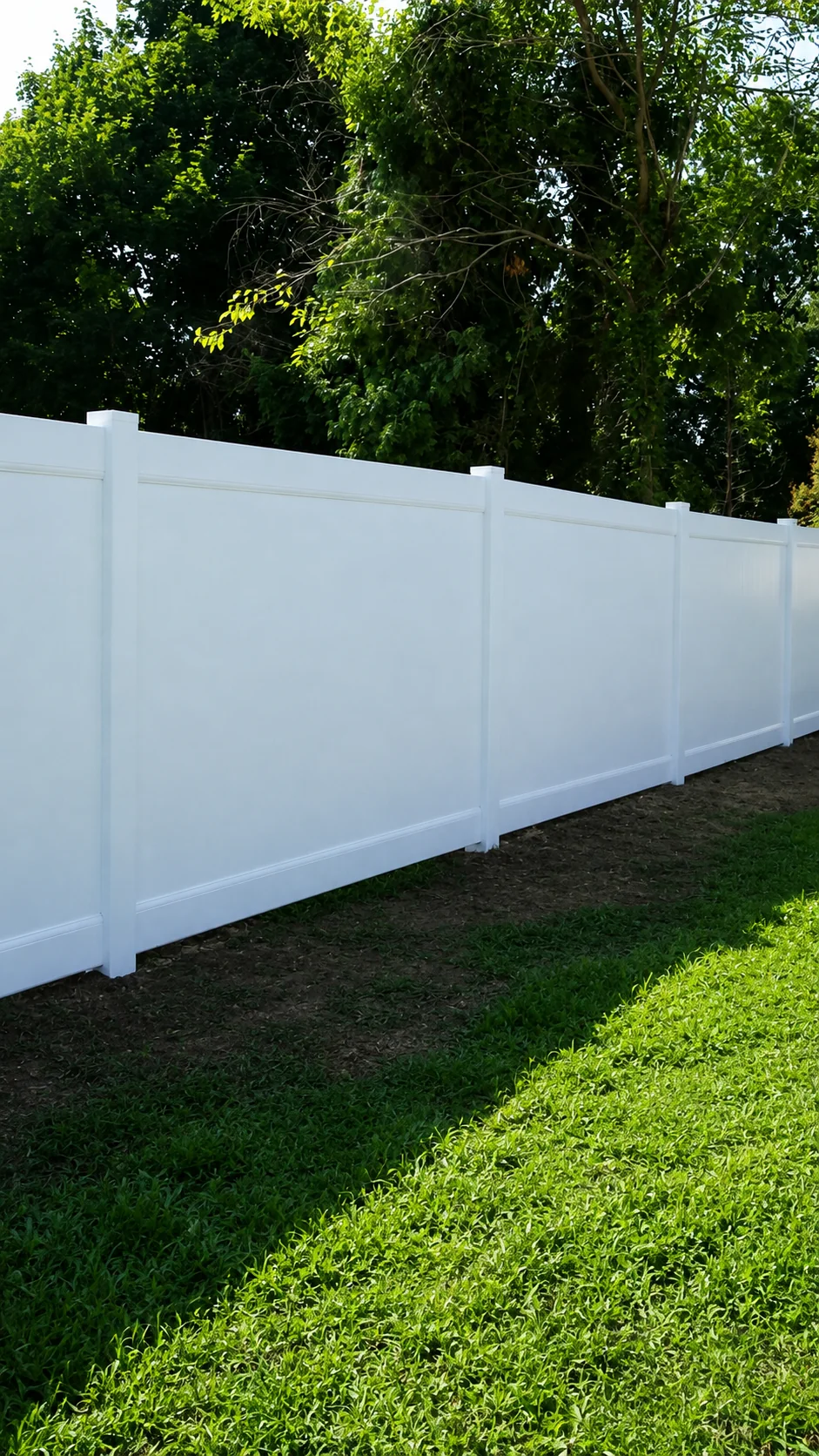
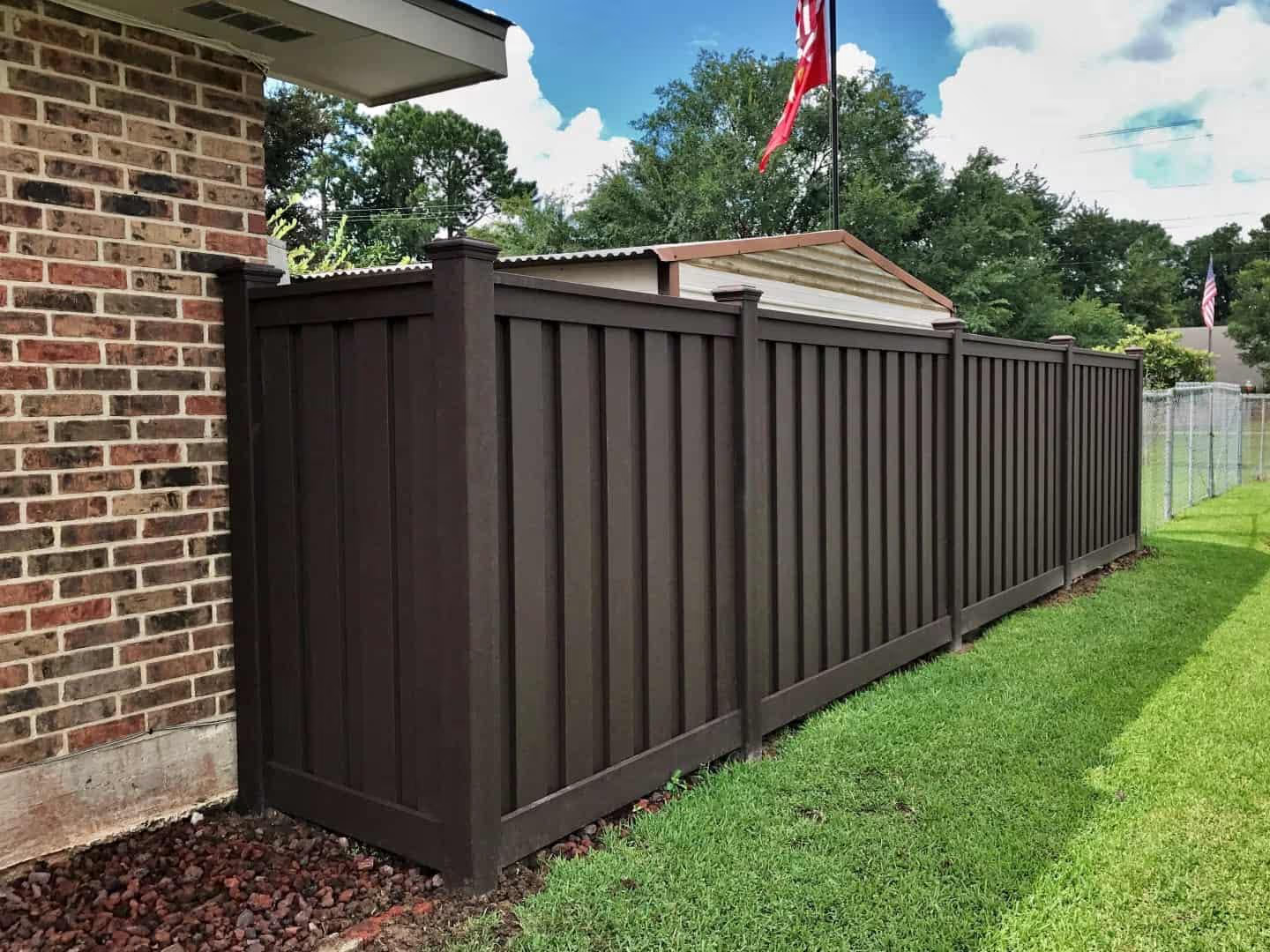
Transform your property with premium vinyl fencing, designed for strength and low maintenance, vinyl fences provide lasting style and dependable performance.
Common in planned areas like Old York Village. Homeowners choose vinyl for its uniform look and low upkeep while meeting local design expectations.
Explore Vinyl Fences
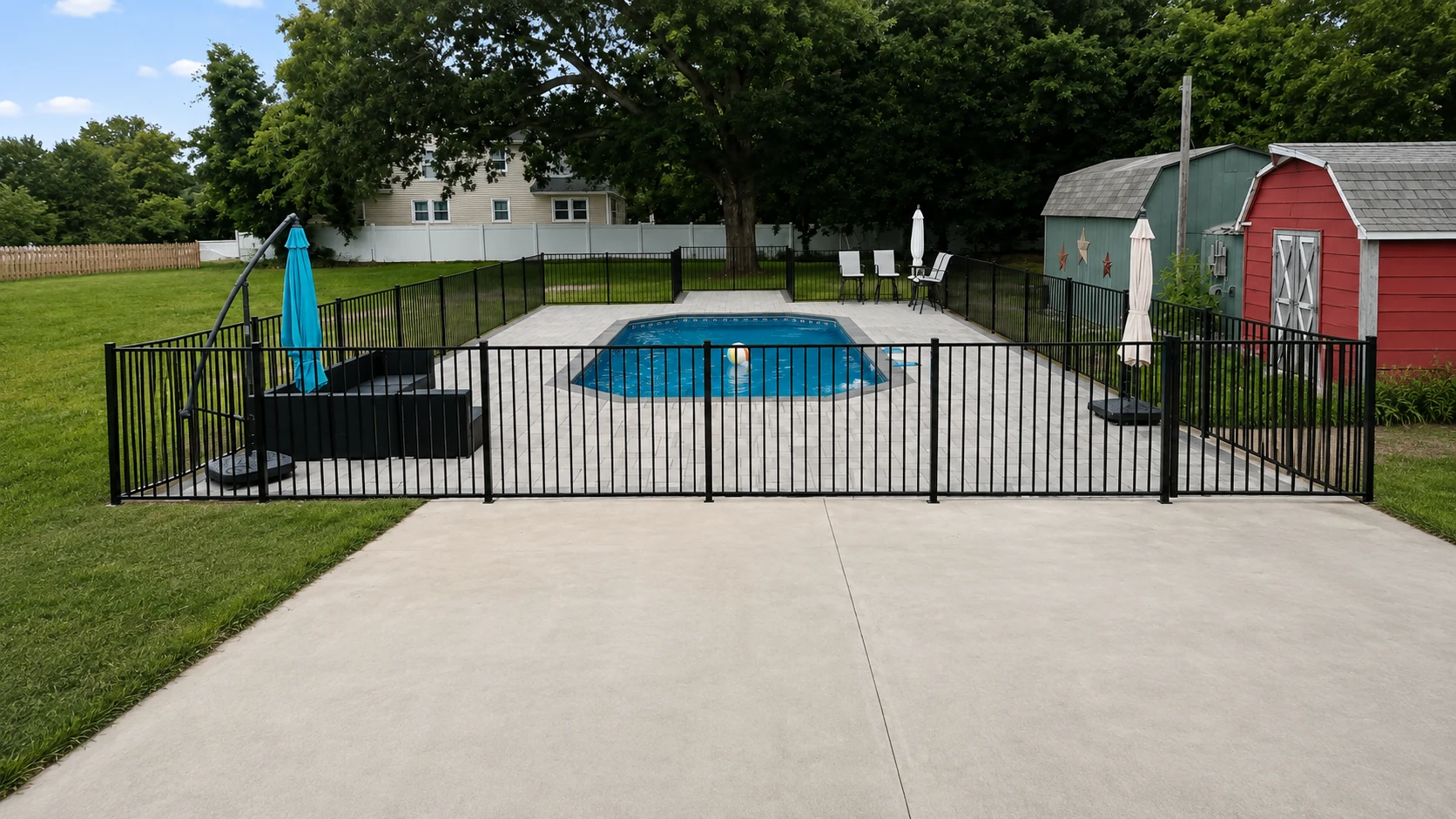
Enhance your property’s appeal and protection with a durable, rust-resistant aluminum fencing. Its elegant, open design works well in residential and commercial settings.
Often used along visible frontages or around pools. It preserves sightlines while satisfying barrier requirements and maintaining architectural compatibility.
Explore Aluminum Fences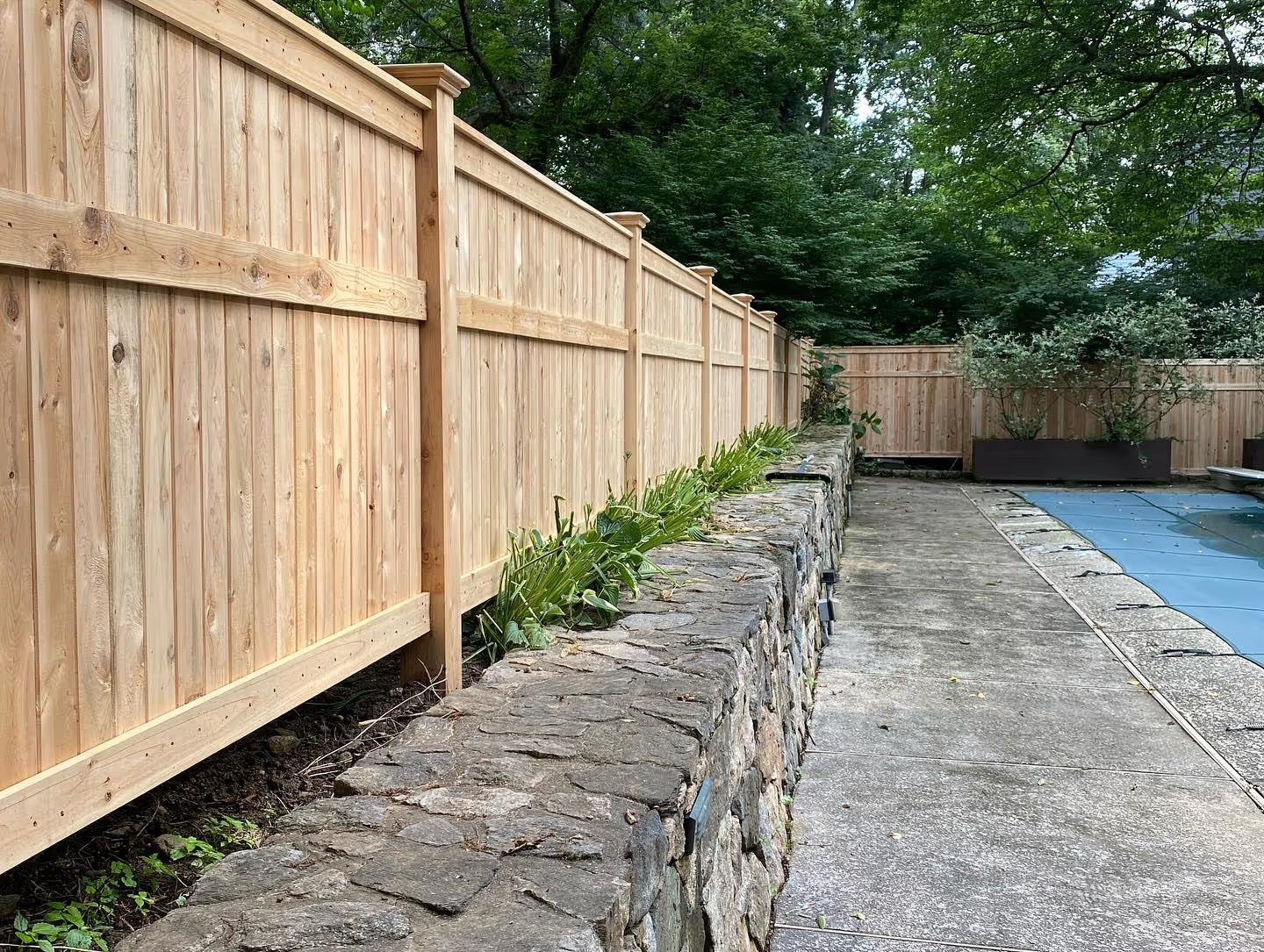
Enhance your property’s appeal and protection with a durable, rust-resistant aluminum fencing. Its elegant, open design works well in residential and commercial settings.
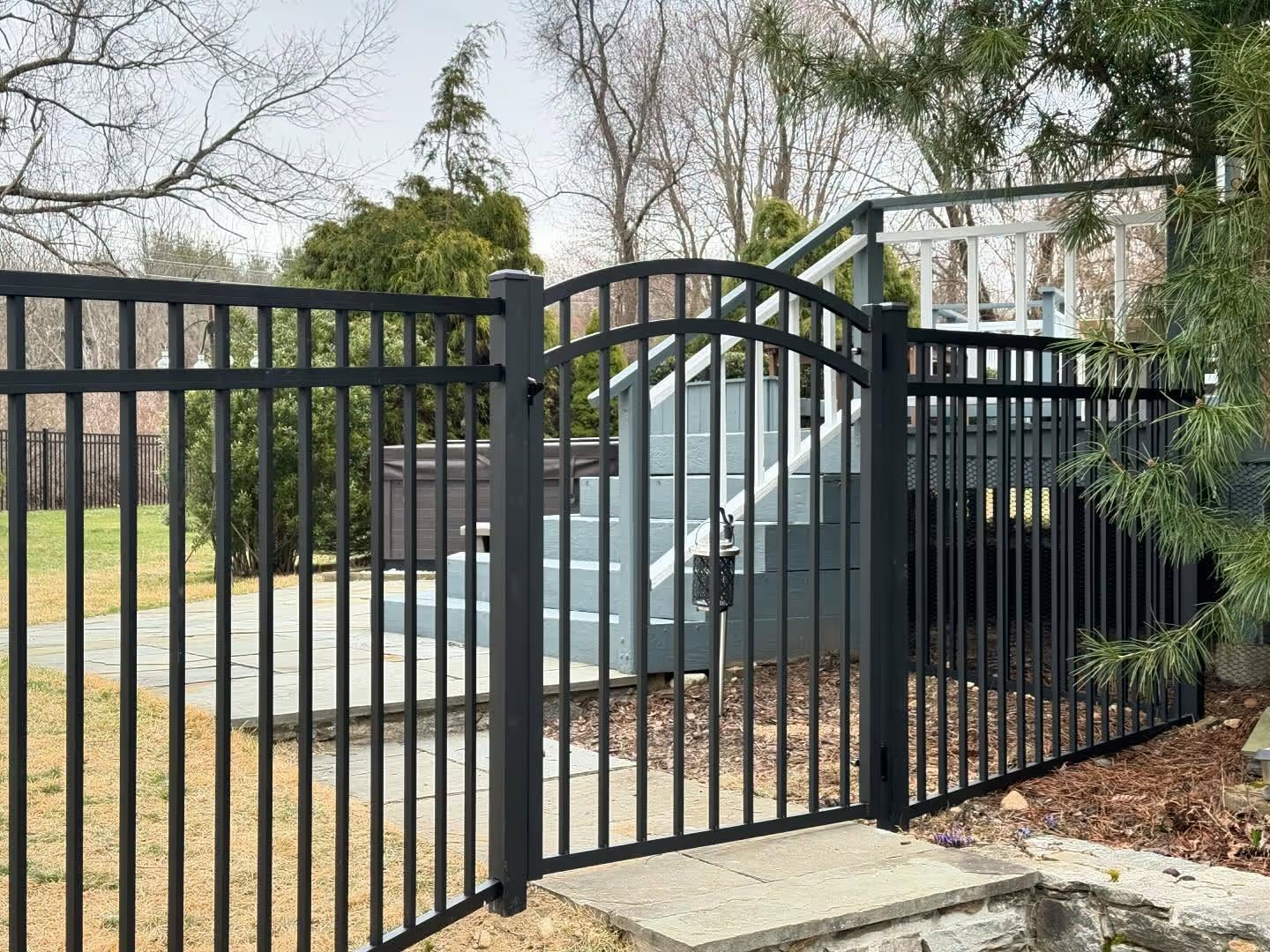
Enhance your property’s appeal and protection with a durable, rust-resistant aluminum fencing. Its elegant, open design works well in residential and commercial settings.

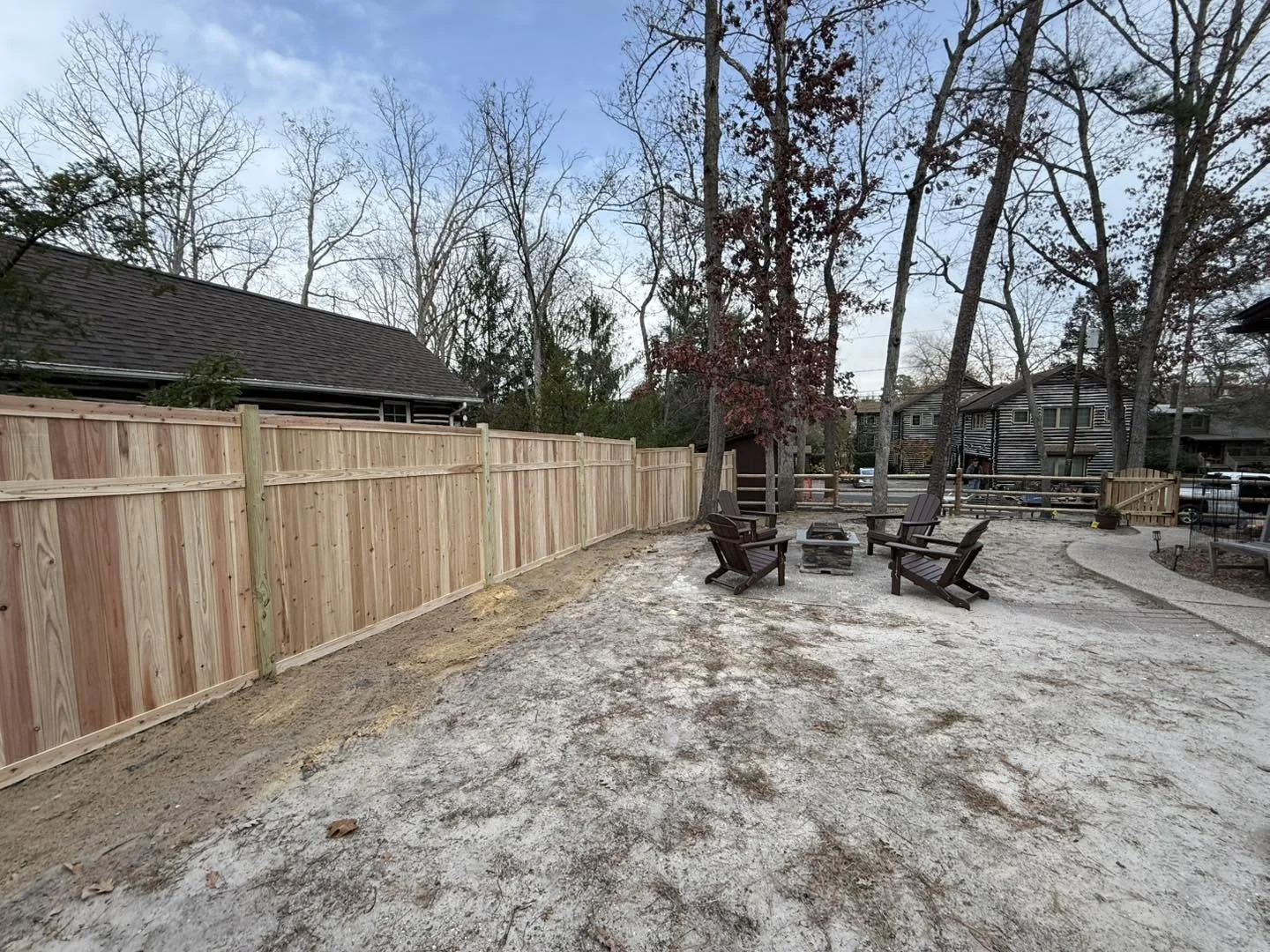
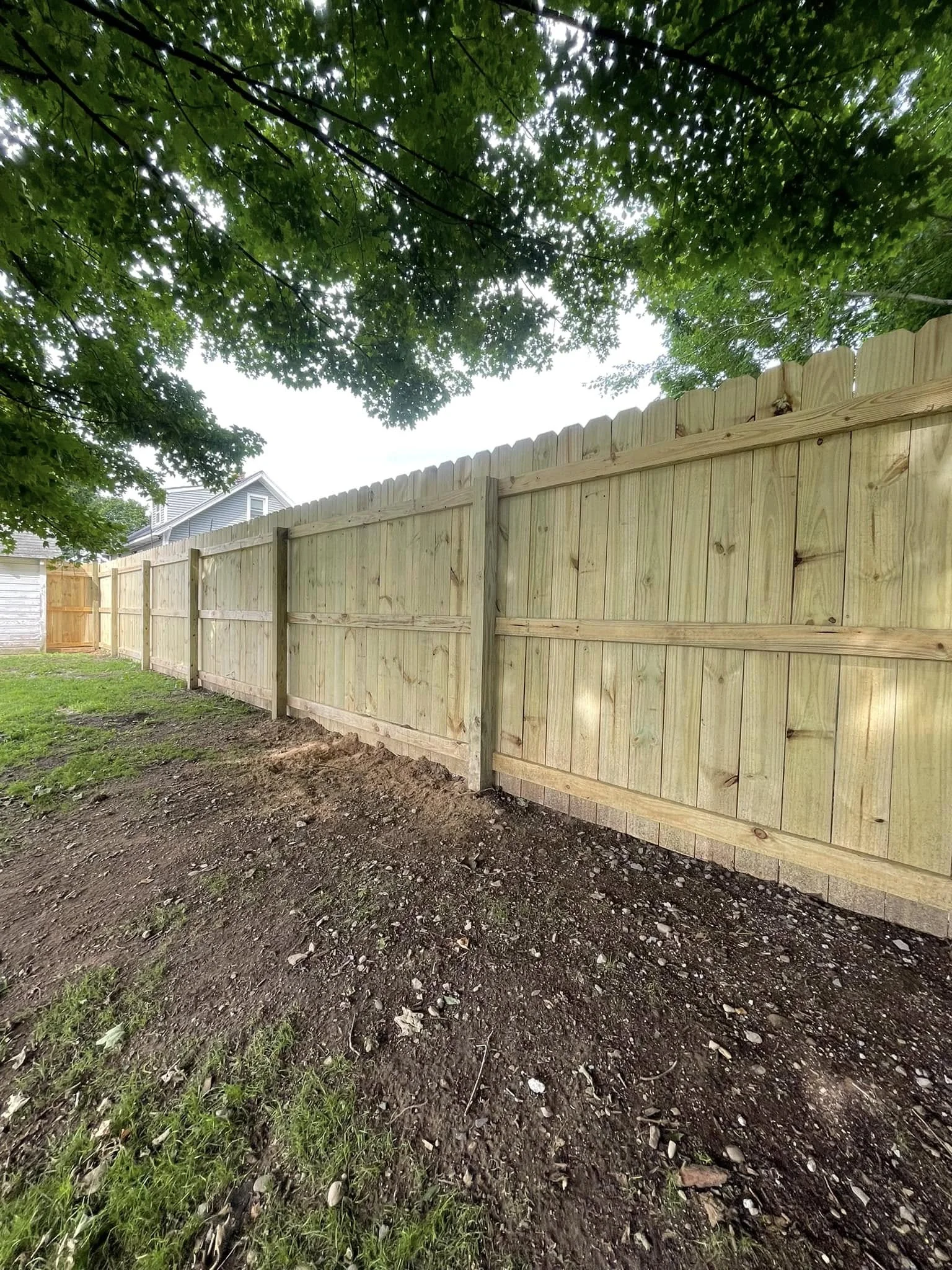
Prefer the natural warmth of wood? We specialize in custom wood fence installations, built from quality cedar or pine for long-term beauty and value.

For a practical, cost-effective option, chain link fences deliver reliable security and versatility for homes, schools, and businesses.

Ideal for large or agricultural properties, ranch-style fences—including split rail and board rail—combine strength, function, and a timeless rural look.

Add convenience and security with custom automatic gates. Sliding or swinging systems feature reliable access control and automation.
Enhance your property’s appeal and protection with a durable, rust-resistant aluminum fencing. Its elegant, open design works well in residential and commercial settings.
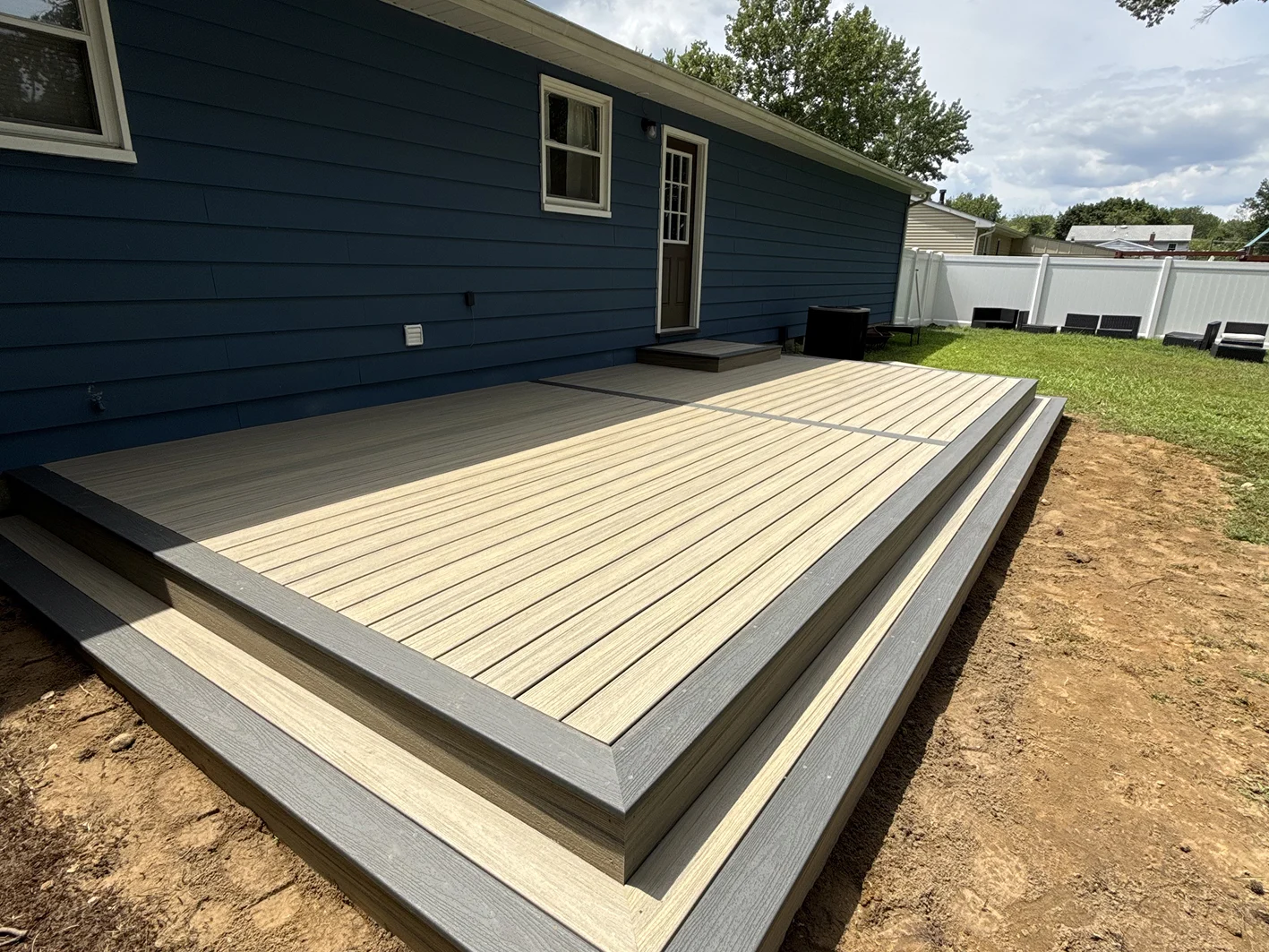
Decks extend yard space on both village and rural parcels. Proper footing depth and layout are key in soil conditions influenced by nearby waterways like Crosswicks Creek.
Explore Deck Installation & Replacement.avif)
See examples of our recent projects

%202.png)
Built for Local Conditions
Fence performance changes by region—what works in Georgia doesn’t always last in South Jersey.Our designs are engineered around South Jersey’s coastal humidity, clay-heavy soil, and freeze-thaw cycles.
Local design considerations we plan for:
%2019.jpg)
Soil type and drainage grade
%2025.jpg)
Coastal humidity and salt-air corrosion
%2029.jpg)
HOA or township height limits
HOA or township height limits
%2028.jpg)
Pool enclosure safety regulations

In Chesterfield Township, projects often span longer lot lines and more open land. Fence runs may stretch farther than in dense suburbs, and wind exposure can be greater near preserved tracts. Clean layout and stable anchoring are key.
Local installation priorities include:
Most fence and deck projects start with zoning review. Applications are filed through the township’s Construction Department, and zoning approval is typically required before work begins. A current property survey or plot plan is often needed to show exact placement.
Homeowners should confirm:
If zoning is denied, a variance may require Planning Board review.
Chesterfield requires a zoning permit for fences and walls. A construction permit is usually not required unless the fence serves as a pool barrier.
In many residential areas:
Fences must stay outside setbacks, avoid easements, and not block sight triangles.
Pool fences must meet New Jersey Department of Community Affairs standards under the NJ Uniform Construction Code. Typical requirements include:
Pool installations require permits and inspection.
Decks require a construction permit under the NJ Uniform Construction Code. Inspections usually include footing depth below the frost line, framing review, and final approval. Ledger boards, guardrails, and stair layout are commonly checked.
Some parcels fall under farmland preservation or deed restrictions. In areas like Old York Village, HOA approval may also apply. HOA review does not replace township zoning approval.
Zoning review comes first, then construction permits where required, followed by installation.
Every Tri-State Fence & Deck project follows the standards required by South Jersey township and county codes—from post depth and frost line clearance to concrete set times and gate spacing.
Our crews follow a structured checklist developed over 20 years of regional experience to ensure your fence or deck passes inspection and stands the test of time.
What defines our craftsmanship:
Posts set to South Jersey frost depth (typically 30"–36" minimum, depending on township)
Concrete mixed and cured per ASTM fence-post standards.
Vinyl and aluminum rails reinforced with steel or aluminum inserts where required.
Deck framing built with weather-rated fasteners and NJ-approved joist spacing
Site cleanup and gate alignment were verified before the customer walkthrough.


Projects in Chesterfield Township begin with review, not digging. Because township permits are required for fences and structural work, sequencing matters. Our process keeps each step organized and aligned with township standards.

We start with an on-site review of lot lines, survey markers, and easements. On larger parcels, long perimeter runs are mapped carefully. In places like Crosswicks, the frontage and setback must be set before the layout is finalized.

Plans are aligned with township zoning requirements and submitted as required. If the project involves a deck or pool barrier, construction permits are coordinated under the NJ Uniform Construction Code. HOA review is addressed where applicable.
Once approvals are secured, installation proceeds in a controlled sequence. Posts are set to proper depth, panels aligned across long runs, and gates reinforced. Before completion, spacing and stability are reviewed to ensure the build meets both structural and zoning expectations.
Are you looking for a partner to help you take your outdoor aspirations from dream to reality? Contact us today, and we will be in touch soon to help you get started with the initial details.
✓ Open Today | 7 AM–5 PM 📞 (484) 532-4655 — Same-day estimates available 📍 Serving: Elk Township, Clayton, Glassboro, Harrison Twp, South Harrison Twp, Upper Pittsgrove
Many properties sit along preserved farmland or near open buffers. Long fence runs face steady wind pressure. Village parcels require clean placement along sidewalks and setback lines.
Soil conditions can also vary, especially closer to Crosswicks Creek, where moisture levels may remain higher after rain. Larger lots may require wider equipment access and longer layout lines.
Planning for wind pressure, soil stability, and extended fence runs helps ensure structures remain level and secure over time.

%2013.png)
%2016.png)
