%203.png)
%205.png)
%201.png)
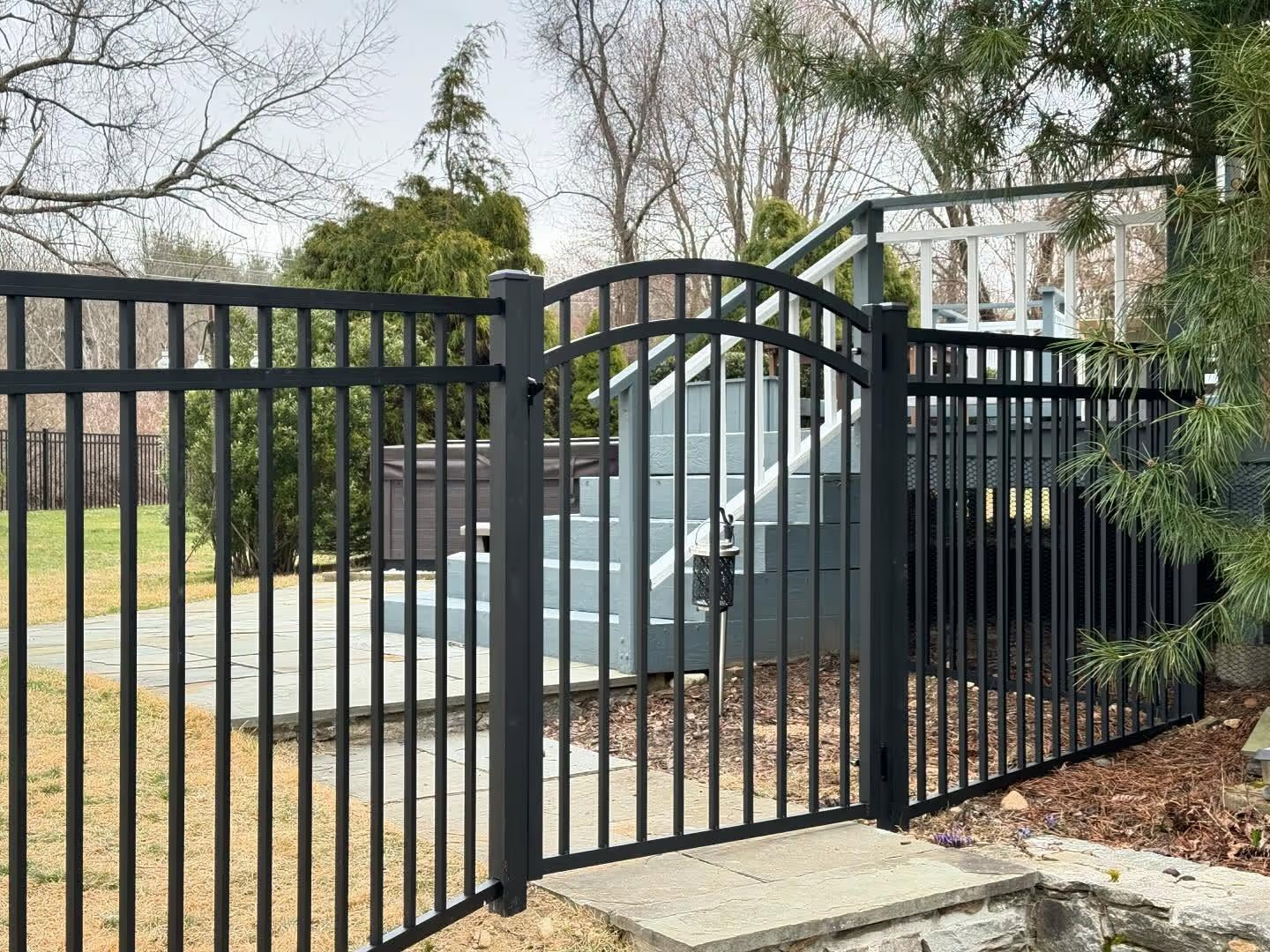
Installing or repairing a gate in South Jersey demands thoughtful planning for access, safety, and local conditions. Tri-State Fence & Deck offers exceptional gate services for both homes and businesses across South Jersey and the surrounding areas. Our systems are built for everyday use, meet code requirements, and ensure lasting reliability.


Gate needs vary by property type, access patterns, and local conditions across South Jersey. The sections below outline how those needs typically show up—so you can identify what applies to your property before diving deeper.
Gate problems in South Jersey are usually due to layout issues, not hardware. Soil movement, driveway slope, zoning rules, and daily use all affect how a gate performs. At Tri-State Fence & Deck, our gate services reflect the needs of real properties in Gloucester, Camden, and Burlington Counties. We don’t use generic layouts copied from elsewhere.

Best for: Homes and light commercial properties with vehicle access
Driveway gates control vehicle access to and from a property. In South Jersey, driveway length, slope, and nearby sidewalks often affect placement and alignment. These gates must open and close the same way every day to stay reliable.

Best for: Properties with enough space for inward or outward opening
Swing gates are common in residential driveways with a clear opening. Local factors such as driveway pitch, wind exposure, and setback limits often determine whether a swing gate will work long term.

Best for: Short driveways, shared entrances, and tight spaces
Sliding and rolling gates are used where swing clearance is limited. On many South Jersey properties, drainage, surface conditions, and debris can affect how these gates move and stay aligned.

Best for: Properties needing consistent, hands-free access
Automated gates support frequent entry and exit. Once a gate is motorized, it becomes a load-bearing system. Structural support, gate safety features, and code rules all matter, especially when automating an existing gate.
Our Gate Installation & Repair Process

Gate Structure & Site Evaluation
We assess driveway layout, slope, clearance, and local rules to confirm the gate structure your property can support safely over time.
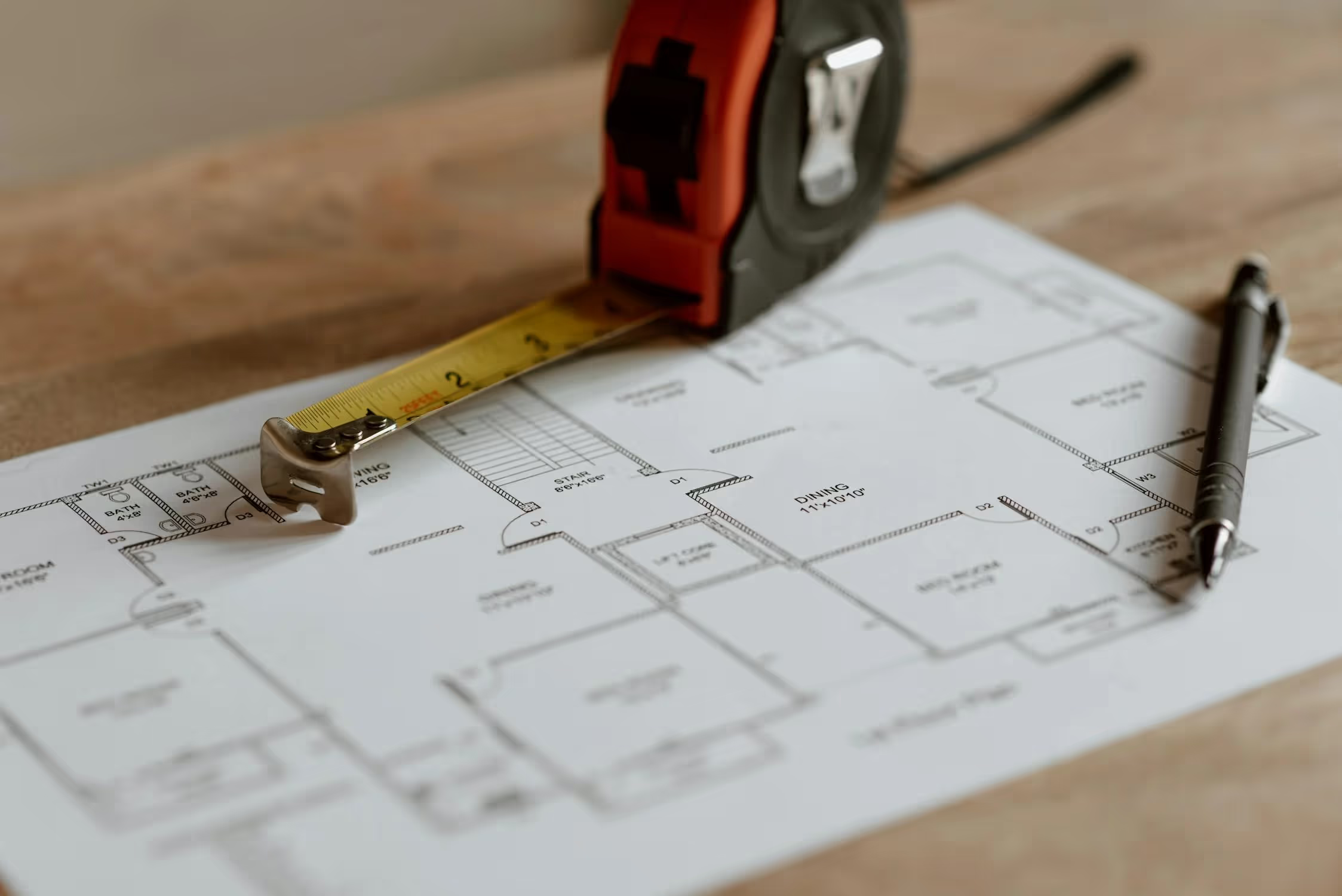
Access Control & Operator Planning
If automation is needed, gate operators and safety requirements are evaluated separately to ensure compatibility with the gate’s structure and daily use.

Coordinated Installation & System Review
The gate and, if applicable, the operator are installed and reviewed as a complete system for smooth operation, safety, and long-term reliability.
Every gate we install or repair is shaped by the property it serves. From residential driveways to shared-access and commercial sites, our completed projects reflect real layouts, real constraints, and real daily use. This section highlights recent gate work completed by Tri-State Fence & Deck across South Jersey—each planned for safety, access, and long-term reliability.


What Commercial Clients See in the Final Install
Feedback highlights on‑time installs, clean alignment, and easy upkeep—practical wins that match project goals for South Jersey properties.
Whether you’re planning a new gate, fixing an existing one, or exploring automation, our team is here to help you make the right call for your property. We’ll review your layout, access needs, and local requirements—then walk you through clear next steps.
