Vinyl, wood, aluminum, and gate installations planned for large properties and township rules.
%203.png)
%205.png)
%201.png)

Cumberland County combines city neighborhoods with large rural properties and open land. In places like Vineland, Millville, and Bridgeton, projects often involve replacement fencing on established lots. Outside the cities, homeowners plan long fence runs, driveway gates, and boundary lines across acreage. Water, drainage, and soil conditions also affect layout and post setting. Tri-State Fence & Deck works across the New Jersey county to plan fences and gates that fit the land, access needs, and township requirements from the start.

Projects across Cumberland County vary by land size, access needs, and township rules. Select your community to see what’s commonly built and what local conditions apply.

Established neighborhoods, replacement-focused projects
Long runs, access control, perimeter planning
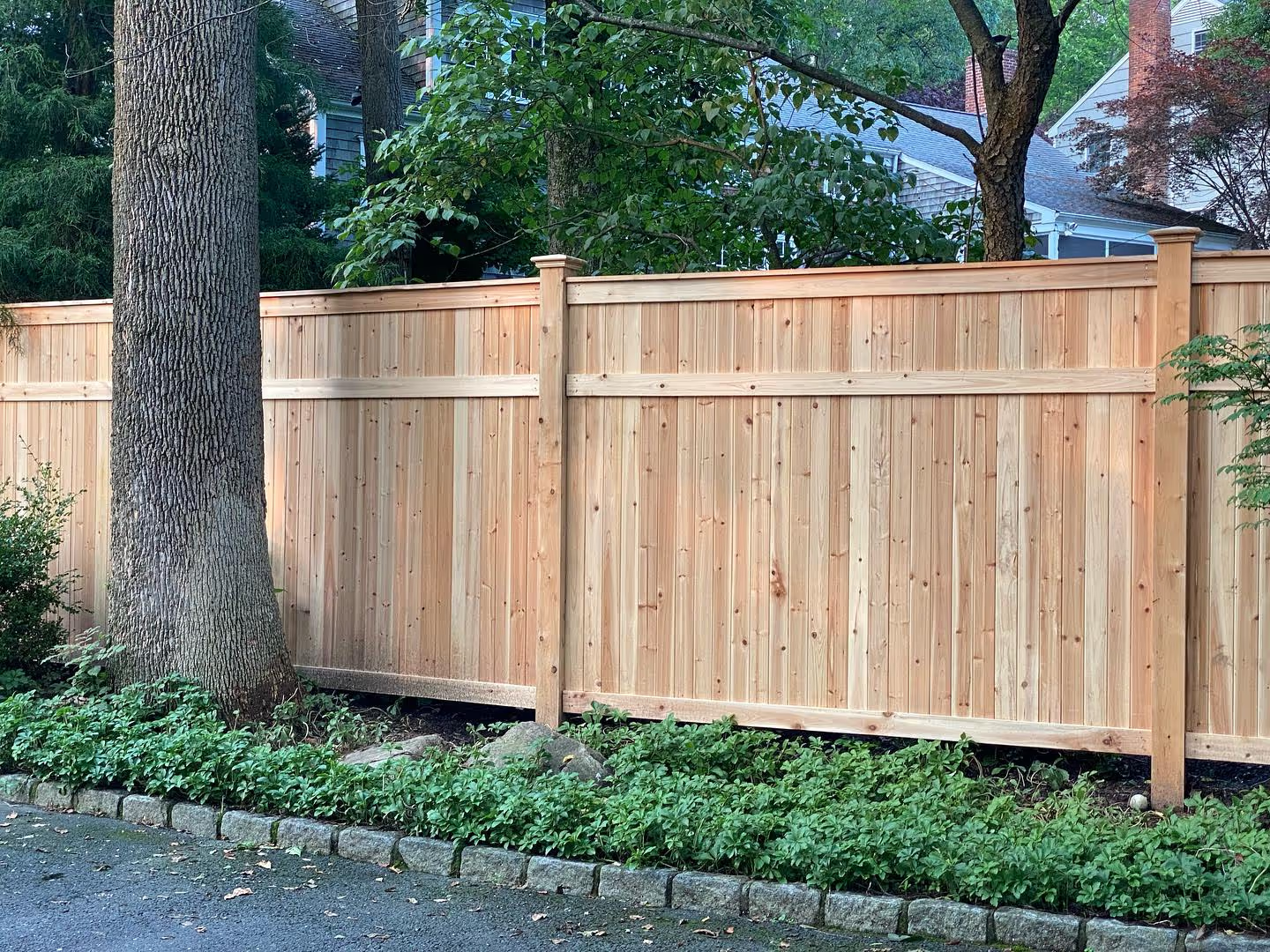
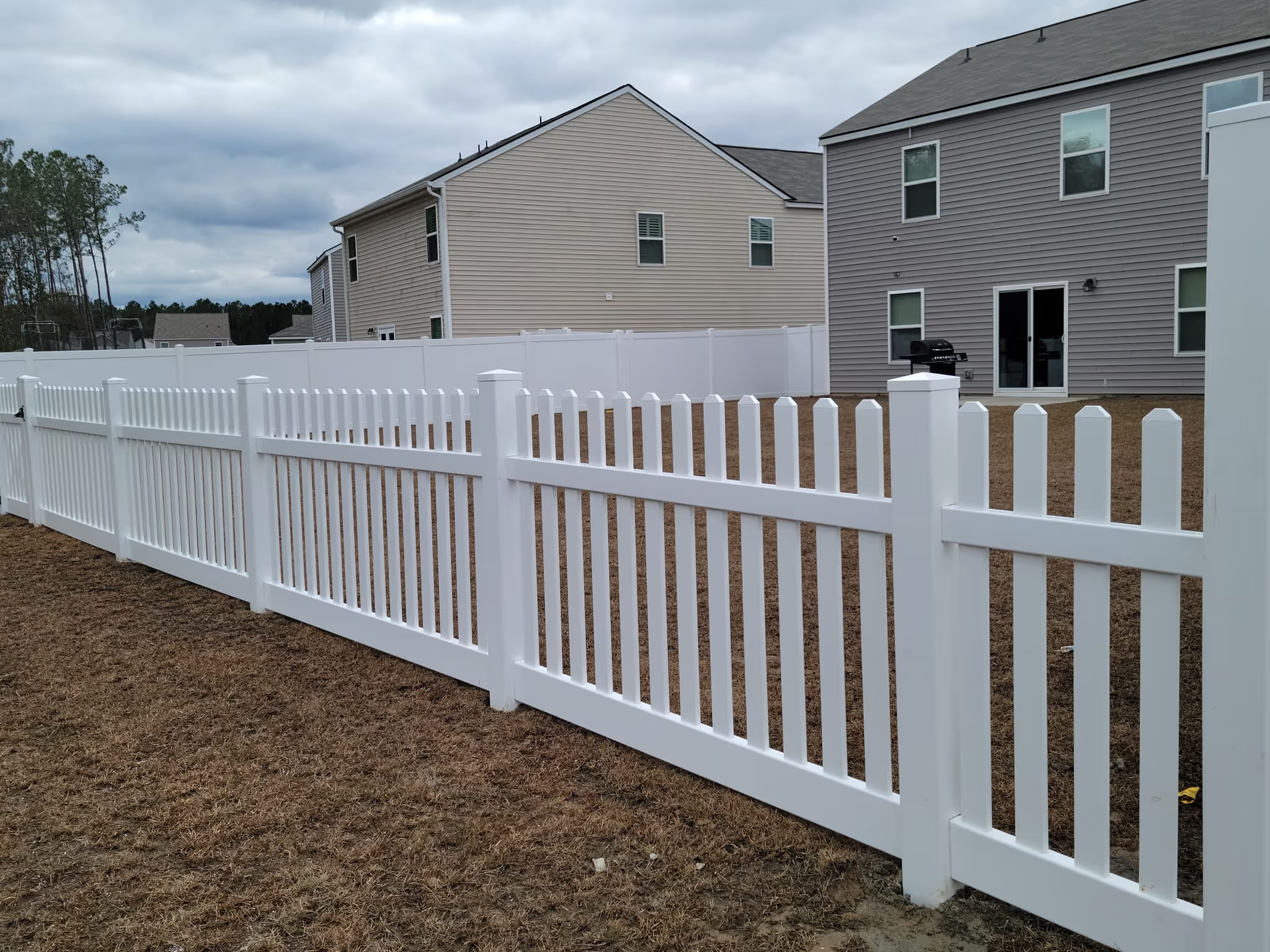
Placement-sensitive projects
Simple layouts, replacement work
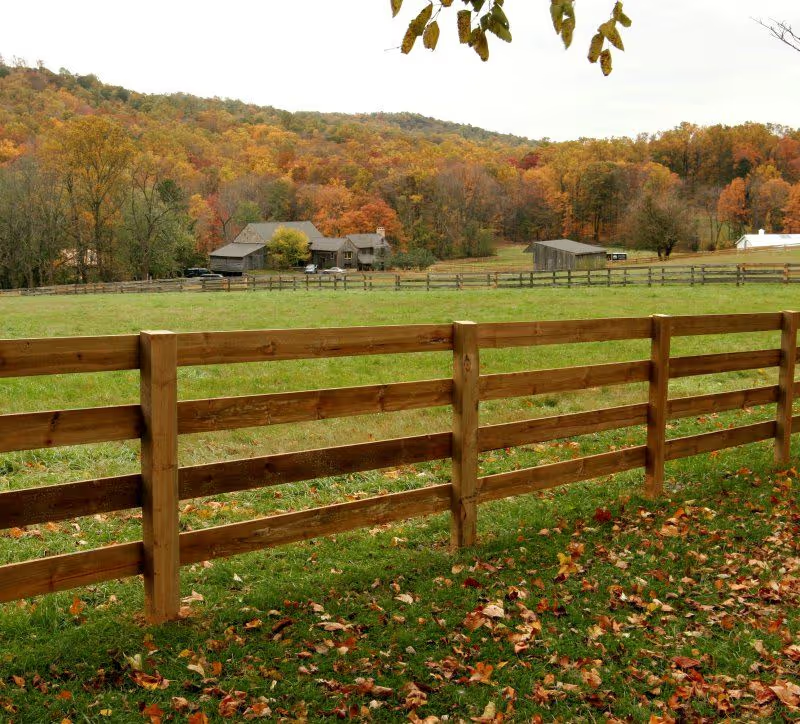
Tri-State Fence & Deck plans around soil, water flow, and land use so fences remain stable, aligned, and usable long term.
.avif)

Township zoning offices make case-by-case decisions. Fence and deck permits are issued locally, not countywide. In places like Vineland, Millville, and Bridgeton, zoning officers review how a property is used, how it fronts a road, and how fencing affects access.
Fence height is reviewed in context, not in isolation. Rear and side yards often allow up to 6 feet. Front-facing fences are typically limited to 4 feet, but acreage and road frontage may affect how those limits apply.
Deck permits focus on structure and safety. Decks are reviewed under New Jersey’s Uniform Construction Code, with inspections focused on footings, framing, and attachment rather than appearance.
HOAs are uncommon; zoning carries more weight. Most Cumberland properties are not HOA-controlled. Instead, township zoning review becomes the main approval gate, especially on large or mixed-use parcels.
Utility clearance still applies on open land. All digging must be cleared through New Jersey One Call (811), even where utilities appear widely spaced.
Tri-State Fence & Deck plans projects around township review processes to ensure approvals align with how the land actually functions.
Project Highlights
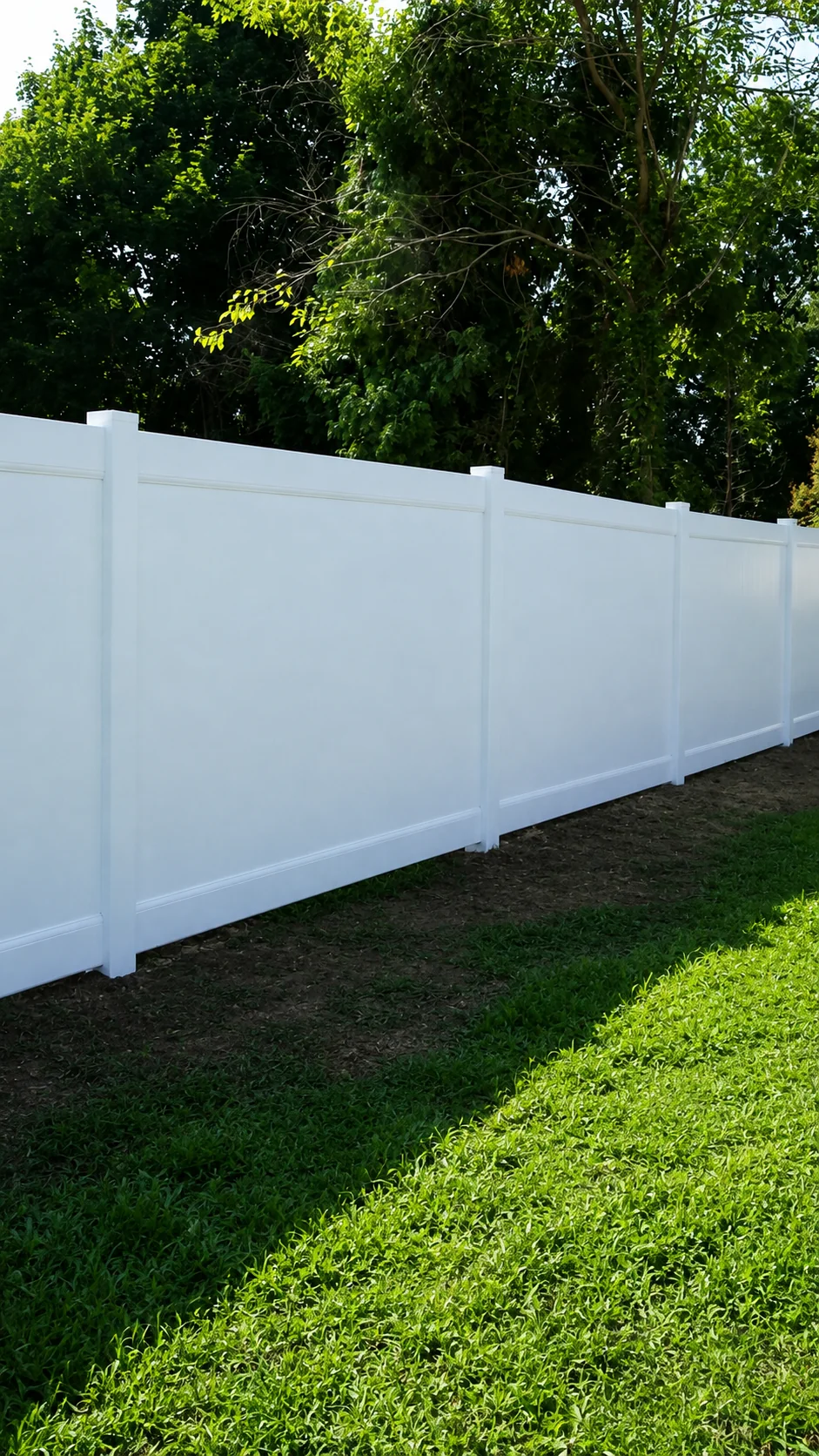


Experience across Cumberland’s city and rural properties
Projects are planned to fit how land is used, from established neighborhoods in Vineland and Millville to larger parcels outside town centers.
Licensed, insured, and built for real conditions
Every project must comply with zoning and construction regulations. Installation methods depend on open land, long spans, and changing ground conditions.
Work that holds up over distance and time
A 3-year workmanship warranty covers post installation, structural alignment, framing, and installation quality.
This is especially important for long fence runs and access points.
Clear planning when approvals depend on context
One team manages layout, zoning coordination, and installation. This reduces delays caused by township reviews based on land use and frontage.
Projects near county lines often share similar lot sizes, drainage patterns, and access needs. Along with work throughout Cumberland County, Tri-State Fence & Deck also supports nearby areas in Salem County, Atlantic County, and parts of Cape May County when project scope and local requirements align.
Are you looking for a partner to help you turn your outdoor aspirations into reality? Contact us today, and we will be in touch soon to help you get started with the initial details.
