%203.png)
%205.png)
%201.png)
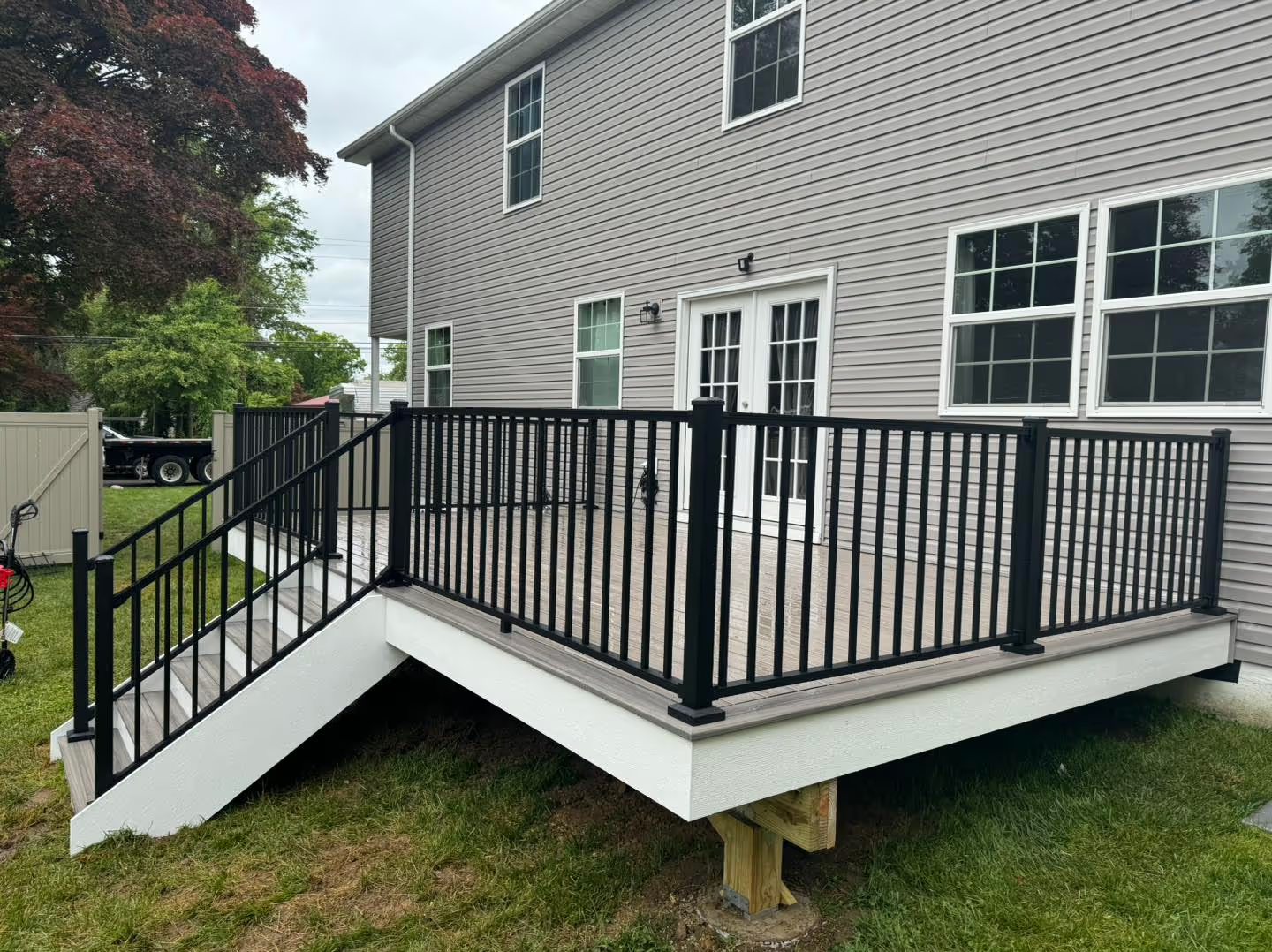

Most homeowners don't think about soil when they choose decking. They should.
The Tri-State region shares three things: humidity, freeze-thaw cycles, and wet springs that test every material you put in the ground. A wood deck works against itself from year one—boards absorb moisture, warp, pop fasteners, and check stringers. Staining buys time. It doesn't stop the process.
That’s why Tri-State Fence & Deck, a licensed contractor in Sewell, NJ, builds with Trex. They have 20 years of experience in this region. Capped composite boards don't absorb moisture like wood—no swelling, no cupping, no fastener pop. The surface you build today still looks the same a decade from now.
Not all Trex is the same. The line you choose determines board texture, edge protection, color depth, and warranty tier.

Warranty: Trex limited residential warranty (verify current terms at trex.com)
Trex's entry composite line—solid, low-maintenance performance at the most accessible price point. Best for ground-level builds and projects where coverage area is the priority.
Warranty: Trex limited residential warranty (verify current terms at trex.com)
Fully capped on all four sides, protecting board edges from moisture infiltration—the primary failure point of entry-level composites. Strong performer across NJ's humidity and PA's freeze-thaw cycles.

Warranty: Trex's longest limited residential warranty tier (verify current terms at trex.com)
Trex's premium line—deepest grain profiles, widest color range, longest warranty tier. Integrates with Trex Transcend railing systems for a fully coordinated build. Best for primary outdoor living spaces.
.avif)
Applied to all grooved-profile Trex boards by Tri-State
Eliminates visible screws from the deck surface and provides the thermal expansion gaps required by Trex's installation specs. Standard on every grooved-profile Trex project we build.

A composite deck is only as good as the standards behind it. Here's what we hold ourselves to on every Trex build.
We're based in Sewell, NJ, and build Trex decks across the full Tri-State region—six New Jersey counties, Southeastern Pennsylvania (including Montgomery, Delaware, and Chester Counties), and New Castle County in Delaware. If you're within the region, chances are we've built nearby.
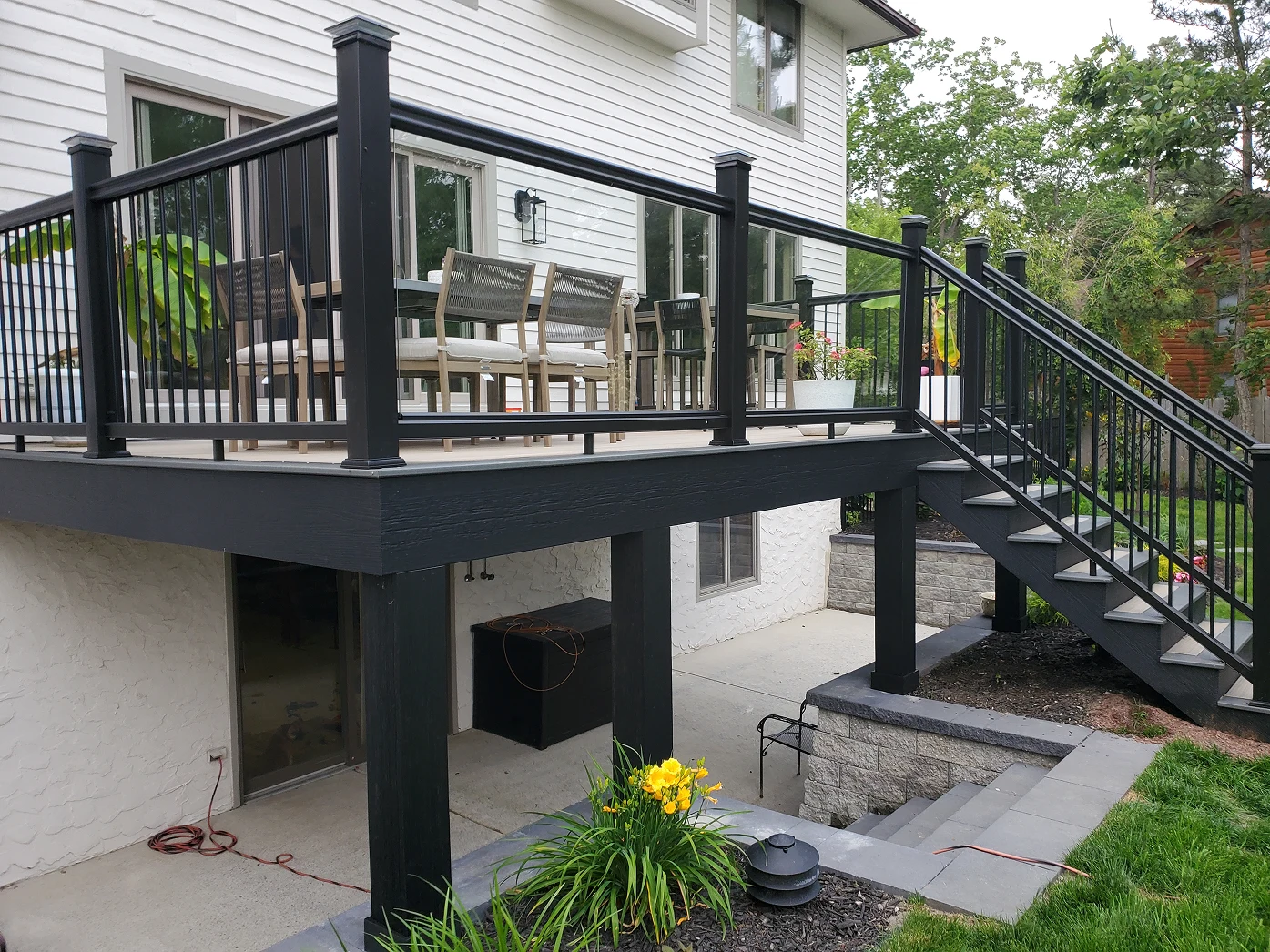
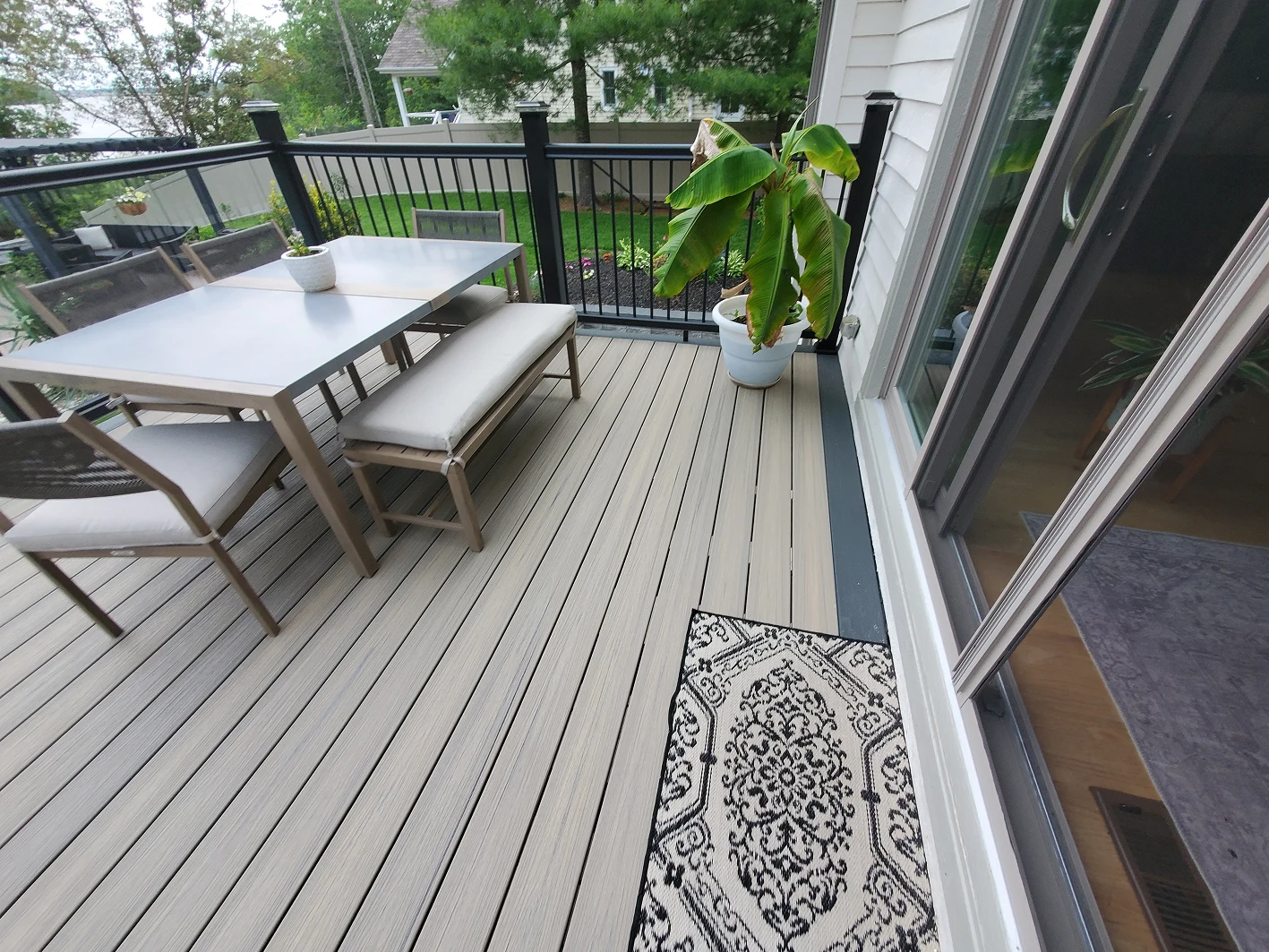
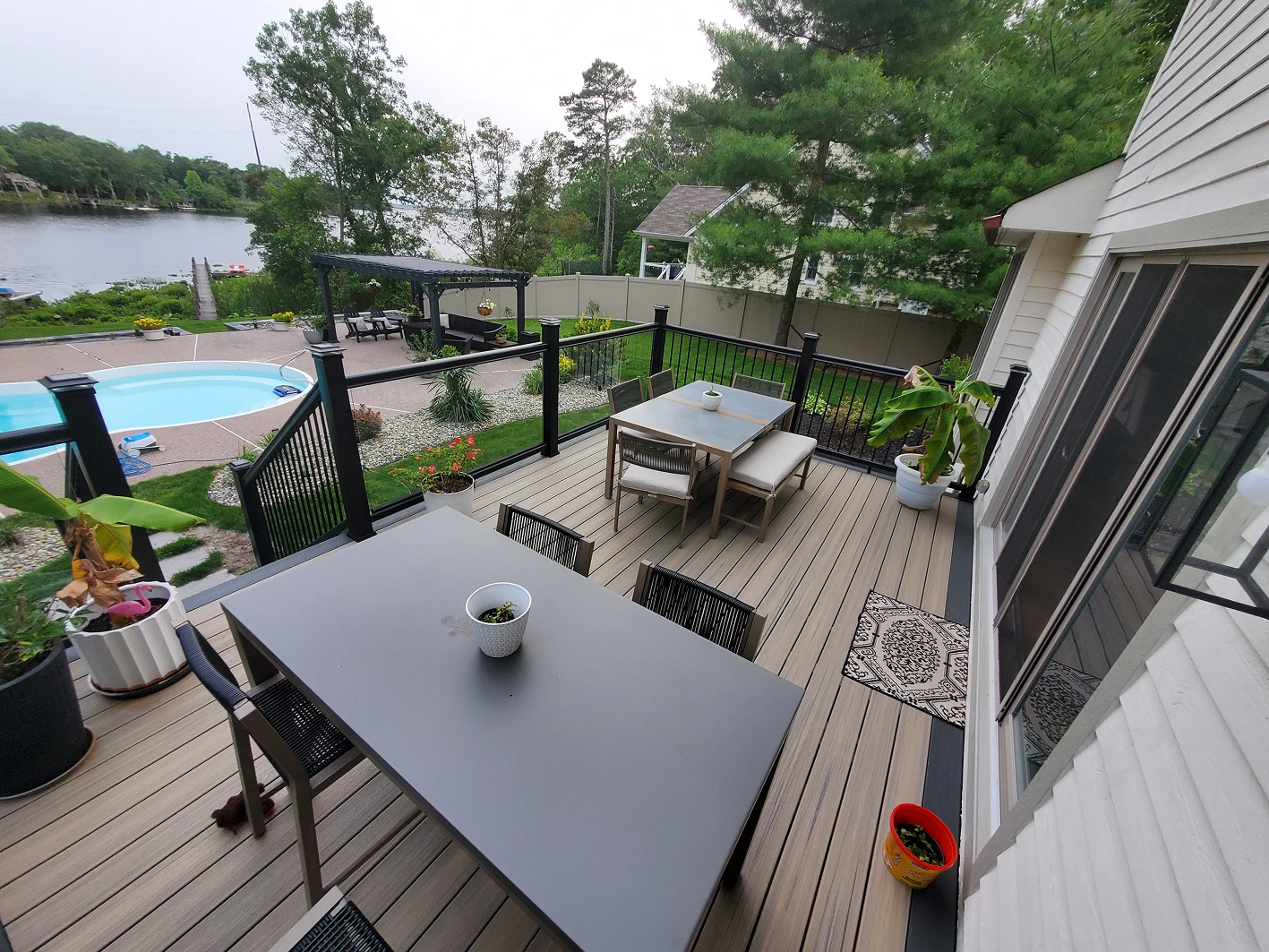
A sample of recent composite deck work across the Tri-State region.

Twenty years. Hundreds of decks. Every township permit office from Washington Township to Cherry Hill to Moorestown—we know the inspectors, the timelines, and the code interpretations by name. Tri-State Fence & Deck isn't a referral network. It's one crew, one standard, built on two decades of showing up and finishing the job.
Requirements vary by state and municipality. Here's what applies across the region we serve.
Simple, Transparent & Local
We handle permits, township rules, HOA notes, and utility marking so your composite deck project moves forward without surprises.

Plan & Measure
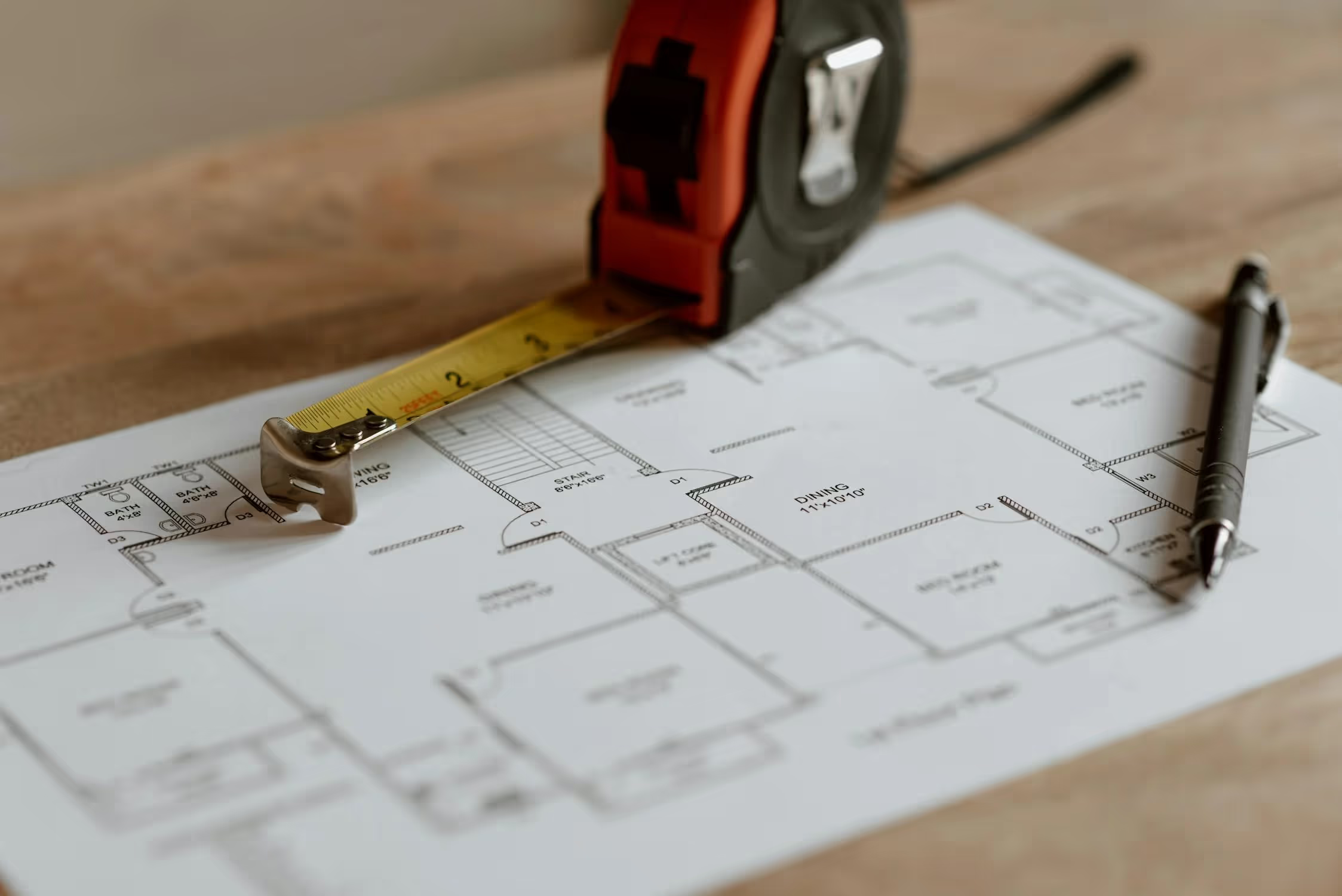
We visit your property, measure your deck footprint, confirm setbacks and HOA requirements, and review site conditions. You get a written estimate valid for 30 days.
Schedule & Build
With your approval and 50% deposit, we select your Trex line on-site, pull permits, and coordinate 811 utility marking. Most builds start within 2–3 weeks.

Walkthrough & Warranty
We complete a full site cleanup and walk the finished deck with you. You receive your 3-year Tri-State workmanship warranty—stacked on Trex's manufacturer warranty.
Whether you're installing a Trex privacy deck, securing a pool surround, or planning a full outdoor living upgrade, our team is ready to guide you from permit to walkthrough.
