Vinyl Fence Materials & Options

Vinyl outsells every other fence material we install across South Jersey, Southeastern Pennsylvania, and Northern Delaware. For most properties, it is also the lowest-maintenance option that still meets local code and HOA requirements. It handles humid summers, freeze-thaw winters, and association color rules. It never needs paint, stain, or sealing.

A fence that looks clean after ten summers in Cherry Hill (no sanding, no repainting) is why most homeowners in the region stop considering wood.

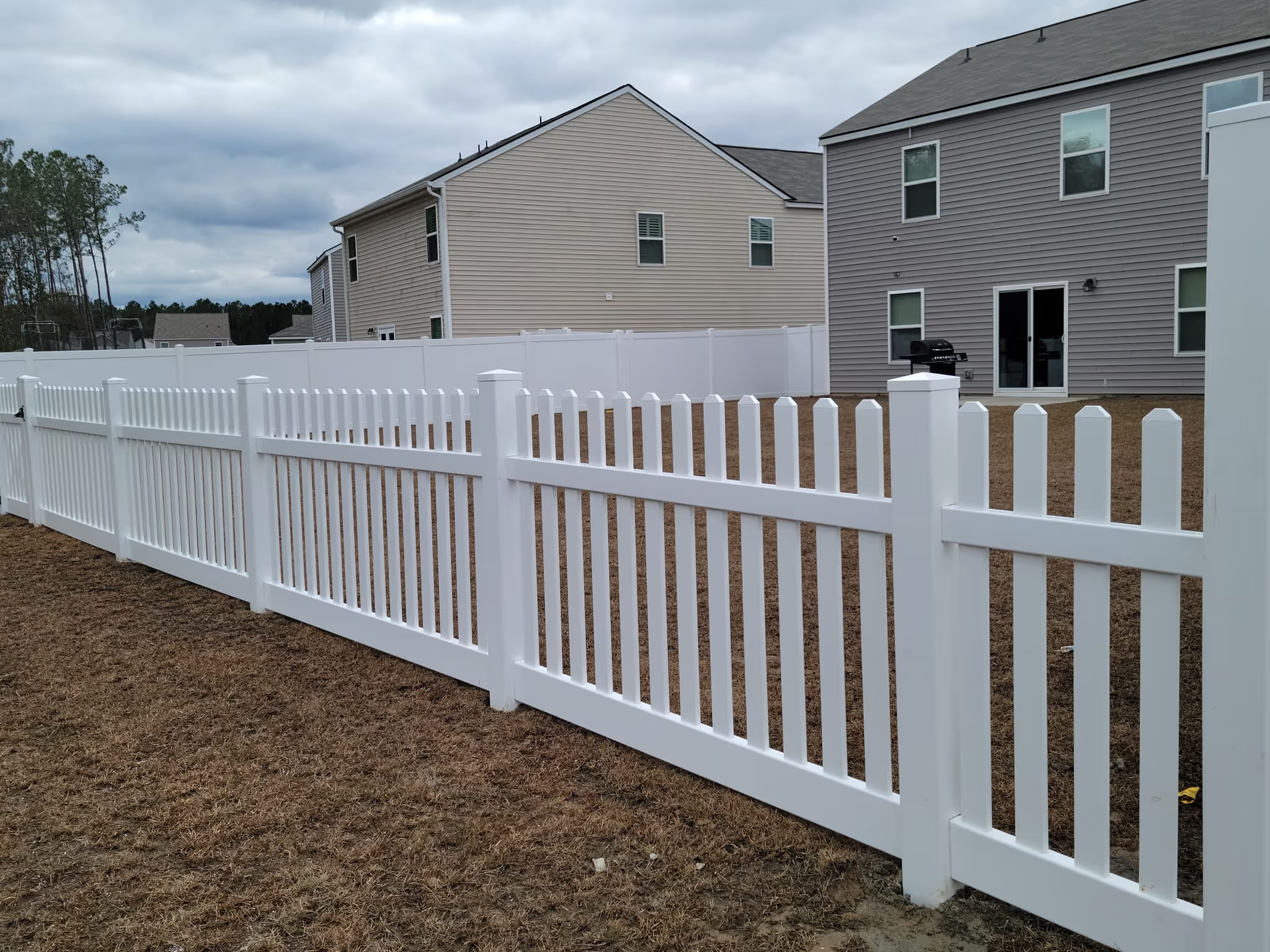
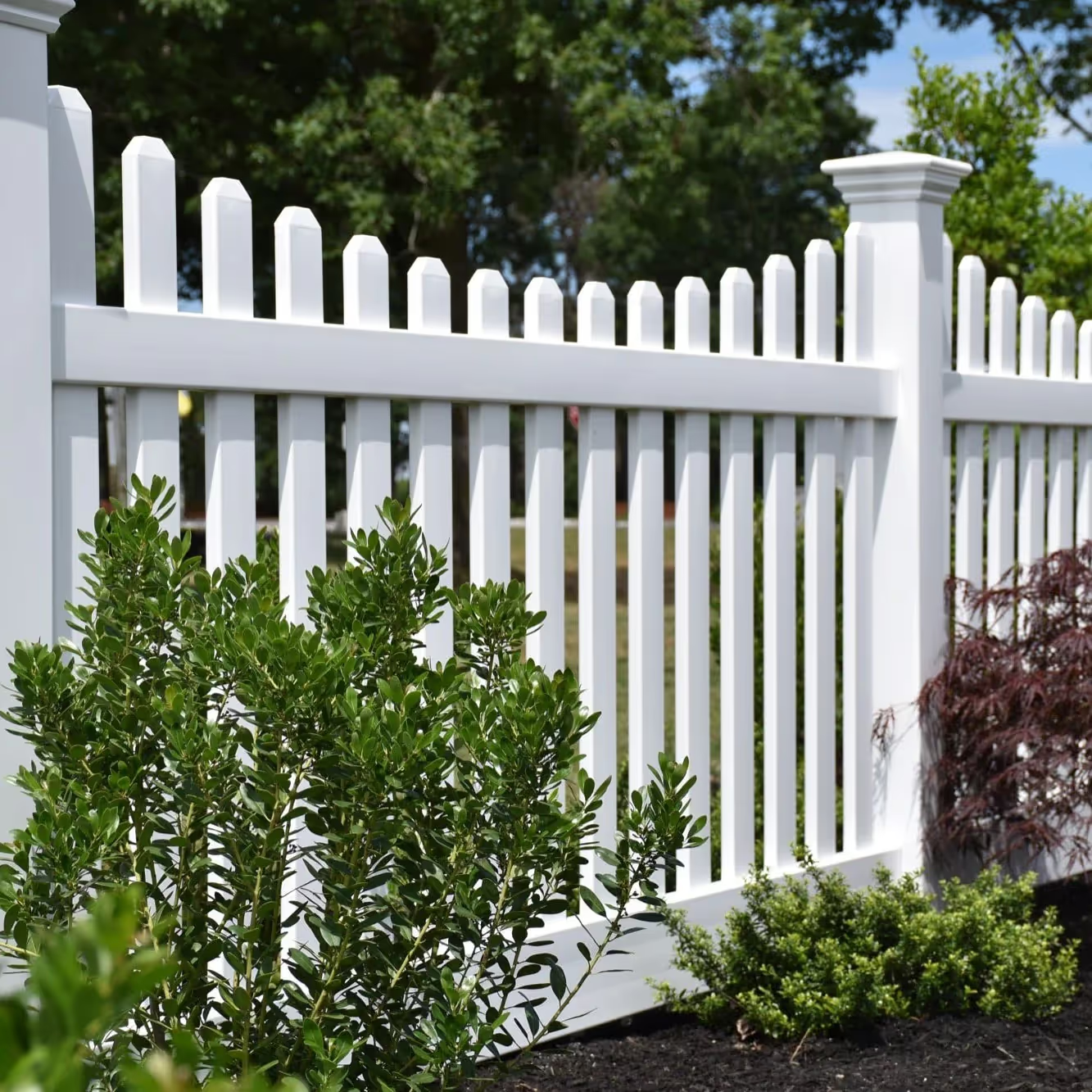
White vinyl privacy fencing is what most homeowners call us about first. But vinyl goes further than most homeowners expect: decorative picket styles for front yards, pool-compliant enclosures, ranch-style perimeters on larger Burlington County lots, and two-tone combinations built for newer South Jersey subdivisions.

Tri-State Fence & Deck has been installing vinyl fencing across the tri-state region for nearly 20 years. A 3-year transferable workmanship warranty backs every installation and follows the same standards: posts set to the proper frost-line depth, concrete footings, and wall-thickness specs, which we will put in writing.

Contact Us

Success! Your quote request was submitted.
You will hear from one of our team members shortly.

Table of Contents

Tri-State Fence & Deck Inc. License #13VH13604500.

Vinyl Styles That Match How You Actually Use Your Yard

The right vinyl style depends on function, HOA rules, and lot shape. In that order.

Explore all vinyl fence styles

Vinyl Privacy and Pool Fencing Meets Local Code

Privacy

White vinyl meets most HOA color and style requirements without modification. That is why it is the default submission when homeowners apply for fence approval in communities like Cherry Hill, Voorhees, and Mount Laurel. The solid panel eliminates sightlines and will not warp, splinter, or need repainting to stay presentable.

Pool enclosures

Pool fencing is code-governed first. Style is a distant second.

Across New Jersey and most municipalities in PA and DE, the requirements are:

  • Minimum 48-inch barrier height measured from finished grade on the exterior side (some municipalities require greater heights)
  • Gates must be self-closing and self-latching
  • Gates open outward, away from the pool
  • If the latch release is located below 54 inches from grade, it must be on the pool-facing side of the gate, at least 3 inches below the top of the gate.
  • When horizontal rails are present and spaced less than 45 inches apart, they must face the pool side of the fence (not the exterior) so they cannot be used as climbing footholds from outside.

These requirements vary by municipality. We verify local code before every installation. If your township has a specific rule, we know it before the first post goes in.

Tri-State Fence & Deck Inc. License #13VH13604500.

Vinyl Beats Wood on Maintenance. Aluminum Beats Vinyl on Visibility.

Vinyl vs. Wood

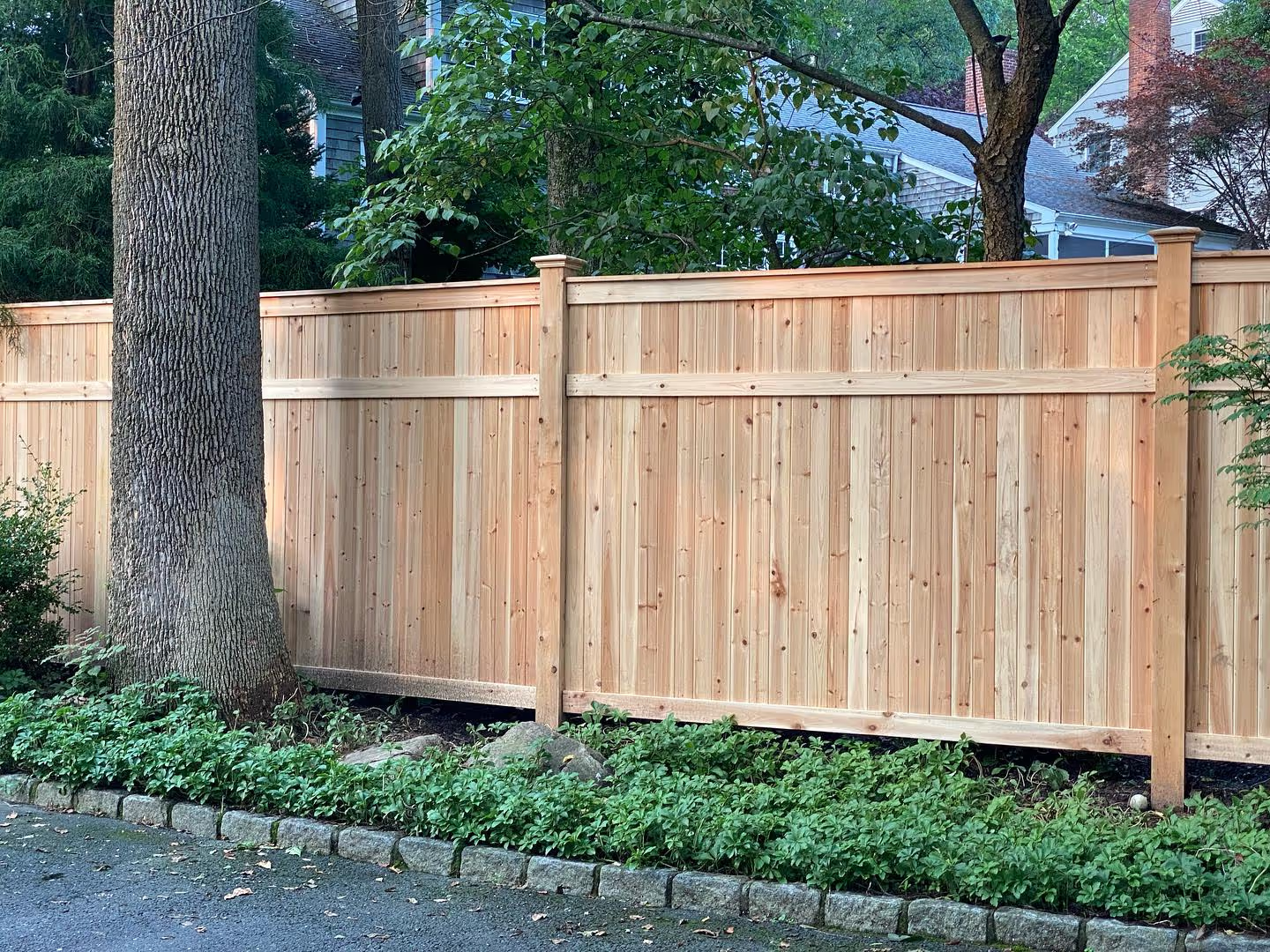
In this region, climate settles the vinyl vs. wood debate. South Jersey and southeastern PA summers are consistently humid, and that humidity accelerates rot, insect damage, and moisture warping in untreated wood. A cedar fence in Moorestown typically needs re-staining or sealing every two to three years to resist moisture damage. A vinyl fence in the same yard needs an annual rinse.

The trade-off is repairability. A damaged wood fence lets you swap one board. With vinyl, replacement depends on the manufacturer still producing that specific product line. In some systems, individual pickets or boards can be swapped. In others, the whole panel section must come out. Worth knowing before you choose.

Vinyl vs. Wood

Vinyl vs. Aluminum

Vinyl and aluminum are not direct substitutes. They serve different purposes.

Vinyl Aluminum
Privacy Full panel, no visibility through Open picket, visible through
Maintenance Low Low
Pool areas Compliant with correct style Often preferred for pool visibility
Aesthetic Clean, residential Decorative, classic

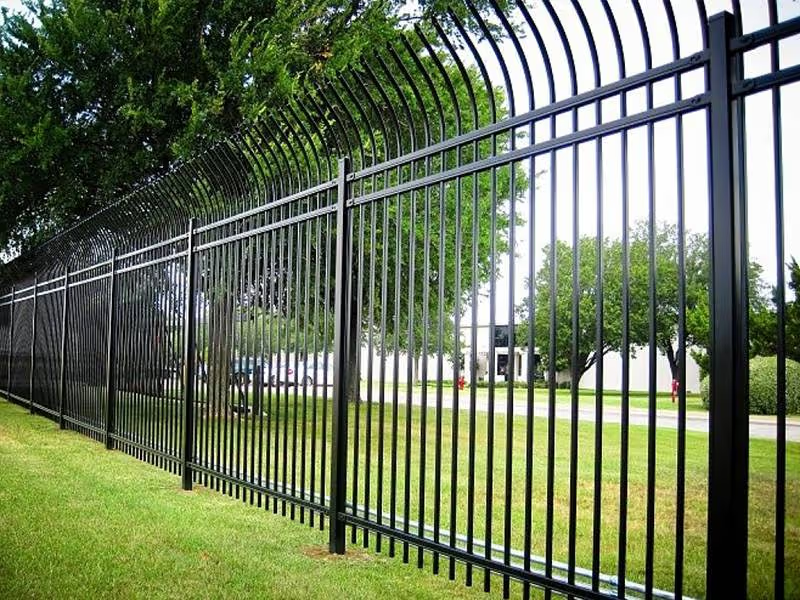
If privacy is the goal, vinyl wins. If you want to see into the pool from the house, or the front yard calls for an open decorative look, aluminum is the better fit.

Vinyl vs. Aluminum

A 25-Year Vinyl Fence Starts With What You Cannot See at the Quote Stage

You cannot tell the material grade by looking at a freshly installed fence. Quality-grade vinyl lasts 20 to 30 years. That range is driven almost entirely by two variables: material grade and post-installation depth.

Not all vinyl fence systems are the same product. Quality installations use routed rail systems where pickets slot directly into the rail, creating a stronger connection than bracket-mounted systems. Rails should be reinforced, not hollow. Virgin PVC holds color and structural integrity longer than recycled-content vinyl.

Higher-grade vinyl contains more titanium dioxide (TiO₂), the compound that resists UV-driven yellowing. Quality vinyl retains its color significantly longer than budget-grade products, which can begin showing yellowing noticeably within a few years. The exact timeline varies by product and sun exposure.

Post depth is the other variable. Posts set below the frost line with concrete footings resist heaving and leaning. Posts set too shallow will move, and that movement will crack panel connectors and stress rail joints over time.

Tri-State installations are backed by a 3-year transferable workmanship warranty, which transfers to the next owner if you sell. The vinyl materials we install also carry manufacturer product warranties. The workmanship warranty covers the installation. The manufacturer's warranty covers the material. Both matter.

Tri-State Fence & Deck Inc. License #13VH13604500.

What Actually Drives the Cost of a Vinyl Fence

Two quotes that both say "vinyl privacy fence" can represent completely different materials, post systems, and installation standards. Before you compare numbers, know what you are comparing.

  • Material grade: Quality rails typically run 0.150-inch wall thickness or better. Budget product often comes in at 0.100-inch. You will not see the difference until year eight.
  • Fence height: 4 ft vs. 6 ft affects both materials and post depth requirements
  • Terrain: Sloped lots require stepped installation, which adds labor
  • Gates: Count and hardware complexity
  • Permit fees: These vary by township across NJ, PA, and DE
Vinyl fence installation cost

Vinyl Privacy and Pool Fencing Meets Local Code

Privacy

White vinyl meets most HOA color and style requirements without modification. That is why it is the default submission when homeowners apply for fence approval in communities like Cherry Hill, Voorhees, and Mount Laurel. The solid panel eliminates sightlines and will not warp, splinter, or need repainting to stay presentable.

Pool enclosures

Pool fencing is code-governed first. Style is a distant second.

Across New Jersey and most municipalities in PA and DE, the requirements are:

  • Minimum 48-inch barrier height measured from finished grade on the exterior side (some municipalities require greater heights)
  • Gates must be self-closing and self-latching
  • Gates open outward, away from the pool
  • If the latch release is located below 54 inches from grade, it must be on the pool-facing side of the gate, at least 3 inches below the top of the gate.
  • When horizontal rails are present and spaced less than 45 inches apart, they must face the pool side of the fence (not the exterior) so they cannot be used as climbing footholds from outside.

These requirements vary by municipality. We verify local code before every installation. If your township has a specific rule, we know it before the first post goes in.

Tri-State Fence & Deck Inc. License #13VH13604500.

Low Maintenance Is Real. Here Is What It Actually Means.

Vinyl requires no painting, staining, sealing, or rot treatment, and insects have no interest in it. For most homeowners, an annual cleaning is all the fence will ever need.

North-facing panels in neighborhoods like Collingswood, Audubon, or older sections of Cherry Hill get limited direct sunlight. Those panels develop algae and black-green mildew within two to three years. This is not a defect. It is a surface condition caused by moisture and limited sunlight. Left alone for the past two seasons, it bonds to the surface and will not come off with a basic rinse.

What works:

  • Diluted white vinegar or a vinyl-specific cleaner
  • Soft brush, light pressure
  • Annual cleaning in spring before buildup starts

What to avoid:

  • Abrasive scrubbing pads (they dull the surface finish)
  • Close-range pressure washing (same result)

One practical note: white vinyl shows mildew and dirt more visibly than tan. Worth knowing before you choose a color.

Full vinyl fence maintenance guide

Vinyl Fence Performance Varies Across NJ, PA, and DE. Here Is Why.

Where you live in this region affects how your vinyl fence performs and how it needs to be installed.

Tri-State Fence & Deck Inc. License #13VH13604500.

Frequently Asked Questions

Does vinyl fencing fade over time?
Is vinyl fencing environmentally friendly?
Can you cut or modify a vinyl fence after installation?
How does vinyl fencing handle ground movement?
Can vinyl fencing be painted or changed in color later?

References:

Regulatory & Code Sources

  1. New Jersey Department of Community Affairs. New Jersey Uniform Construction Code (UCC). nj.gov/dca/codes
  2. International Code Council. International Swimming Pool and Spa Code (ISPSC) 2018, Section 305. Pool barrier, gate, and latch requirements. iccsafe.org
  3. International Code Council. International Residential Code (IRC), Section R301.2(1). Frost line depth by region. iccsafe.org

Material & Technical Standards

  1. ASTM International. ASTM D1784-20, ASTM F964 — Dimensional requirements for PVC, posts, rails, and pickets. astm.org
REQUEST YOUR ESTIMATE

Ready to Talk About Your Property?

Tri-State Fence & Deck installs vinyl fencing across South Jersey, Southeastern Pennsylvania, and Northern Delaware.

Each estimate includes:

  • A property line review.
  • Permit requirements for your township.
  • A written spec sheet detailing post depth, wall thickness, and material grade.
Schedule Your Vinyl Fence Estimate
(856) 230-7082
License #13VH13604500

Contact Us Today to Begin Your Project

Success! Your quote request was submitted.
You will hear from one of our team members shortly.