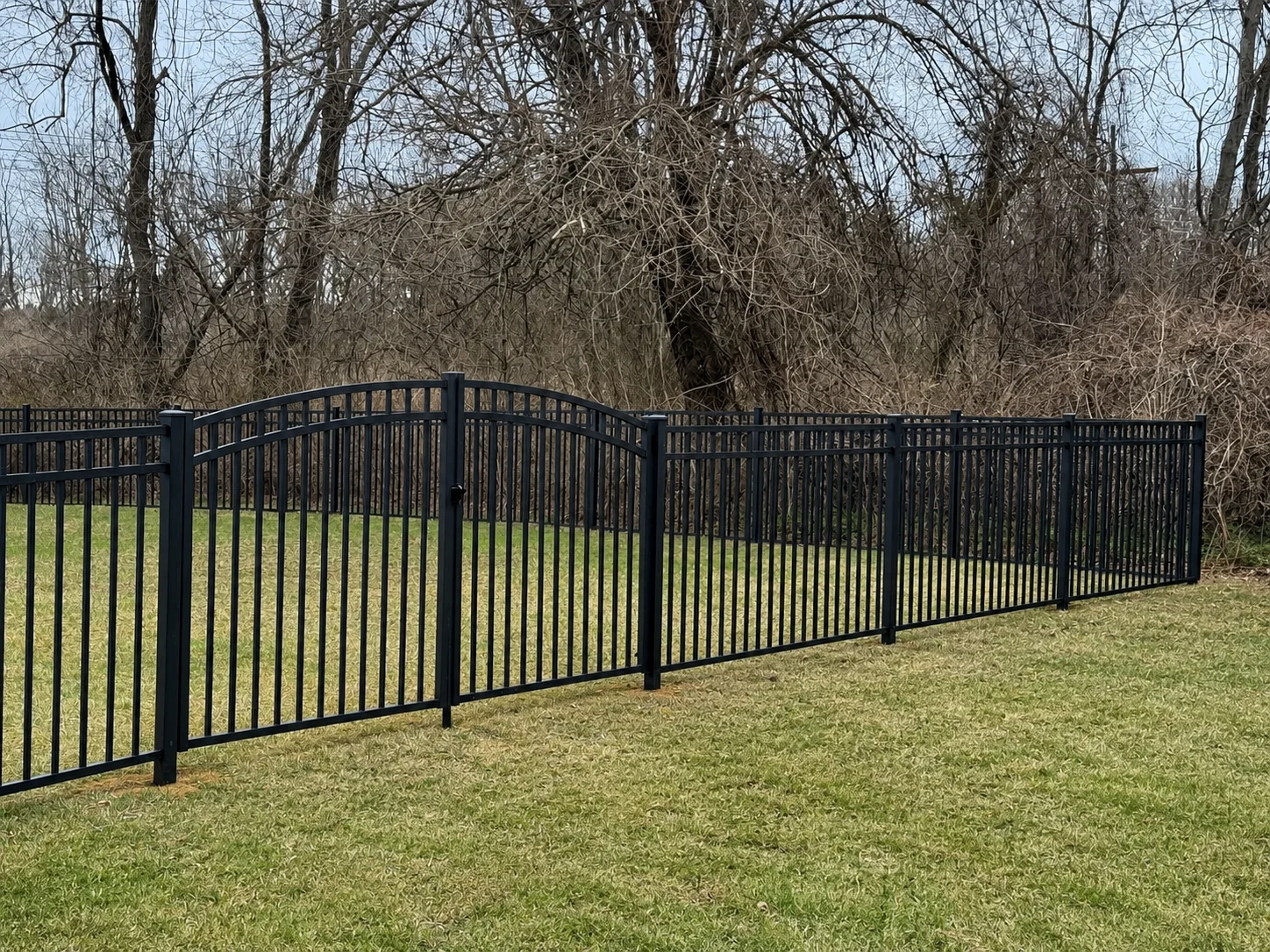
Fences rarely fail all at once. They loosen, sag, and wear down gradually, and Northern Delaware's freeze-thaw winters, humid summers, and coastal storms all play a part. The hard part is telling a fence that needs a quick repair from one that has reached the end of its useful life.
This guide walks through seven signs of fence replacement Delaware homeowners should watch for, so you can make that call with confidence instead of guessing.
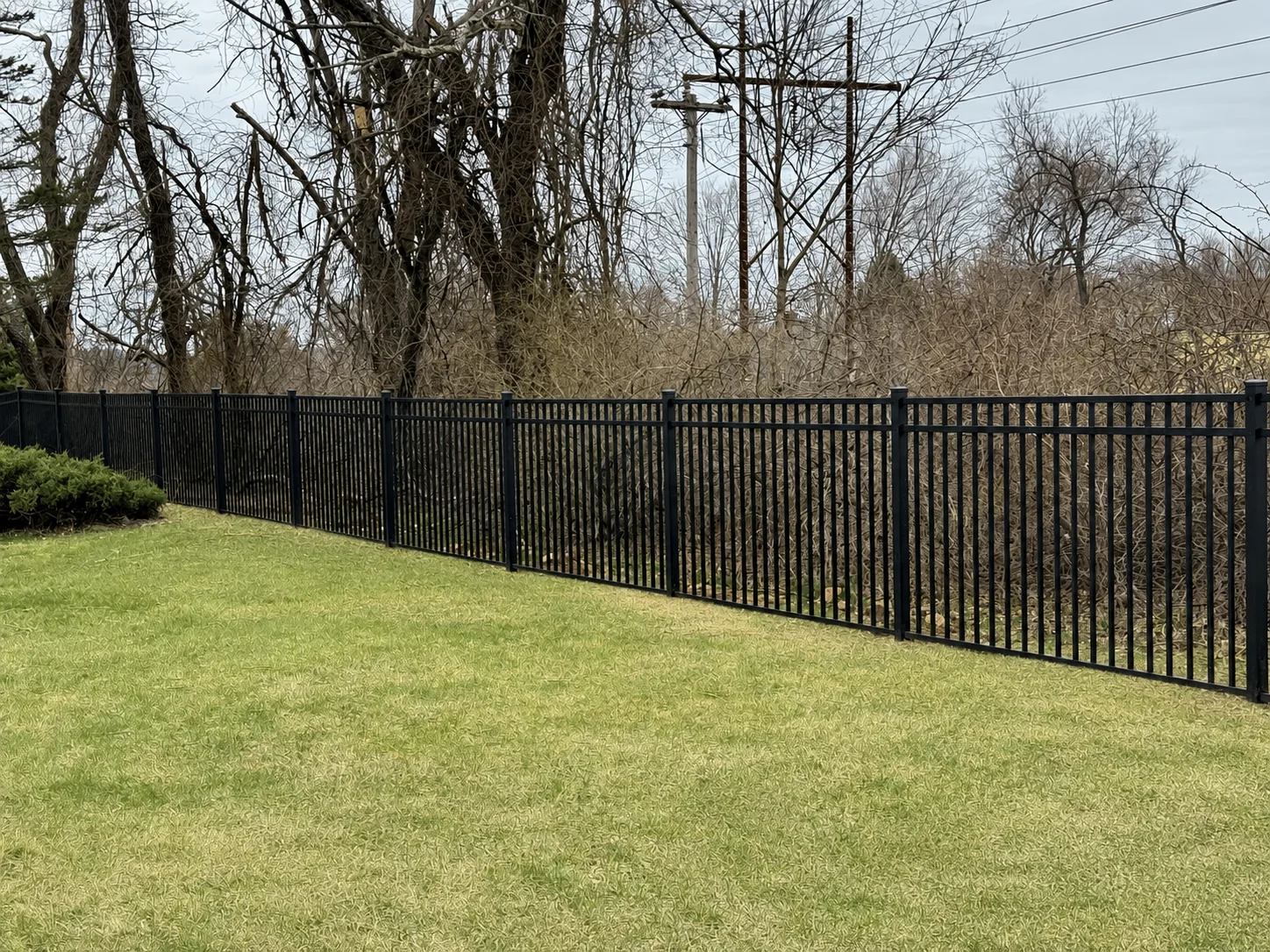
Structural problems are the most urgent signs here because they affect whether the fence can safely do its job, particularly during the wind and heavy rain that Delaware storms can bring. A structurally compromised fence won't improve with patchwork, and it will keep moving until the underlying cause is addressed.
When a post leans, or a section of fence sags out of line, the problem is almost always below ground, not above it. Posts are set in concrete footings that anchor them against wind and pressure. Once a footing cracks or loses its grip in the wet, freeze-thaw soil common across Northern Delaware, the post above it no longer has anything solid to stand on. Bracing or straightening the post by hand might hold for a season, but the footing is still compromised, and the lean typically returns.
A gate that won't latch, drags on the ground, or sags on its hinges is often blamed on the hardware. In most cases, the real cause is the same post or frame movement described above. If tightening the hinges or replacing the latch doesn't fix the problem within a few weeks, the gate frame or the posts it's hung on have likely shifted, and no hardware adjustment will hold for long.
Not every mark or stain on a fence means it needs to go. Some wear is cosmetic, and some points to damage that will spread if ignored, especially given the humidity Delaware fencing withstands each summer.
Wood fencing is more vulnerable to rot and insect damage than vinyl or aluminum, and both tend to start at the ground line, where wood stays damp longest. Press a screwdriver or your thumb into the wood near the base of a post or board; if it feels soft, spongy, or crumbles instead of resisting, rot has set in.
Small holes, sawdust-like debris, or hollow-sounding wood point to insect tunneling instead. Both issues are usually contained to the wood sections, but once rot reaches the core of a post, that post needs replacing rather than patching.
Aluminum and chain link fencing hold up well in Northern Delaware's humidity, but they aren't immune to wear. Light surface rust on chain link or minor fading on powder-coated aluminum is cosmetic, not a reason to replace the fence. What matters more is whether corrosion has eaten into the metal itself, weakening a post or rail, or whether fading has come with chalking, pitting, or peeling coating.
Surface wear can often wait, but structural corrosion should not be ignored.
A single cracked or missing board is usually a repair, not a reason to replace the whole fence, especially on vinyl or wood fencing where sections can be swapped out. The distinction comes down to scale. If damage is limited to one or two boards on an otherwise sound fence, replacing just those pieces makes sense. If boards are splitting, popping loose, or going missing across multiple sections, the whole run is likely nearing the end of its life.
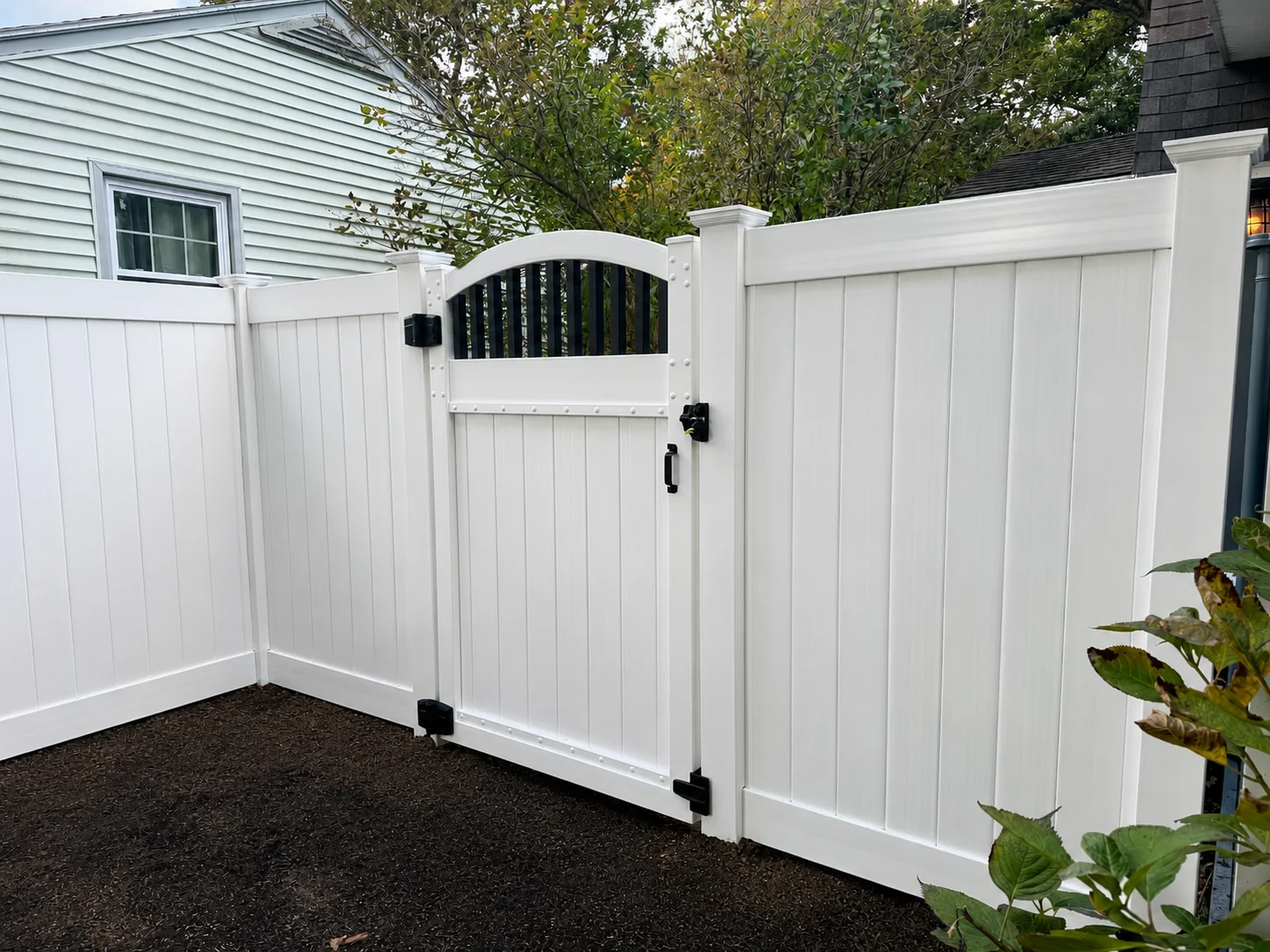
White vinyl privacy fence installed along a freshly cleared backyard in Delaware.
Some signs aren't about a single broken part. They're about repeat spending and aging materials that tend to show up together.
If you've paid to fix the same post, gate, or section more than once, the underlying cause was never actually fixed. A post that keeps leaning after being reset, or a gate that keeps needing new hardware, means the problem is bigger than the part that broke. Continuing to pay for repairs in the same spot usually costs more over time than replacing that section for good.
Every fence material has a realistic lifespan. Once a fence reaches or passes that range, problems tend to show up in multiple places at once because the material itself is breaking down, not just one section. That's usually the point where the fence replacement Delaware homeowners choose over continued repairs starts to make more sense than patching the same fence again. The next section breaks down typical lifespans by material so you can compare your fence's age against what's realistic to expect.
Once you've spotted one or two warning signs, the next question is how far the problem extends. A few details make that call easier, regardless of fence material.
If the damage is limited to one post, one gate, or a short run of boards on an otherwise solid fence, repair is usually the right call. If multiple sections show the same problems, whether leaning posts in more than one spot or boards failing in several places, that pattern points to replacement rather than one-off fixes.
Not all fence damage costs the same to fix. A damaged board or panel is a contained repair because the post structure around it is still sound. A failing post is different, because everything attached to it, including boards, rails, and sometimes a gate, depends on it staying put. Post-level failure is harder and more expensive to work around, and it's one of the clearest signs that a full section, or the whole fence, needs to come out.
As a general guide, wood fencing typically lasts 10 to 20 years, vinyl 20 to 30 years, aluminum 25 years or more, and chain link 20 years or more, with actual lifespan depending on installation quality, soil conditions, and maintenance. Vinyl is the most common choice for homeowners in our service area, largely because of that lifespan and its low upkeep. You can explore vinyl fencing options to see what's available.
Aluminum is the second most requested material, and if you want a traditional metal look that holds up well over decades, you can see aluminum fencing details.
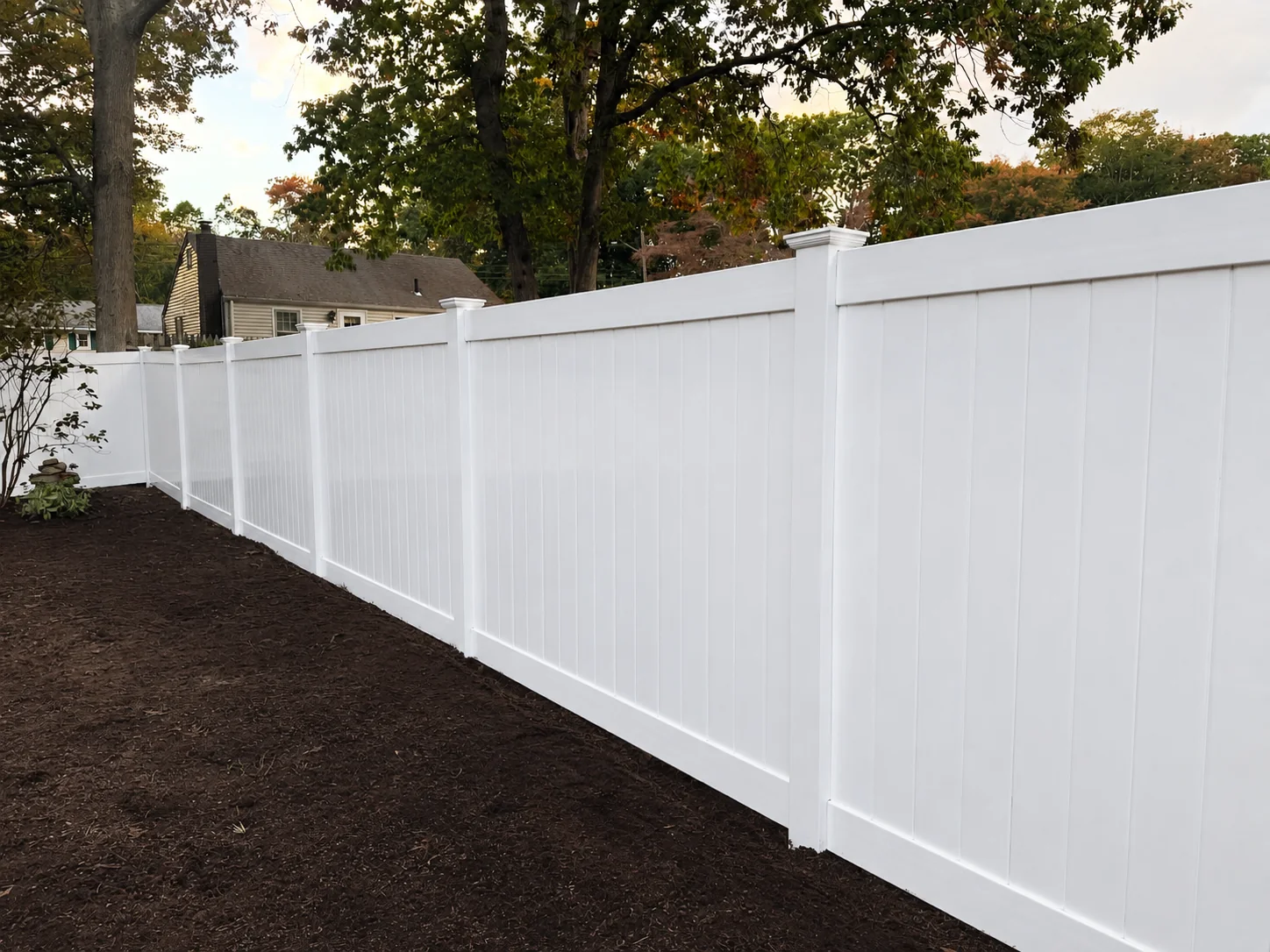
Before any posts come out or go in, two steps are easy to overlook: getting utility lines marked (required statewide in Delaware) and checking New Castle County's zoning rules. Skipping either one can delay a project or create a real safety hazard.
Delmarva 811 is Delaware's state-designated one-call center, established under Delaware Code Title 26, Chapter 8, and it's the required first step before digging for new fence posts. Homeowners or contractors must call Delaware's 811 center first so utility companies can mark underground lines. State law sets Delaware's required notice period at not less than two working days but no more than 10 working days before digging begins, under Del. Code Title 26, Section 806(a)(2).
In New Castle County, most fences don't require a building permit. The exception is any fence used as a swimming pool barrier, which does require one. Even without a permit, a fence still has to meet the county's zoning standards: maximum height is 6 feet, or 7 feet to the top on sloped ground or where posts extend above the fence line; in the NC5, NC6.5, NC10, and NC15 zoning districts, fences in the street yard are limited to 4 feet; corner lots must maintain a 25-foot visibility triangle; and any fence located in a floodplain does require a floodplain permit regardless of height.
These standards are current under Ordinance 24-059, effective Sept. 3, 2024, and the county publishes the details in New Castle County's fence rules. Tri-State handles the permit determination, HOA coordination, and the 811 utility-locate call for customers on every replacement project, so none of this falls on you to sort out.
If you're seeing more than one of the signs above, it's worth having someone take a closer look before you spend more on repairs that won't hold. Tri-State Fence has been family-owned for more than 20 years, serving South Jersey, Southeastern Pennsylvania, and Northern Delaware.
If you're weighing the fence replacement Delaware conditions have made necessary, our team can walk the property and answer questions about materials and permits. You can request a free estimate in writing before any work begins.
