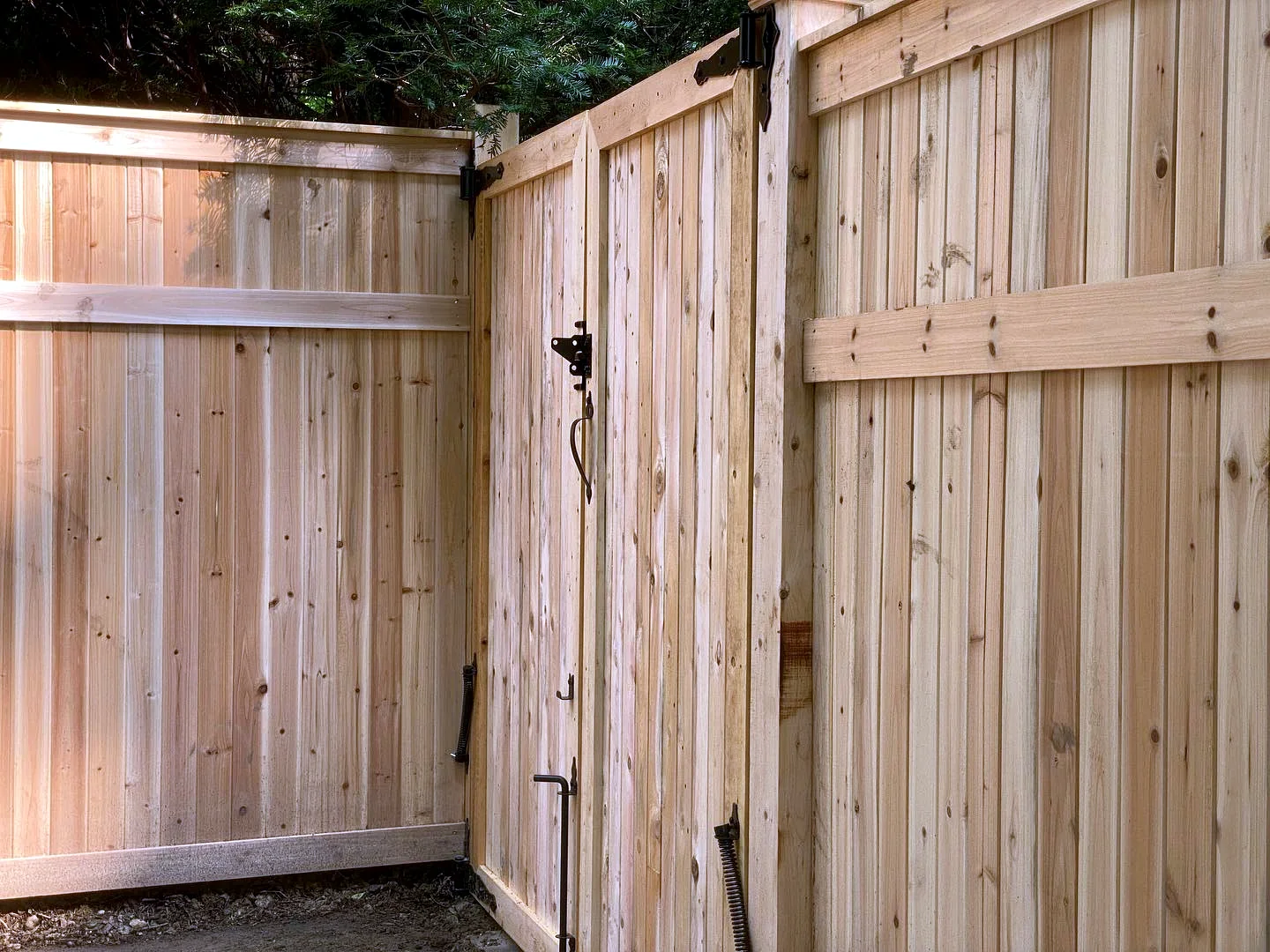
If you're pricing out fence installation cost in Wilmington, DE, expect a range rather than one flat number. Regional per-linear-foot pricing commonly runs from about $10 for chain link up to $60 for vinyl privacy fencing, with most projects landing in between depending on material, height, and site conditions. The sections below cover cost by material, what pushes a quote up or down, and the permit rules that apply before installation can start.
These ranges reflect what Tri-State Fence & Deck has actually seen on job sites across Northern Delaware over more than 20 years as a family-owned, owner-operated company.
Because every yard is different, the fastest way to get your exact number is a free on-site estimate. You can request a free on-site estimate and get a quote based on your actual property.
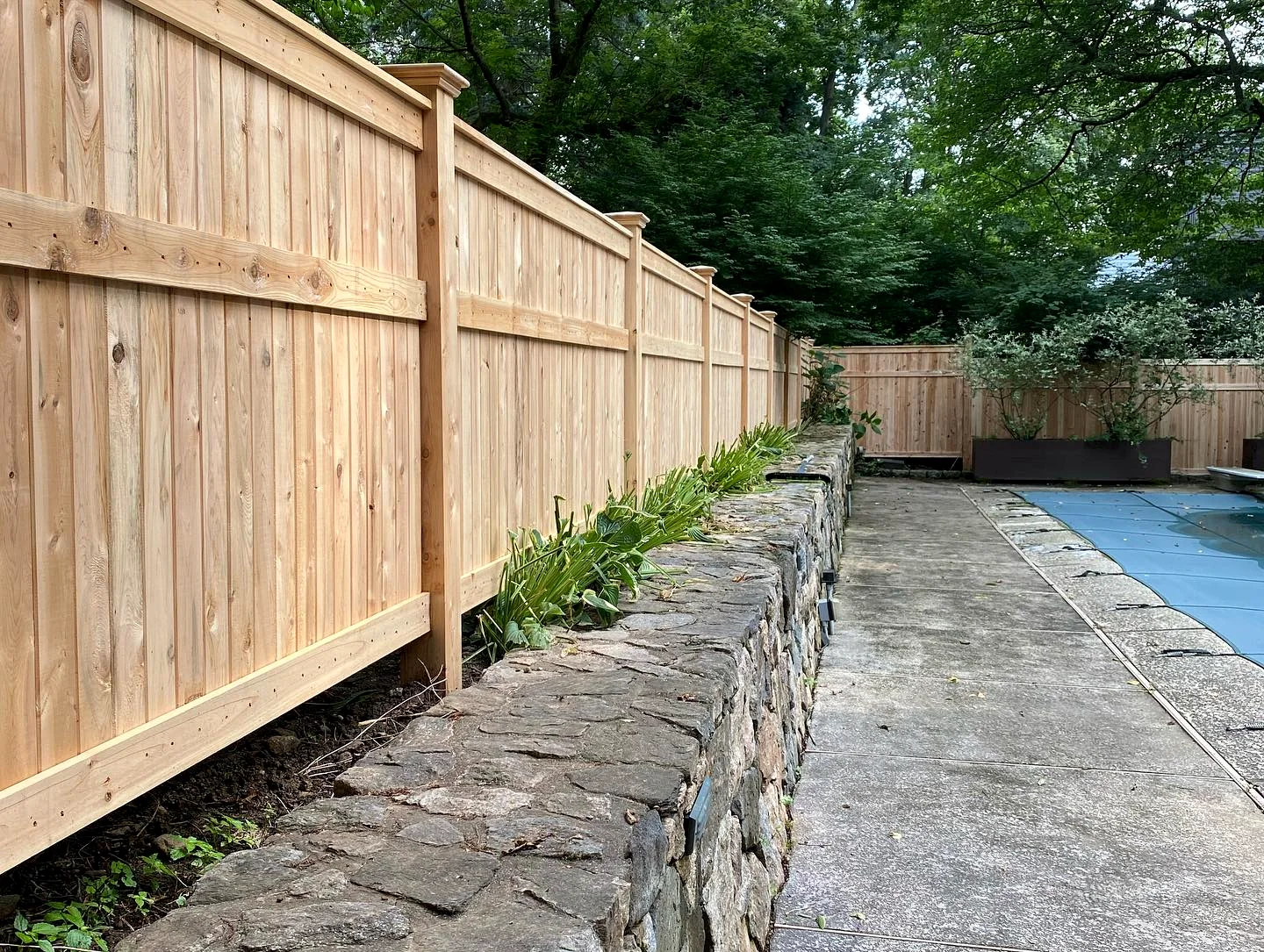
Material choice drives cost more than almost any other factor. Here's how the common options compare, starting with the fence type installed most often in this market.
Vinyl privacy fencing typically runs $30 to $60 per linear foot installed, and it's the material homeowners choose most in this market. It holds up to humid Mid-Atlantic summers and winter freeze-thaw cycles without repainting or staining, and a solid panel blocks sightlines better than most wood options. Vinyl also carries a manufacturer-backed limited lifetime material warranty that passes through to the homeowner. You can explore vinyl privacy fence options to see the styles available.
Aluminum ornamental fencing typically runs $25 to $55 per linear foot, depending on height, panel style, and finish. It suits homeowners who want a decorative, open-sightline look for pool surrounds or front-yard boundaries rather than full privacy. Powder-coated aluminum is the only finish worth specifying for outdoor Delaware conditions, since it resists chipping, rust, and fading far better than standard painted finishes. You can see aluminum fence styles available.
Wood remains a familiar option for homeowners who want a natural look. Cedar regional pricing runs about $25 to $45 per linear foot, while pressure-treated pine typically comes in lower, around $15 to $30 per linear foot. Both require more upkeep than vinyl, including periodic staining or sealing to prevent warping, graying, or rot, especially given the area's humidity and seasonal moisture. You can compare wood fence options to see what fits your property.
Chain link fencing typically runs $10 to $25 per linear foot, the lowest regional range among common materials. It remains a practical choice for securing yards, dog runs, and side or rear property lines where privacy isn't the priority. You can review chain link fence installation details to understand height, gauge, and gate options.
Split rail fencing typically runs $15 to $35 per linear foot. It's used more for marking a property boundary or adding an open, rustic look to a front yard than for privacy or containment, since the open rail design doesn't block sightlines or secure a yard. For more information, check out the Split-rail and Ranch installation services
Gates add cost on top of per-linear-foot pricing, and a standard swing gate is the most common add-on requested. Pricing depends on gate width, material match, and hardware, and it's calculated separately from the fence line itself. You can add a swing gate to your fence as part of the same installation.
Two properties with the same material can still land at different final numbers. Several factors shift a quote up or down:
This is exactly why an accurate fence installation cost in Wilmington, DE comes from an on-site visit rather than a phone call. Seeing the grade, the corner setback, the gate locations, and the existing fence in person is how a real number gets built, not guessed at.
Permit rules depend entirely on which jurisdiction a property sits in, and that's where homeowners near the city line often get tripped up. Unincorporated New Castle County and the City of Wilmington are separate jurisdictions with different rules, and the two shouldn't be blended together.
In unincorporated New Castle County, most fences are exempt from permitting, with one exception: swimming pool barriers. General fence height is capped at 6 feet, though up to 7 feet is allowed on sloped lots to account for grade changes. A lower 4-foot maximum applies in the street yard for certain zoning designations, including NC5, NC6.5, NC10, and NC15. You can check which fence projects skip a permit and review New Castle County's current fence rules before finalizing a design, since specifics can shift by zoning district.
Once a property sits inside the City of Wilmington itself, a different set of rules applies. The city runs its own permitting process through the Land Use and Planning / Licenses and Inspections office at 800 N. French Street, separate from the county process. Properties near the Christina River or Brandywine Creek, including Riverside and East Side, may fall in a FEMA-mapped floodplain and require additional permitting. Anyone in that situation should check with the city's Land Use and Planning office before assuming a standard permit covers it.
Fence work inside a City Historic District or Neighborhood Conservation District requires approval from the Design Review and Preservation Commission before a permit is issued. DRPC meets the third Wednesday of each month, and complete applications are due at least 3 weeks in advance. You can review Wilmington's historic district review process for which neighborhoods are covered.
Delaware law requires calling Miss Utility Delaware at 811 at least 2 full working days before any digging, including fence post holes. A ticket stays valid for up to 10 working days once placed, regardless of jurisdiction. It's one phone call: call 811 before you dig and get underground lines marked before work starts.
Pool barrier fencing is the one fence type that still requires a permit even in unincorporated New Castle County. Delaware-specific height, gap, and gate-hardware figures aren't reliably documented, so confirm exact specifications with the county directly. For general reference, the federal pool barrier safety guidelines published by the CPSC outline national best practices, though county confirmation is still the right step.
Jurisdiction, HOA rules, floodplain checks, and utility marking add up to a lot for one homeowner to sort out alone. Permits, HOA coordination, and 811/utility marking are handled as part of the installation itself, so the regulatory side doesn't land back on the homeowner.
Tri-State Fence & Deck has been family-owned and operated by Eriberto Torres Sr. and Jr. for more than 20 years, serving Wilmington and the surrounding Northern Delaware area. Every quote starts with an on-site visit rather than a phone estimate, so the number reflects your actual property.
Every installation is backed by our 3-year workmanship warranty, covering post movement, picket separation, and gate misalignment. To get your fence installation cost for a Wilmington property, call (856) 230-7082 and schedule your on-site visit.
