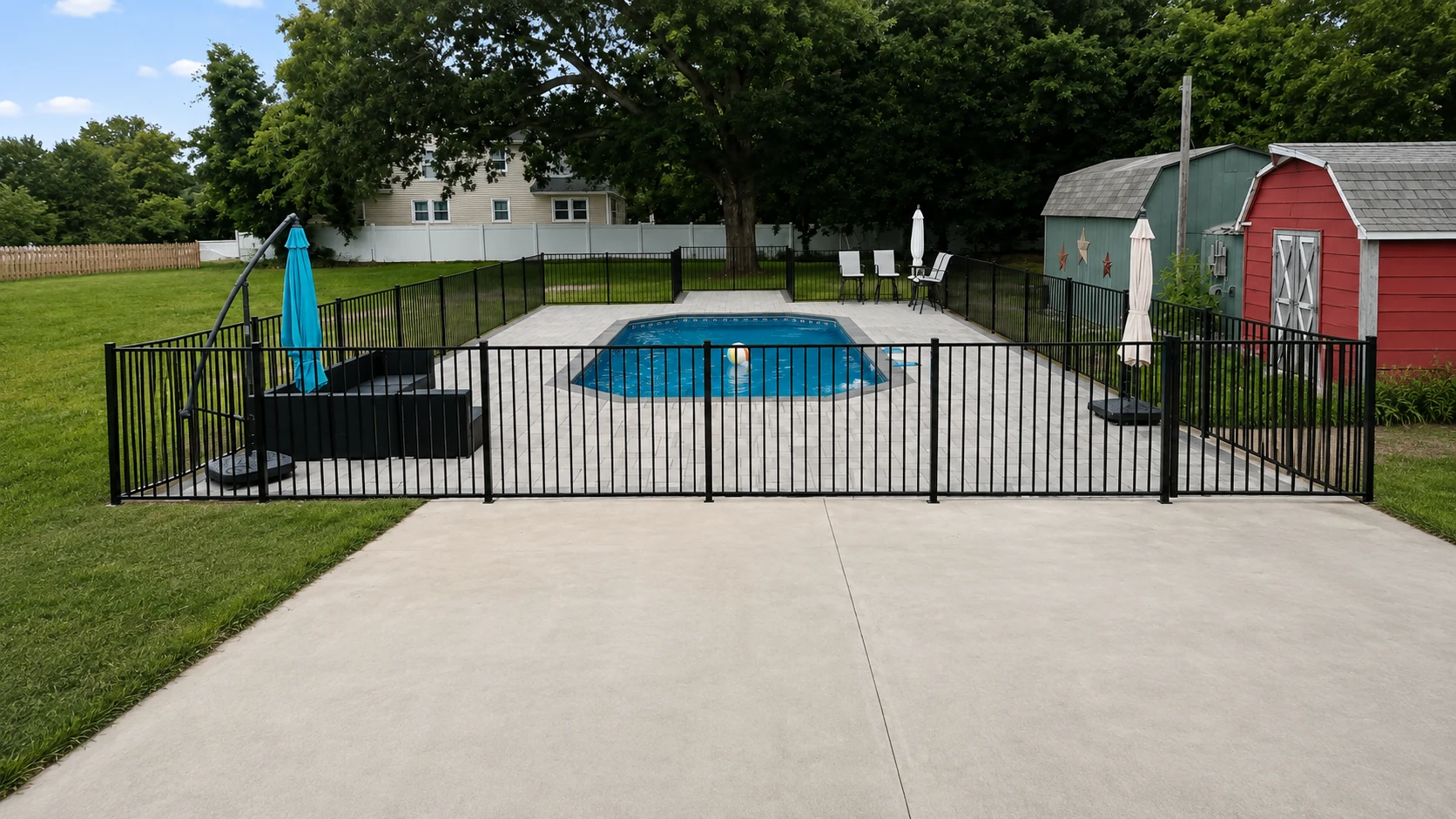
Choosing between wood, vinyl and aluminum fencing usually comes down to one practical question: which material actually holds up to the weather where you live? Across South Jersey, that answer isn't the same everywhere. Inland towns like Sewell, Cherry Hill, Deptford and Vineland see the humid summers, wet winters and freeze-thaw cycles typical of the Delaware Valley. Shore towns like Ocean City, Avalon and Stone Harbor deal with those same conditions plus something inland properties don't: real, constant salt-air exposure.
This guide looks at what makes the best fence for South Jersey weather here, using NOAA climate data for the region and local building codes instead of generic statewide claims.
Inland South Jersey, Gloucester, Camden, and Burlington Counties average about 44 inches of precipitation and roughly 26 inches of snow a year, based on NOAA's Philadelphia-area climate normals, the closest full data set to this part of the service area. That moisture matters for fencing because wood absorbs it, swells, and contracts again as it dries. Repeated over years, that cycle leads to warping, splitting, and loose pickets.
Humidity plays a similar role inland. Consistent moisture keeps wood surfaces damp longer after rain, which speeds up rot at ground contact points and around fasteners. Vinyl and aluminum don't absorb moisture the same way, which is part of why they age differently.
Along the coast, Atlantic and Cape May Counties see a milder version of winter, closer to 42 inches of precipitation but only around 17 inches of snow a year, since ocean air keeps temperatures from dropping as far or as often. Freeze-thaw cycling still happens there, just less aggressively than inland. What replaces it as the dominant stress is airborne salt, covered in the next section.
Fence advice written for "South Jersey weather" usually treats the whole region as one climate, and that flattens a real difference. Inland communities, Sewell, Cherry Hill, Pennsauken, Washington Township, Deptford, Vineland and Millville among them, deal primarily with humidity and freeze-thaw cycling. Shore communities, Egg Harbor Township, Galloway, Ocean City, Avalon and Stone Harbor, sit close enough to the water that airborne salt is a constant, not an occasional, factor.
Salt-laden air corrodes exposed metal hardware, hinges and fasteners faster than inland moisture alone, and it can dull some finishes over time. It's a separate mechanism from the rot and warping that humidity and freeze-thaw cause inland, which is why a fence built for an inland yard and a fence built two blocks from the beach often call for different hardware and finish choices, even when the base material is the same. We cover material-specific detail on this in the sections below.
Frost heave happens when moisture in the soil freezes, expands, and pushes upward, then contracts again as it thaws. Over a winter with multiple freeze-thaw cycles, that movement can gradually lift or tilt a fence post if it isn't set deep enough to begin with.
New Jersey's residential building code, based on the International Residential Code, sets a standard minimum footing depth of 36 inches below grade for most of the state, including South Jersey.
A handful of coastal towns allow shallower, engineered footings around 30 inches, but most local inspectors still require the full 36 inches for consistency. Because New Jersey enforces this at the municipal level rather than the county level, exact requirements can vary slightly by town, in Gloucester Township, Community Development and Planning is the office that confirms it, so a licensed installer should verify the exact depth required for your property, and your specific town, before any posts go in the ground.
Before digging starts, New Jersey law requires you to notify New Jersey One Call between 3 and 10 business days before excavation begins, under the state's Underground Facility Protection Act. That window covers fence post holes dug with mechanized equipment, like a power auger, though hand-dug holes using only non-mechanized tools are exempt from the formal notice requirement. Calling before you dig is worth doing either way, since it's free and it's the only way to know what's actually running under your yard.
Wood, vinyl and aluminum each respond differently to the moisture, freeze-thaw cycling and, near the shore, salt-air exposure covered above. Here's how each holds up across this climate.
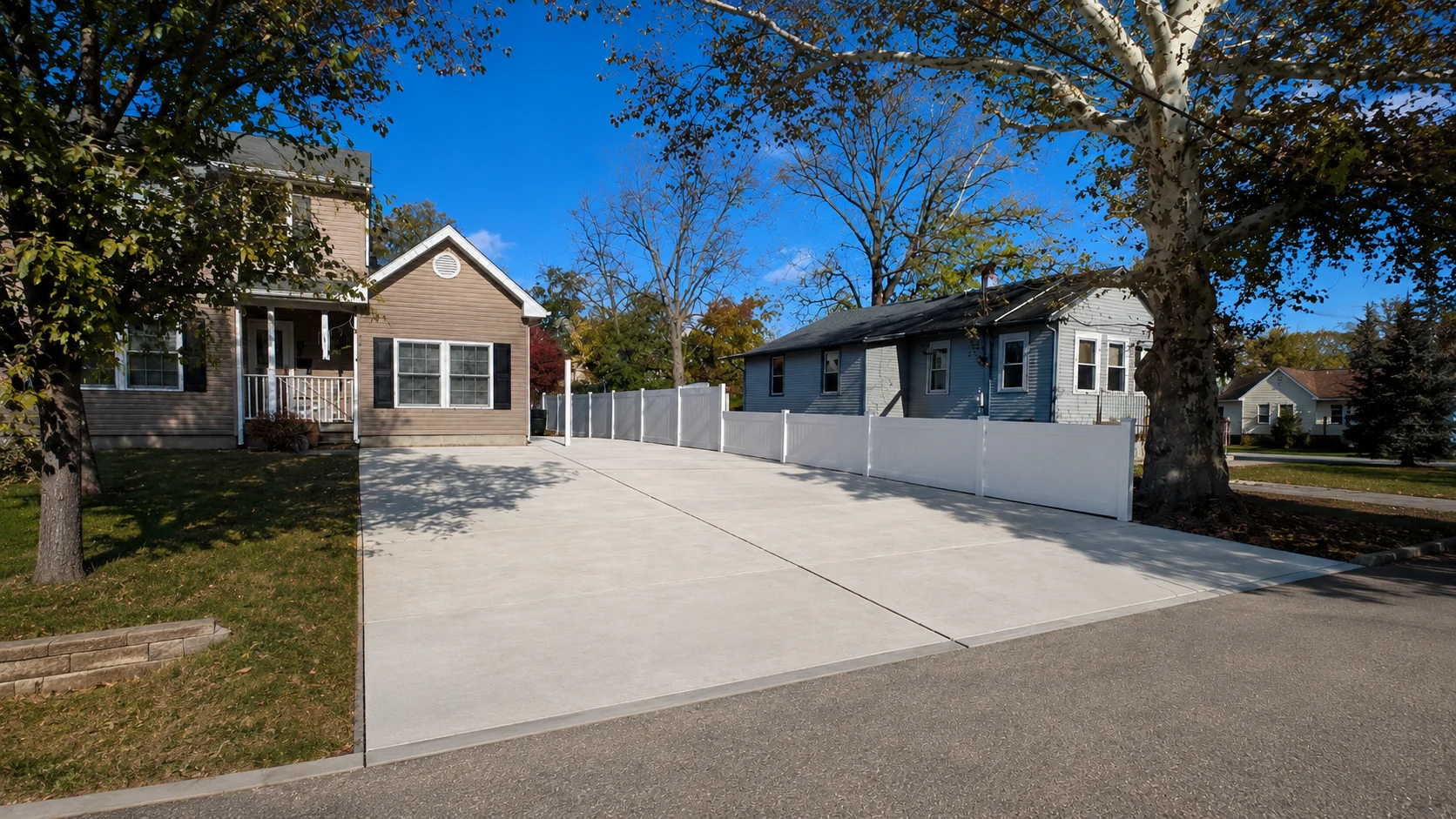
Vinyl doesn't absorb moisture the way wood does, which matters in a climate that sees over 40 inches of precipitation a year on either side of the region. It won't swell, rot, or need repainting from humidity, and its smooth, non-porous surface sheds salt spray better than painted wood or bare metal near the coast. It holds its shape and color through wet winters, freeze-thaw cycles and salt exposure alike. Conservatively, vinyl fencing lasts 20 to 30 years here.
Vinyl also typically carries a manufacturer-limited lifetime warranty pass-through, on top of standard workmanship coverage. It's one of our most requested materials across South Jersey, and white vinyl privacy fencing is our specialty. For homeowners weighing options here, our vinyl privacy fence installations are usually the first recommendation, inland or along the shore.
Aluminum fencing here is finished with a powder coating that resists moisture, UV exposure and salt corrosion, rather than relying on paint that can chip or fade. That finish, combined with the material's natural resistance to rust, gives aluminum a conservative lifespan of 25-plus years in this climate, including in the shore towns where salt air is a daily factor rather than an occasional one.
Aluminum doesn't offer the same privacy as a solid wood or vinyl panel, since its open picket style shows sightlines rather than blocking them. That makes it a strong fit for pool enclosures and front yards where visibility matters as much as containment, and it's a common choice in shore communities where homeowners want a fence that won't corrode two blocks from the water. We install powder-coated aluminum fence options as our second specialty, after vinyl.
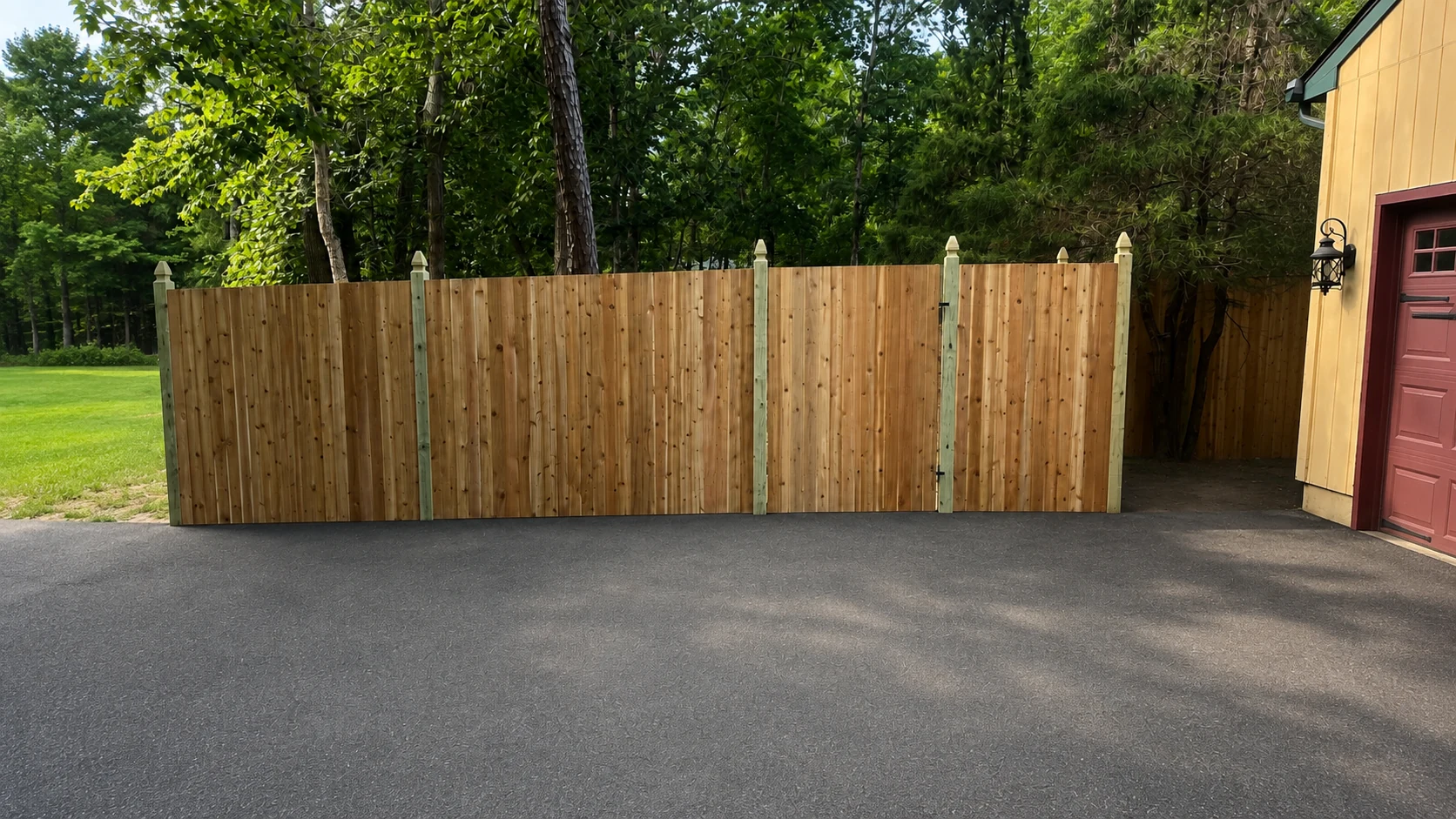
Wood is the most weather-sensitive of the three materials in this climate. Humidity and roughly 40-plus inches of annual rainfall drive rot and warping, particularly at ground contact and around fasteners, and freeze-thaw cycling adds stress to joints over time. Near the coast, salt-laden air accelerates corrosion of nails, hinges and other hardware on top of the moisture damage. Conservatively, wood fencing lasts 10 to 20 years here, the shortest of the three, and shorter still for wood installed close to the shore.
Wood also requires more upkeep than vinyl or aluminum, including periodic staining or sealing to slow moisture damage. The wood fencing we install is built the same way regardless, but it's worth choosing with that maintenance commitment and shorter lifespan in mind for this climate.
The right material often depends as much on where your property sits, inland or coastal, as on the type of lot, which is really what deciding on the best fence for South Jersey weather comes down to. Newer HOA developments around Washington Township or Galloway often favor vinyl's clean, uniform look, and its resistance to freeze-thaw cycling suits these subdivisions well.
Older lots in Vineland or Millville, often on established, smaller footprints, may call for wood or aluminum instead, depending on the look you want. Shore-adjacent properties in Ocean City, Avalon or Stone Harbor tend to benefit from vinyl or aluminum specifically because of salt-air exposure, since both hold up better than wood against corrosion and repeated moisture near the water.
Whatever material you choose, workmanship matters as much as the material itself, backed by our 3-year workmanship warranty, covering post movement, picket separation, and gate misalignment- the issues freeze-thaw cycling and salt-air corrosion cause most often across this region.
If you're still weighing wood, vinyl, or aluminum for your specific yard, get a free on-site look at your yard, and we'll walk through what makes sense for your property, whether it's inland or a few blocks from the beach.
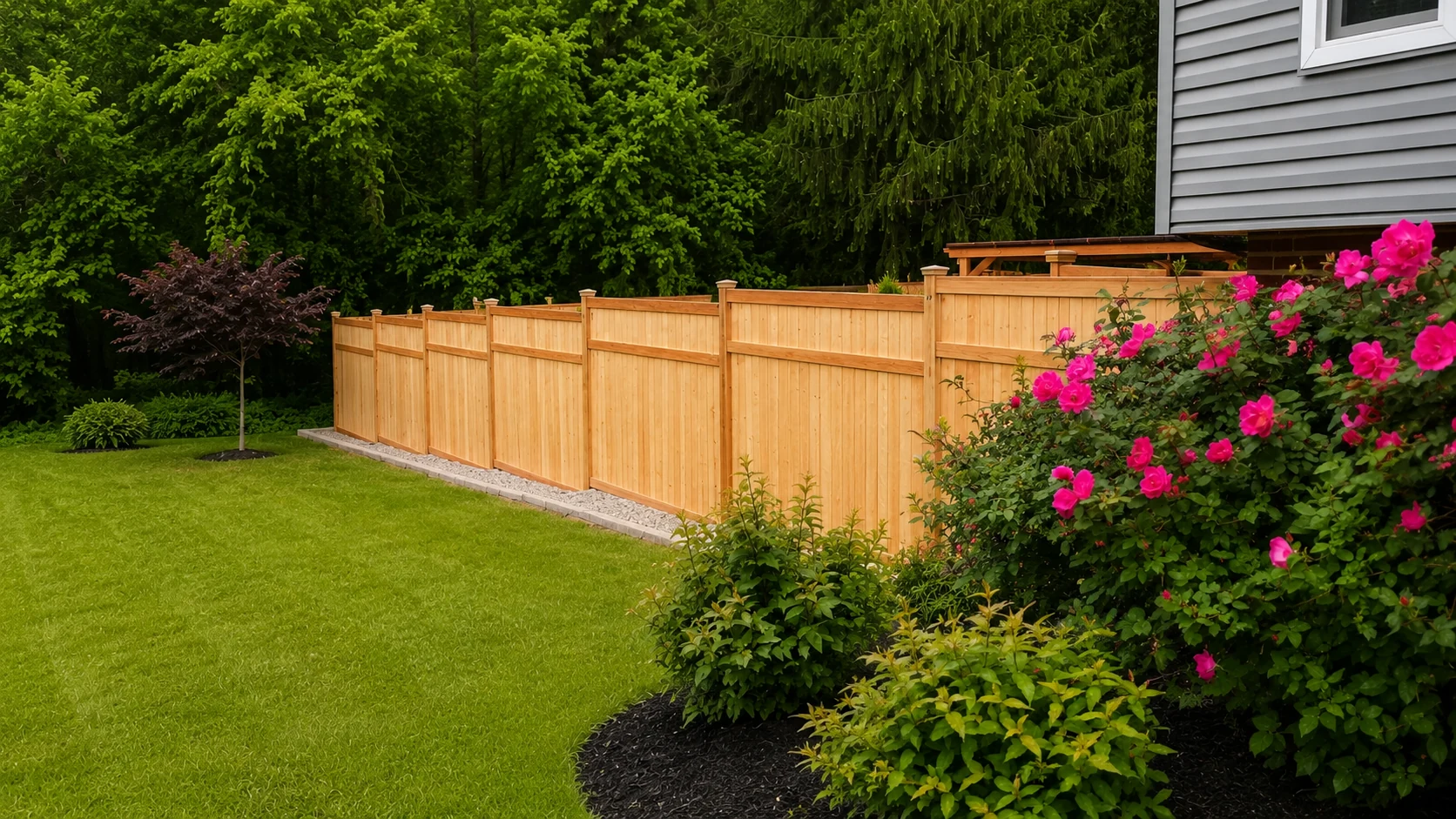
Because New Jersey sets zoning rules at the municipal level rather than the county level, exact fence height limits vary by town across our service area. In Gloucester Township, front-yard fences are generally limited to a lower height than side- and rear-yard fences, and anything taller than the zoning maximum requires variance approval from the Zoning Board of Adjustment before a permit is issued. Other towns in our service area, from Cherry Hill to Ocean City, set their own limits, so it's worth confirming the exact number with your local zoning office before finalizing plans.
Corner lots have an additional rule worth knowing. Gloucester Township's code restricts anything that obscures vision between 2½ and 10 feet high within 100 feet of an intersection, so a fence that's compliant everywhere else on the property can still run into problems if it sits inside that visibility area. Other municipalities in the service area apply similar sight-triangle standards.
If your property is in a flood hazard area, a floodplain development permit is required in Gloucester Township, under Ordinance O-23-08, effective Aug. 14, 2023, separate from the general zoning limits above and regardless of the fence material you choose.
It's worth checking with your specific municipality's zoning or construction office before finalizing plans for a new fence, since these numbers aren't uniform across a six-county service area the way a single county's code would be.
Pool fencing is one area where South Jersey is simpler than the zoning rules above: New Jersey adopts the 2018 International Swimming Pool and Spa Code statewide under N.J.A.C. 5:23, so the same barrier requirements apply whether you're inland or on the coast.
The barrier must be at least 48 inches above grade, measured on the side facing away from the pool, with vertical picket spacing no more than 1¾ inches and no opening large enough to pass a 4-inch sphere. Gates must swing away from the pool and close and latch automatically every time, with the latch release at least 54 inches above grade or mounted on the pool side of the gate.
Full requirements are laid out in our guide to New Jersey pool fence rules, and the federal pool barrier safety guidelines from the Consumer Product Safety Commission cover the same principles at a national level.
Aluminum tends to be the material we recommend most for pool-adjacent fencing here. Its narrow picket spacing meets the 4-inch sphere requirement cleanly, and its powder-coated finish holds up well around pool decks and, near the shore, the salt-laden moisture that comes with them.
If you're fencing a pool and want to confirm the barrier meets code before installation, request your free on-site quote and we'll check compliance as part of the visit.
Wood, vinyl and aluminum hold up differently against the rain, humidity, freeze-thaw winters and, near the coast, salt air covered above, and figuring out the best fence for South Jersey weather comes down to your property, your priorities and how much upkeep you want to take on.
Tri-State Fence & Deck Inc. has been family-owned and operated for more than 20 years, based in Sewell and serving South and Central Jersey. When you're ready, schedule a free on-site estimate, and we'll walk your property, measure for the right material, and hand you a written quote at the visit.
