
Temporary Fence Panels
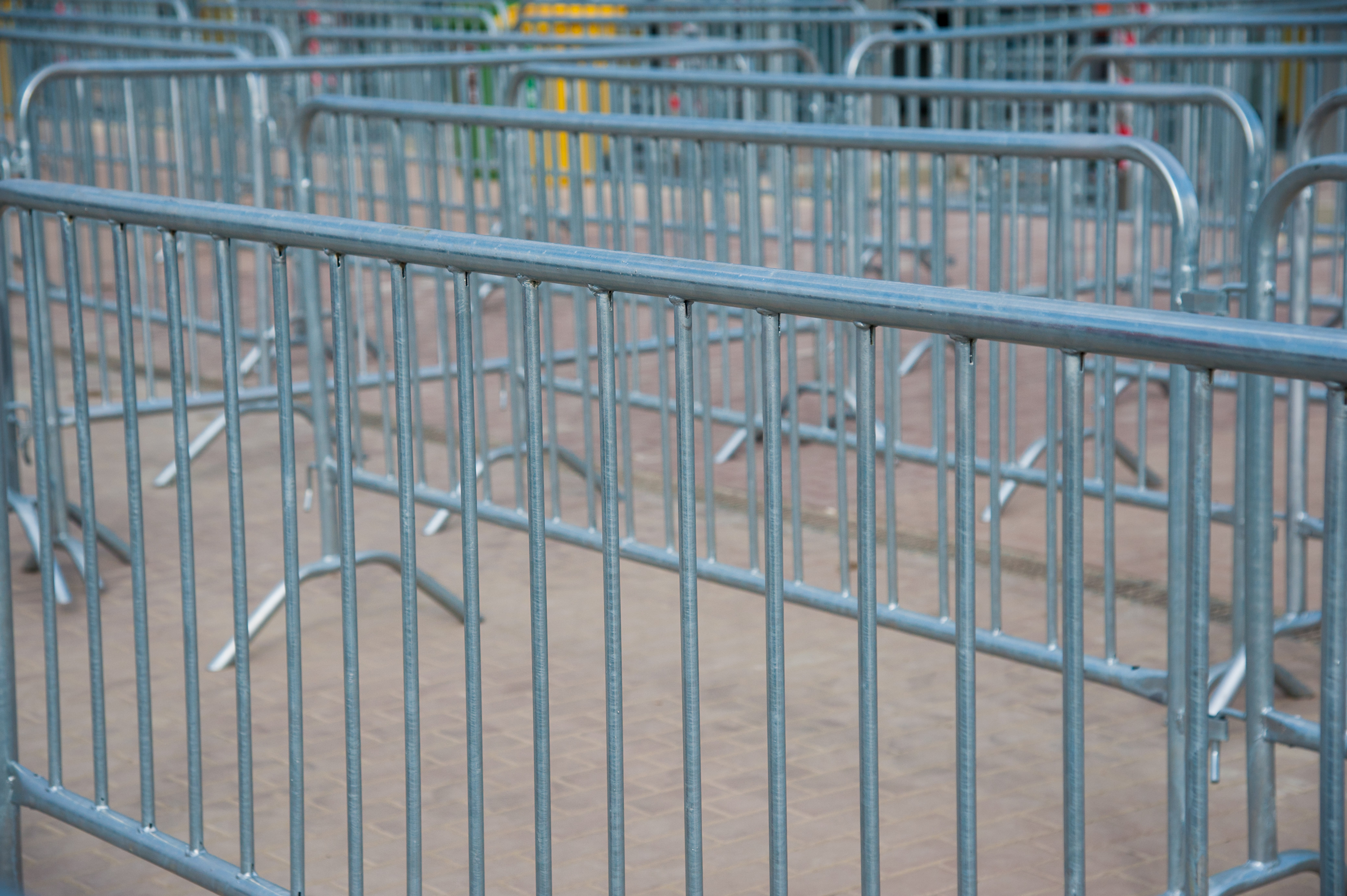
Steel-framed chain link panels are chosen for rigidity and consistent alignment. Mesh gauge, frame design, and connection points support easy movement. They also allow for routine layout changes.
%203.png)
%205.png)
%201.png)

If you're running a construction project in Sewell, NJ, temporary fencing is important for keeping people safe and controlling access. It also helps prevent delays, especially on sites managed by general contractors and project managers. At Tri-State Fence & Deck, we install temporary and construction fencing for job sites across South Jersey. We handle installation, adjustments, and removal in sync with your construction schedule to reduce risk and avoid unnecessary delays.

Construction projects move in stages, and temporary fencing must move with them. Site layout, project length, and access needs all affect how fencing is set up and used. The systems listed below support daily operations. They maintain clear perimeter control on active job sites.

Best for: Short-term projects and flexible layouts
Steel chain link panels are often used to set a clear boundary around active job sites. Panels install quickly and can be rearranged as work zones change during construction.

Best for: Longer projects and exposed locations
For sites that stay active over extended periods, post-driven systems add stability. Steel posts are driven into the ground to keep the fence aligned. This is important in windy areas or near heavy equipment traffic.

Best for: Equipment movement and crew access
Access gates support safe entry and exit while keeping the jobsite organized. Gate locations are planned around deliveries, equipment paths, and daily crew movement.
.avif)
Best for: Public-facing jobsites, sidewalk exposure, and public right-of-way areas
Privacy mesh and windscreen panels help limit visibility. They manage dust and contain debris near sidewalks, roads, and nearby properties.
Temporary fencing setups often include stabilized base blocks or ballast, wind bracing for exposed runs, lockable gate hardware, signage attachment points, and anti-climb features where required.
Temporary fencing must perform well throughout the construction phase. Material choices focus on strength, stability, and steady performance under daily job-site use.

Steel-framed chain link panels are chosen for rigidity and consistent alignment. Mesh gauge, frame design, and connection points support easy movement. They also allow for routine layout changes.
Fence stability starts at ground level. Driven steel posts and concrete base blocks are selected based on soil conditions. Rubber bases and added ballast are selected based on wind exposure, project duration, and South Jersey weather patterns.
Gates are the most used on a jobsite. Hinges, latches, and connection hardware are selected for frequent use. They also ensure controlled access.
Privacy and debris-control screens are chosen for durability and secure attachment. Materials are suited for outdoor exposure and for steady construction activity.
These components work together toward one goal: maintaining a stable, controlled perimeter.
Temporary & Construction Fencing Installation Process

Site Review & Jobsite Planning
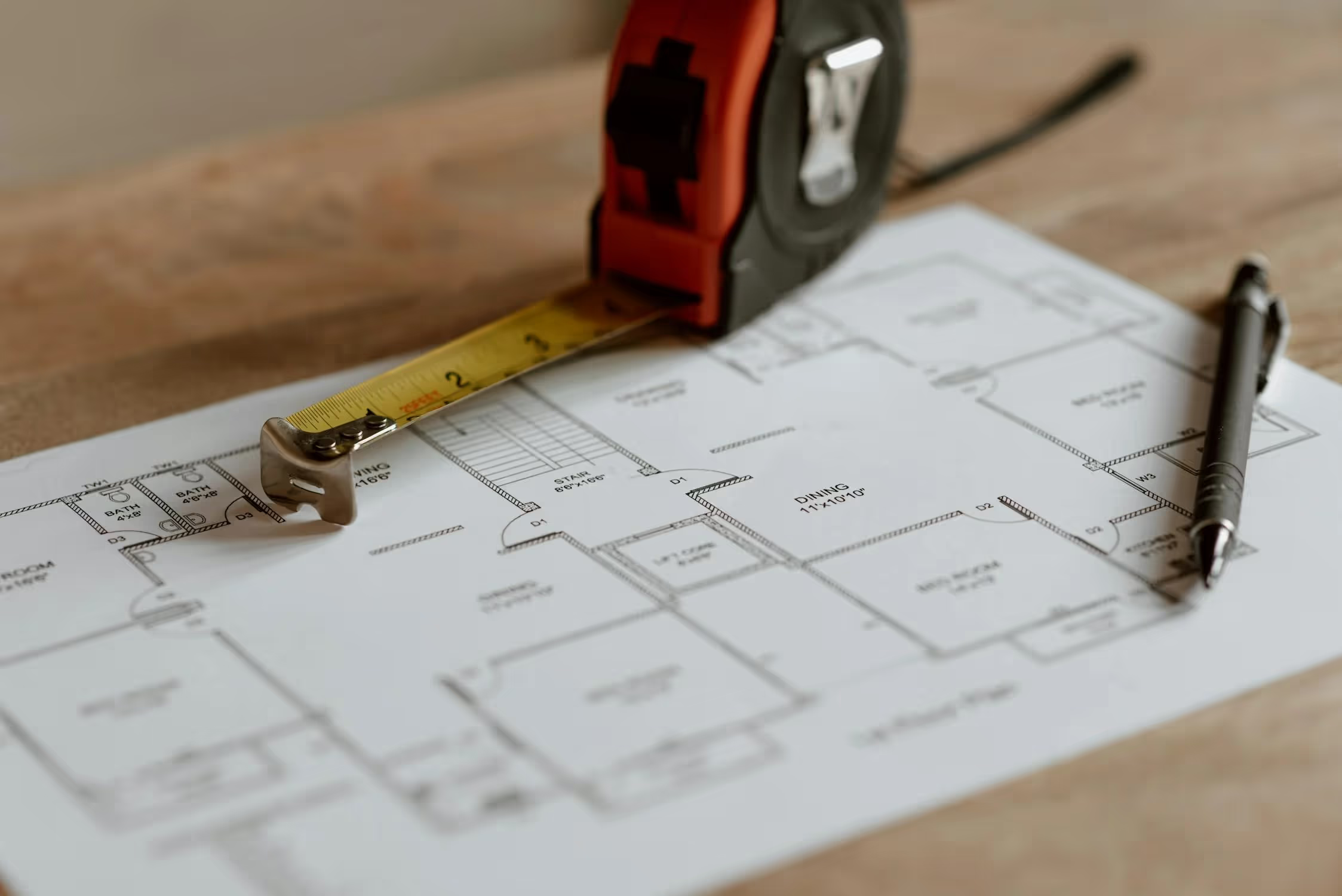
We review the site layout, access points, exposure, and underground utility locations marked through 811.
Installation & Access Setup
Fencing, gates, and screens are used to control access. They also support job-site safety.

Adjustments & Final Removal
Fencing is adjusted as construction phases change and is removed when perimeter control is no longer needed.
Temporary fencing supports safety and access control during active construction phases. This service is a good fit if your site is actively under construction, access needs to be controlled short-term, the fence will be removed after project completion, work occurs in phases that may change, and site safety aligns with OSHA guidance.
You may need a different solution if the property is fully operational, long-term perimeter control is required, the fence must remain in place indefinitely, ongoing facility or asset security is needed for an operational site, or a permanent appearance is required.
Temporary and construction fencing is designed for use on active job sites and during various project phases. It is not meant for permanent perimeter fencing.

Warranty & Responsibility Note: Temporary construction fencing is designed for short-term use and should be checked regularly during active construction to maintain stability and safety.
South Jersey jobsites, phased builds, public exposure, and active inspections are handled daily.
Tri-State Fence & Deck operates under NJ License #13VH13604500.
Installations, adjustments, and removals coordinated to match active project timelines.
Repeat commercial clients rely on consistent execution, not rotating subcontractor crews.

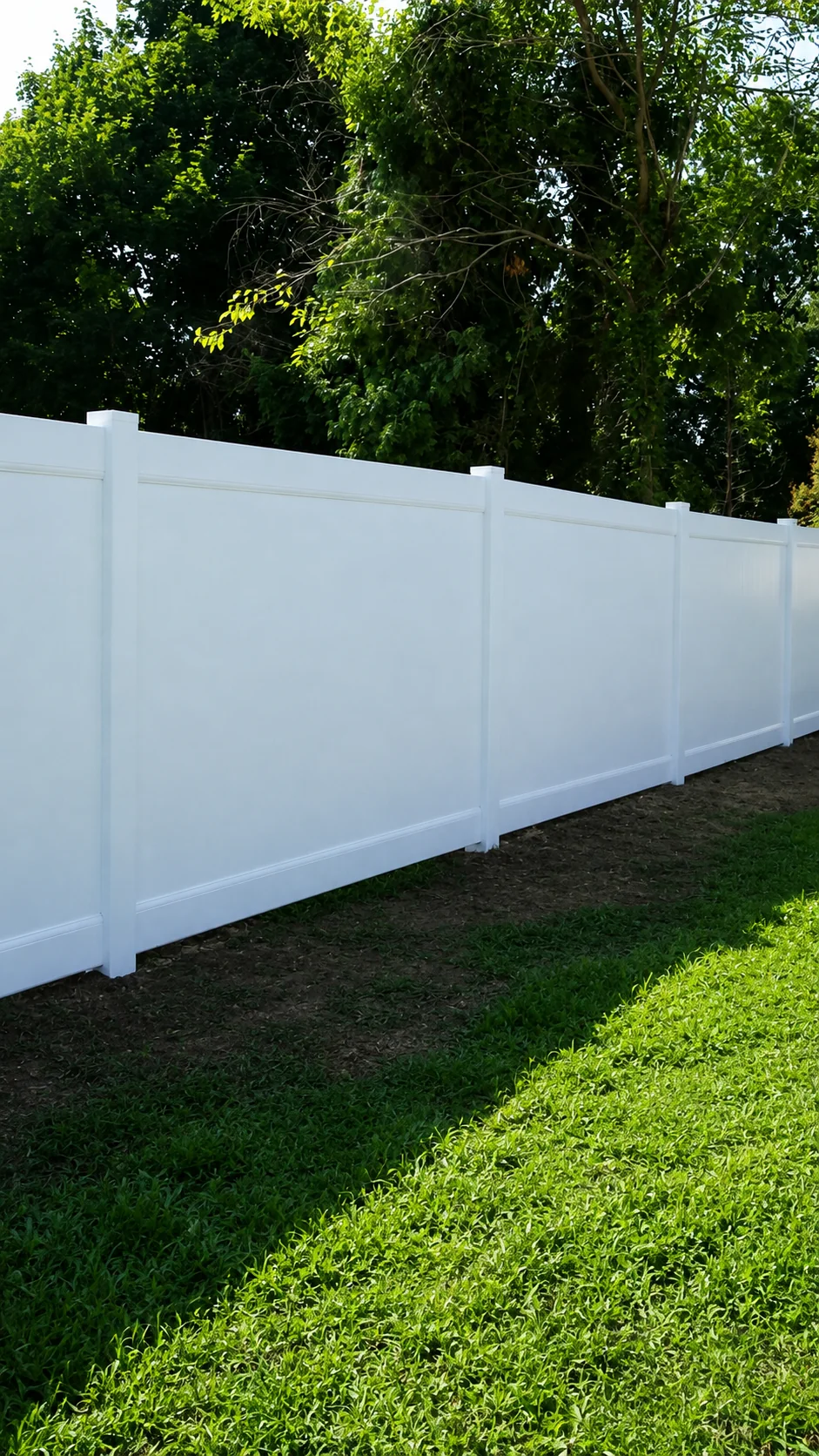
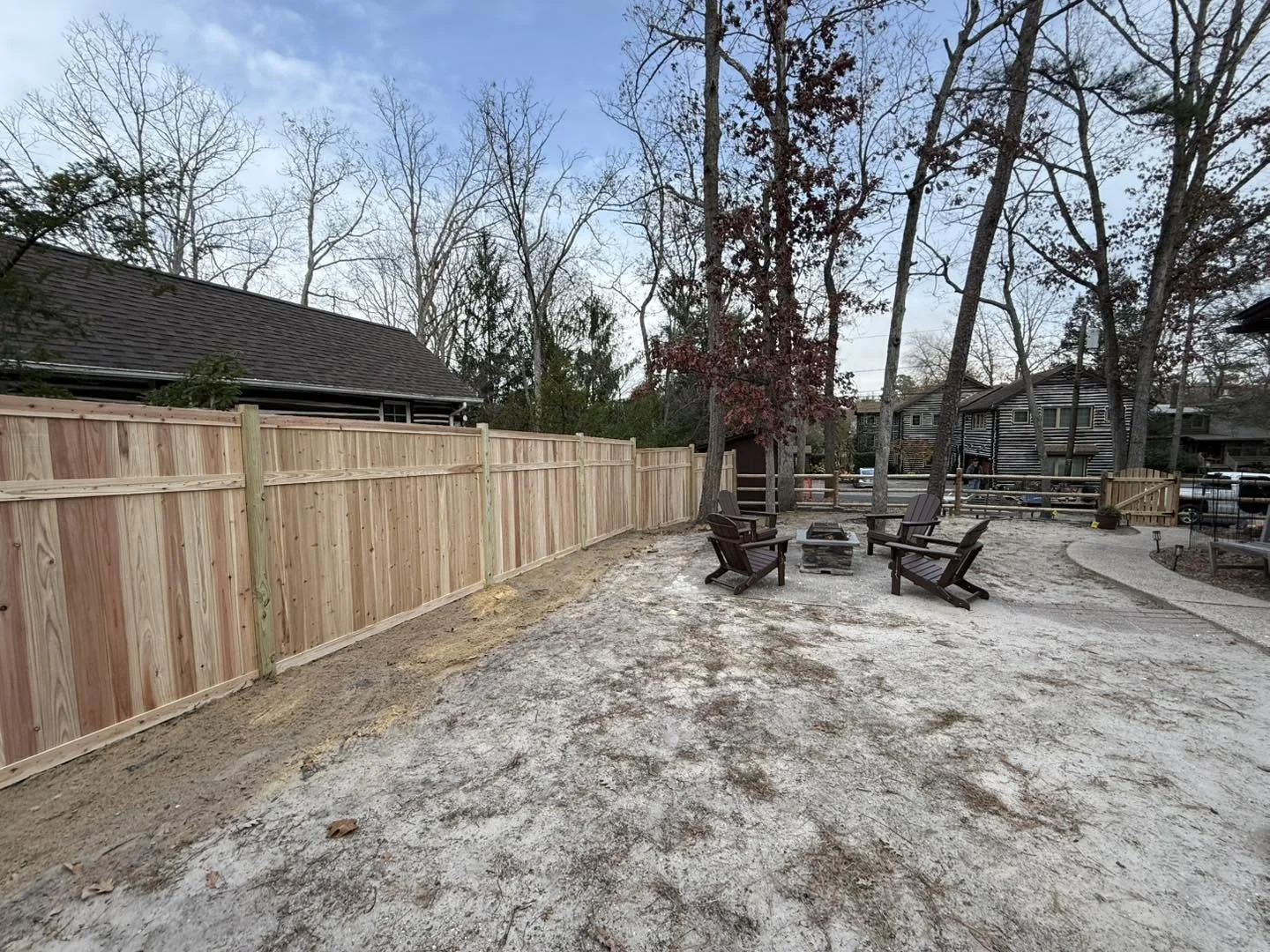
Our project galleries and reviews show what matters on construction sites: clear coordination, stable perimeter control, and fencing that works well through every phase of the build. These installs reflect real conditions—public access areas, shifting layouts, and inspection-ready setups. We manage them from installation through final removal across South Jersey.

What Commercial Clients See in the Final Install
We install commercial security and perimeter fencing on busy business properties throughout South Jersey. Our projects address real situations, including public areas and shared-access spaces. Each perimeter provides clear boundaries, reliable access control, and lasting performance once the site is in use.
If you’re planning or managing a construction project, our team will review site conditions and access needs. We’ll also check timelines. Then, we’ll provide a clear estimate for temporary fencing installation, adjustments, and removal.